

Principle and Working Scene Characteristics of Sanding Powder Pneumatic Conveying
Sanding powder, a critical material in surface finishing processes, requires efficient and reliable transport methods to ensure optimal performance in industrial applications. Pneumatic conveying, a technology that uses air pressure to move powders and granules, has become a preferred solution for sanding powder handling due to its ability to maintain material integrity and minimize contamination. This article explores the fundamental principles behind sanding powder pneumatic conveying and highlights key working scene characteristics that define its application in various industrial settings.
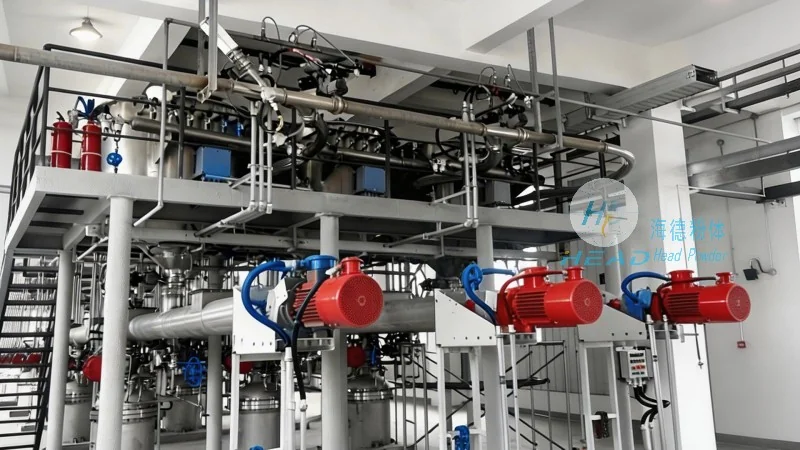
The Core Principle of Pneumatic Conveying for Sanding Powder
The fundamental principle of pneumatic conveying involves the use of air flow to transport sanding powder from a source to a destination. This process typically operates under either positive pressure (pressure conveying) or negative pressure (vacuum conveying), depending on the system design and operational requirements. In pressure conveying systems, air is compressed and forced through a pipeline, carrying the sanding powder particles along with it. Conversely, vacuum conveying systems create a low-pressure zone that draws the powder into the pipeline using a vacuum pump. For sanding powder, which is often fine and abrasive, the choice of conveying method is crucial to prevent particle degradation or clogging of the system components.
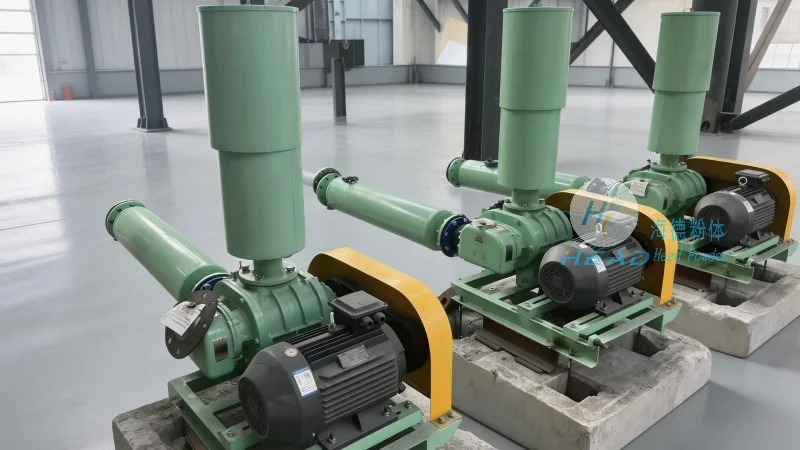
Key Working Scene Characteristics of Sanding Powder Pneumatic Conveying
The effectiveness of sanding powder pneumatic conveying is influenced by several working scene characteristics that must be considered for optimal system performance. First, the particle size and density of the sanding powder play a significant role. Fine particles, such as those used in high-precision surface finishing, may require higher air velocities to maintain suspension and prevent deposition. Additionally, the moisture content of the powder can affect the conveying efficiency; excessive moisture can lead to clumping, which hinders smooth transport. Second, the system layout and distance between the source and destination are critical factors. Longer conveying distances may necessitate additional air boosters or larger diameter pipelines to maintain sufficient air pressure and prevent material settling. Third, the environmental conditions, such as temperature and humidity, can impact the performance of the conveying system. For example, high humidity can cause the sanding powder to absorb moisture, altering its flow properties and potentially leading to blockages. Finally, the operational requirements, including the required flow rate and system reliability, dictate the choice of equipment and control mechanisms. These characteristics collectively determine the suitability of pneumatic conveying for specific sanding powder applications.
Applications and Industry Integration
Sanding powder pneumatic conveying systems are widely used in various industries, including automotive manufacturing, aerospace, and furniture production, where surface finishing is a critical step in the production process. In automotive manufacturing, for instance, sanding powder is used to smooth and prepare metal surfaces before painting, and pneumatic conveying ensures that the powder is delivered to the sanding stations efficiently and without contamination. The aerospace industry also relies on pneumatic conveying for sanding powder in the production of aircraft components, where precision and quality are paramount. Similarly, in the furniture industry, sanding powder is used to achieve a smooth finish on wooden surfaces, and pneumatic conveying systems help maintain consistent quality across production lines. The versatility of pneumatic conveying makes it an ideal solution for these applications, as it can handle different types of sanding powders and adapt to varying production demands.
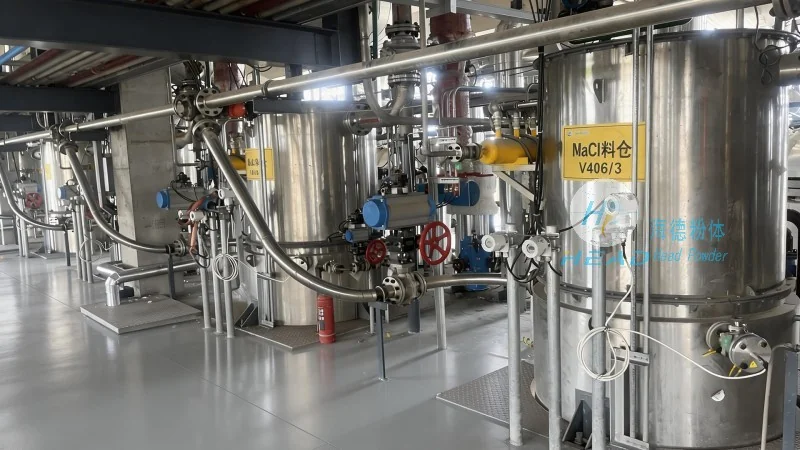
Company Profile: Shandong HeadPowder Engineering Co., Ltd.
Shandong HeadPowder Engineering Co., Ltd., commonly known as headpowder, is a leading provider of pneumatic conveying solutions tailored for sanding powder applications. With its headquarters in Shandong, China, the company specializes in designing, manufacturing, and implementing efficient sanding powder handling systems that meet the stringent requirements of modern industrial processes. headpowder’s expertise lies in understanding the unique properties of sanding powder and developing customized pneumatic conveying systems that optimize material transport while minimizing operational costs. The company’s commitment to quality and innovation has made it a trusted partner for businesses seeking reliable and efficient sanding powder handling solutions. By leveraging advanced technology and a deep understanding of industrial processes, headpowder ensures that its customers receive systems that are tailored to their specific needs, enhancing productivity and maintaining product quality.