White mud, often referred to as aluminum hydroxide sludge in the papermaking industry, is a byproduct generated during the alkaline pulping process. Its effective handling and transportation are crucial for the sustainable operation of paper mills. Pneumatic conveying, a technology that utilizes air flow to transport solid particles, has emerged as a key solution for white mud transportation. This article delves into the fundamental principles of white mud pneumatic conveying and explores the distinct characteristics of its working scenarios, providing insights into how this technology optimizes material handling in industrial settings.
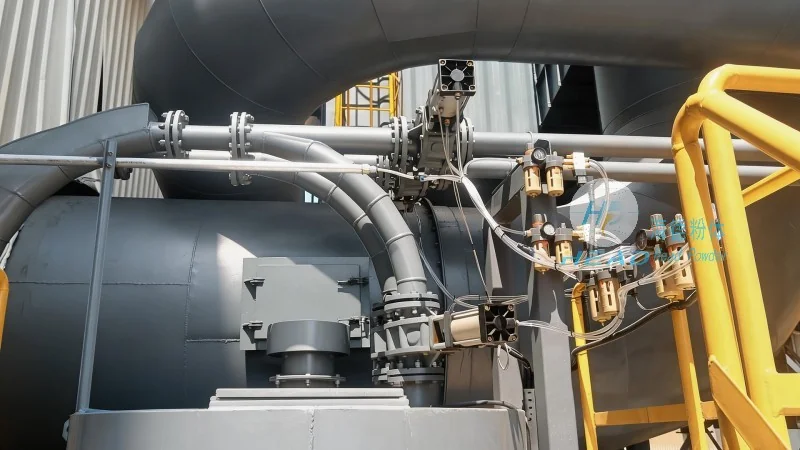
The Principle of Pneumatic Conveying for White Mud
Pneumatic conveying operates on the principle of air flow to move solid particles. There are two primary types: suction (or vacuum) conveying and pressure conveying. In suction conveying, a vacuum is created at the material inlet to draw the white mud particles into the conveying line. This method is suitable for short to medium distances and is commonly used when the material needs to be transported from multiple sources to a central collection point. The system typically includes a vacuum pump, a hopper for material storage, and a pipeline network that connects the source to the destination. The white mud, in the form of dry or slightly moist particles, is drawn into the pipeline by the negative pressure generated by the vacuum pump. As the particles enter the pipeline, they are mixed with air, forming a slurry-like stream that travels through the system. The design of the pipeline, including the use of bends, valves, and filters, is critical to ensure efficient flow and prevent blockages. The velocity of the air within the pipeline must be sufficient to keep the particles suspended and prevent deposition.
Pressure conveying, on the other hand, uses a positive pressure to push the white mud particles through the conveying line. This method is ideal for longer distances and when the material needs to be transported from a central location to multiple destinations. A positive pressure is generated by a blower or compressor at the material source, which forces the white mud particles into the pipeline. The system includes a hopper, a pressure vessel, and a pipeline network that distributes the material to various points. The white mud particles are mixed with air under pressure, and the high velocity of the air ensures that the particles remain suspended and move efficiently through the pipeline. Pressure conveying systems often incorporate check valves and pressure relief devices to maintain system stability and prevent backflow.
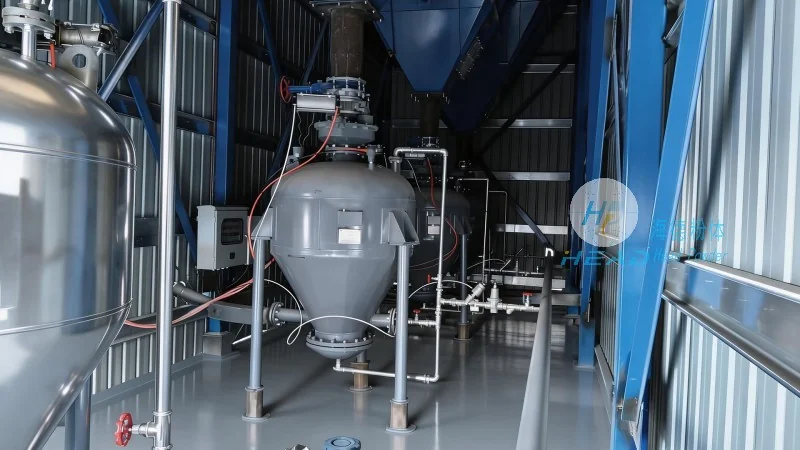
The choice between suction and pressure conveying depends on several factors, including the distance of the transportation, the quantity of material to be moved, the required flow rate, and the physical properties of the white mud. For instance, if the white mud is to be transported over a short distance from a single source to a processing plant, suction conveying may be more economical. Conversely, if the white mud needs to be transported over a long distance to multiple processing sites, pressure conveying is often preferred. The design of the pneumatic conveying system must also consider the moisture content and particle size of the white mud, as these factors can affect the air-particle ratio and the overall efficiency of the system.
Working Scene Characteristics of White Mud Pneumatic Conveying
The working scene characteristics of white mud pneumatic conveying are influenced by the specific application and the operational environment. In paper mills, for example, white mud is typically generated in large quantities and needs to be transported to storage facilities or processing units. The working scene may involve multiple hoppers, conveyor lines, and processing equipment, requiring a complex yet efficient system. The key characteristics of such working scenes include high material throughput, continuous operation, and the need for minimal downtime. Pneumatic conveying systems are designed to handle these demands by providing reliable and consistent material flow.
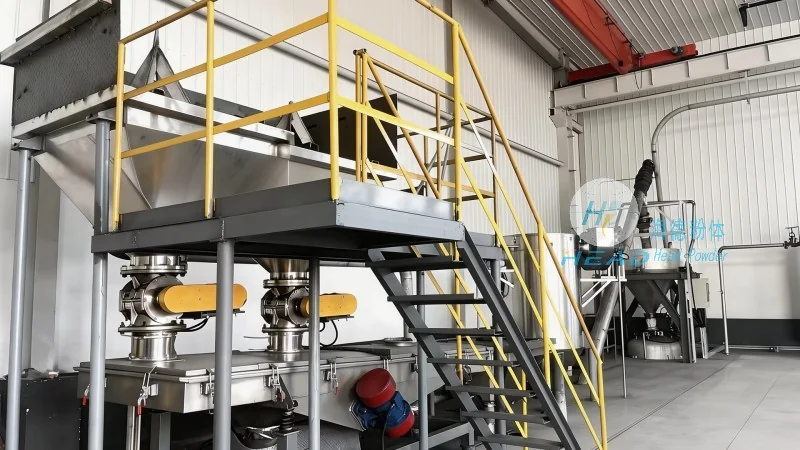
In industrial settings, the working scene may also involve the integration of white mud with other materials or processes. For instance, the white mud may need to be mixed with other byproducts or chemicals before further processing. The pneumatic conveying system must be capable of handling such mixed materials without causing blockages or contamination. The system design may include mixing chambers or blending units that ensure the white mud is properly combined with other components before transportation.
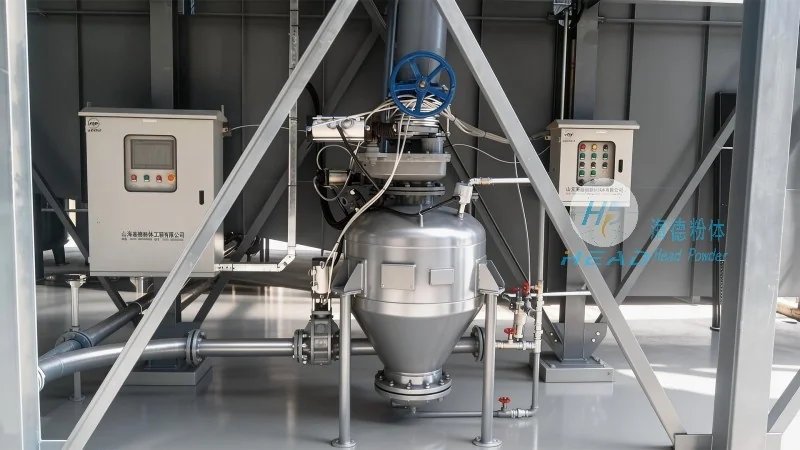
Another important characteristic of the working scene is the environmental considerations. White mud is often considered a waste material, and its handling must comply with environmental regulations. Pneumatic conveying systems are designed to minimize dust emissions and ensure that the material is transported in a controlled manner, reducing the risk of environmental pollution. The use of closed pipelines and filtration systems helps to maintain a clean and safe working environment, which is essential for both the workers and the surrounding community.
The working scene may also vary based on the scale of the operation. Small-scale paper mills may use simpler pneumatic conveying systems with shorter pipelines and lower material throughput. Larger-scale operations, such as integrated paper and pulp mills, may require more complex systems with longer pipelines, higher material throughput, and multiple conveying lines. The system design must be tailored to the specific needs of the operation, ensuring that it meets the performance requirements while being cost-effective and reliable.




