

Principle and Working Scene Characteristics of PVC Powder Pneumatic Conveying
HeadPowder, a leading provider in the field of material handling solutions, specializes in the design and implementation of efficient pneumatic conveying systems for PVC powders. This article delves into the fundamental principles of PVC powder pneumatic conveying and explores the key characteristics of its working scenarios, offering insights into how these systems enhance operational efficiency in various industrial applications.
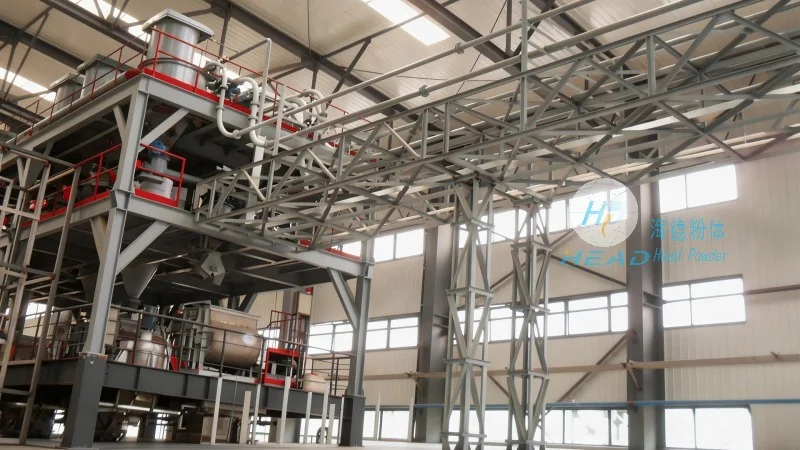
Understanding the Principle of PVC Powder Pneumatic Conveying
PVC powder pneumatic conveying operates on the principle of transporting solid particles, such as PVC powders, through a pipeline using a gas stream, typically air. The process involves creating a flow of air that carries the powder particles, enabling them to be moved from one location to another without the need for mechanical components like belts or buckets. There are two primary methods of pneumatic conveying: pressure and suction. Pressure systems use a positive pressure to push the material through the pipeline, while suction systems employ a negative pressure to draw the material into the system.
In the case of PVC powder, the choice of conveying method depends on factors like the material's properties, the distance to be covered, and the desired system efficiency. For instance, pressure systems are often preferred for long-distance or high-volume conveying, as they can maintain consistent flow rates and handle a wide range of particle sizes. Suction systems, on the other hand, are suitable for shorter distances or when the material needs to be collected from multiple sources. The core of the system involves a conveying line, a source of air (usually a blower or compressor), and a receiver where the material is deposited. The air flow is controlled to ensure the powder particles are suspended and transported effectively, preventing blockages and maintaining system integrity.
Key Working Scene Characteristics of PVC Powder Pneumatic Conveying
The working scene characteristics of PVC powder pneumatic conveying systems are tailored to meet the specific demands of industrial environments. These systems are designed to handle the unique properties of PVC powders, which include their fine particle size, potential for static charge, and sensitivity to moisture. The characteristics of the working scenes include:
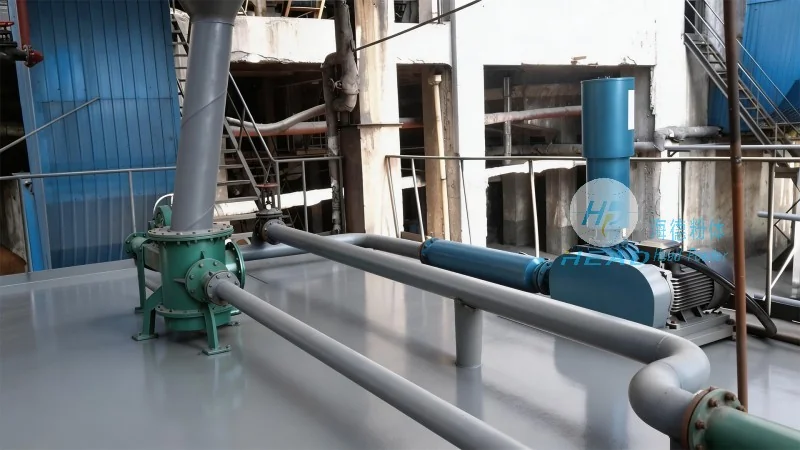
1. Material Handling Efficiency: Pneumatic conveying systems offer high efficiency in transporting PVC powders, as they can move large quantities of material quickly and with minimal labor. This is particularly beneficial in manufacturing processes where continuous material flow is essential for production continuity. The ability to convey materials directly from storage silos to processing equipment reduces downtime and improves overall productivity.
2. Space Optimization: Unlike traditional mechanical conveying systems, pneumatic conveying requires less floor space and can be installed in confined areas. This makes it ideal for facilities with limited space, allowing for flexible system layouts that adapt to changing production needs. The compact design of pneumatic conveying systems also contributes to easier maintenance and access to components.
3. Material Protection: PVC powders are often sensitive to contamination and degradation. Pneumatic conveying systems provide a closed environment, protecting the material from external factors such as dust, moisture, and air pollutants. This is crucial for maintaining the quality of the PVC powder, which is critical for downstream applications like plastic manufacturing. The sealed system also helps in controlling dust emissions, enhancing workplace safety and compliance with environmental regulations.
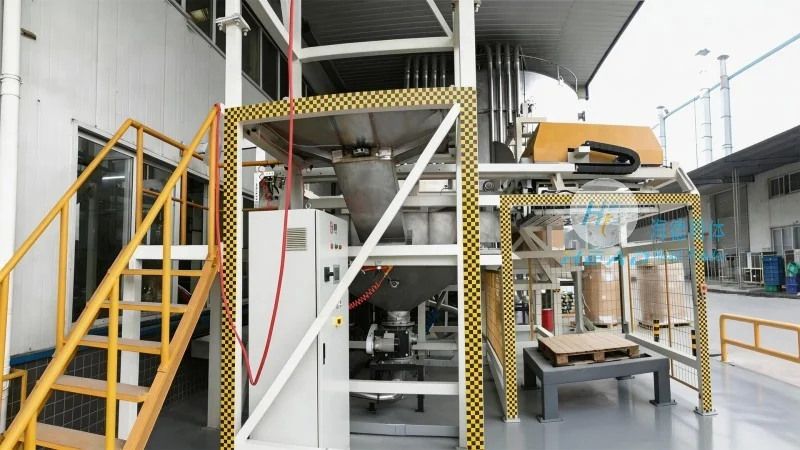
4. Customization and Flexibility: The working scene characteristics of pneumatic conveying systems are highly customizable to suit different industrial requirements. Systems can be designed to handle varying particle sizes, flow rates, and distances, making them adaptable to diverse production processes. For example, in the PVC industry, these systems can be integrated with other equipment such as mixers, extruders, and granulators to form a complete production line. The flexibility of the system allows for easy integration with existing infrastructure, reducing the need for major facility modifications.
Application Scenarios in Industrial Settings
HeadPowder's pneumatic conveying solutions for PVC powders are widely applied in various industrial settings, each with its own unique operational requirements. The following scenarios illustrate the practical application of these systems:
1. Manufacturing Plants: In PVC manufacturing plants, pneumatic conveying systems are used to transport raw PVC powders from storage silos to processing equipment such as mixers and extruders. The systems ensure a continuous and controlled flow of material, which is essential for maintaining consistent product quality. For instance, in the production of PVC pipes or sheets, the efficient transport of powders reduces the risk of material degradation and improves the overall efficiency of the production line.
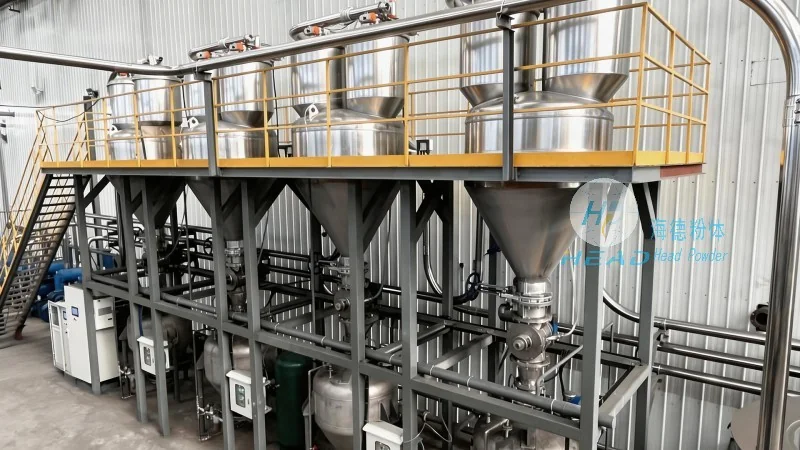
2. Chemical Processing Facilities: Chemical processing facilities that handle PVC powders require systems that can manage the material's sensitivity to moisture and static charge. Pneumatic conveying systems provide a controlled environment that minimizes exposure to external factors, ensuring the material remains in optimal condition. These systems are often integrated with drying and mixing equipment to prepare the PVC powder for further processing, such as compounding or granulation.
3. Pharmaceutical and Food Processing: Although less common for PVC powders, pneumatic conveying systems are also used in industries where material handling requires high standards of cleanliness and safety. The sealed design of the system prevents contamination and ensures that the material is handled in a hygienic manner. This is particularly important in facilities where product purity is critical, as any contamination can lead to product recalls or regulatory issues.
Conclusion
PVC powder pneumatic conveying is a highly effective method for transporting PVC powders in industrial settings, offering advantages such as efficiency, space optimization, and material protection. The working scene characteristics of these systems are tailored to meet the specific needs of different applications, making them a versatile solution for material handling. As a leading provider, Shandong HeadPowder Engineering Co., Ltd. specializes in designing and implementing customized pneumatic conveying systems that enhance operational efficiency and ensure the quality of PVC powders in various industrial processes.