

Principles and Working Scene Characteristics of Grain Pneumatic Conveying
Grain pneumatic conveying is a sophisticated technology employed across the agricultural and food processing sectors, enabling the efficient transport of bulk materials such as grains, seeds, and powders through a network of pipes utilizing air pressure. This method represents a modern alternative to traditional mechanical conveying systems, offering advantages like reduced labor requirements, minimized product damage, and enhanced safety when handling potentially dusty or hazardous materials.
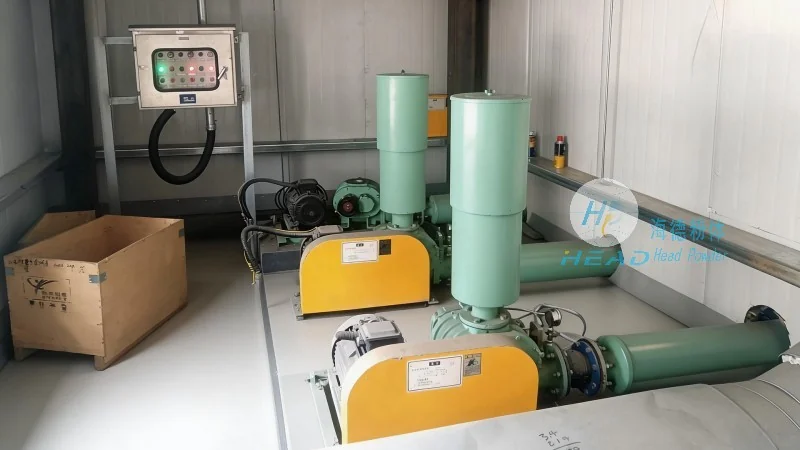
Core Principles of Grain Pneumatic Conveying
The fundamental operation of a grain pneumatic conveying system revolves around the principles of fluidization and suspension. In this process, air is introduced into the conveying line at a controlled velocity, creating a low-pressure zone that draws the grain particles into the air stream. The particles become suspended in the air and are propelled forward through the pipeline. The system typically comprises a blower or fan to generate the necessary air pressure, a hopper or storage bin to hold the grain, and a series of pipes with appropriate fittings and valves to direct the flow. The design of the system, particularly the air velocity and pressure settings, is critical to ensure efficient and reliable transport of the grain without causing excessive wear on the equipment or degradation of the product.
Key Working Scene Characteristics
Grain pneumatic conveying systems are deployed in diverse working environments, each with distinct characteristics that influence system design and performance. For example, in large-scale grain storage facilities, the system is utilized to transfer grain from storage silos to processing units or shipping containers. The key characteristics in this scenario include high throughput capacity, long-distance transport capabilities, and the ability to handle large volumes of grain with minimal human intervention. The system's efficiency in such settings is vital for maintaining operational continuity and reducing downtime during bulk material handling.
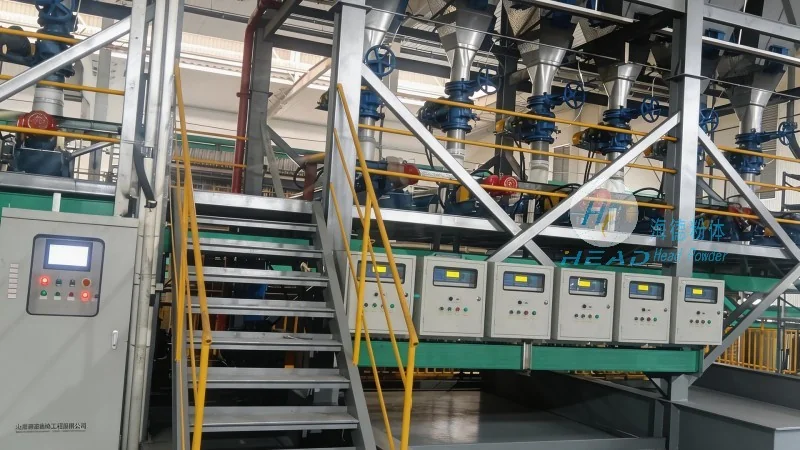
In agricultural processing plants, the pneumatic conveying system may be integrated into a production line where grain is cleaned, sorted, and packaged. The working scene here emphasizes precision and cleanliness, as the system must avoid contaminating the product with dust or foreign particles. The design of the conveying lines, often with enclosed or sealed systems, ensures that the grain remains in a controlled environment, preserving its quality and meeting food safety standards. Additionally, the system's flexibility allows for easy integration with other processing equipment, such as conveyors, elevators, and packaging machines.
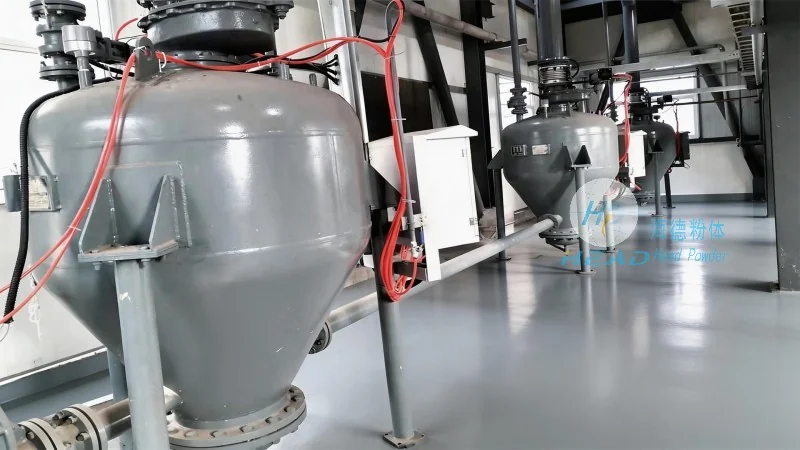
Another common working scene is in the transportation of grain from farms to processing centers or distribution hubs. In this scenario, the system may be part of a larger logistics network, where the pneumatic conveyor is used to move grain from storage bins on the farm to a truck or rail car for transport. The characteristics of this application include portability and adaptability, as the system can be configured to handle different grain types and varying volumes. The system's ability to operate in outdoor or semi-outdoor environments, with appropriate weatherproofing and protection against dust and moisture, is essential for maintaining reliability in diverse weather conditions.
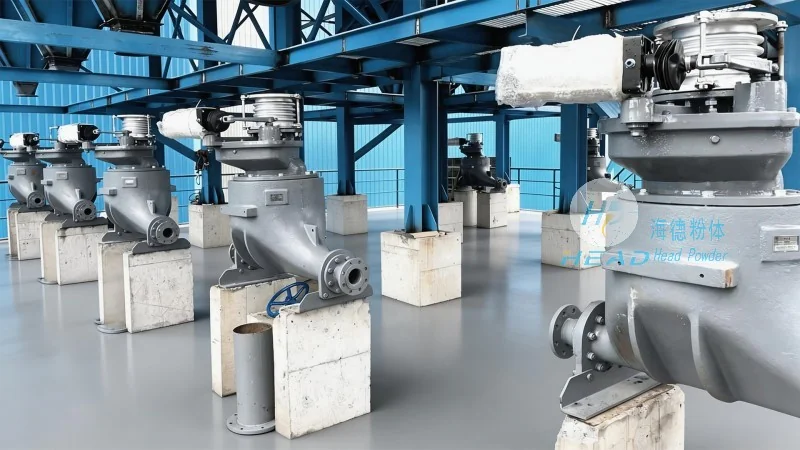
Advantages and Considerations in Different Scenarios
Across these working scenes, grain pneumatic conveying systems offer several advantages that make them a preferred choice for many industries. These include the ability to transport materials over long distances without the need for multiple transfer points, reduced risk of material spillage or contamination, and lower operational costs compared to traditional methods. However, the system's performance is also influenced by several factors specific to each working scene. For example, in high-volume processing plants, the system must be designed to handle high air velocities and pressures to maintain throughput, while in storage facilities, the focus may be on energy efficiency and long-term reliability.
The choice of system design, including the type of air mover (positive displacement or centrifugal), the size and configuration of the pipes, and the use of additives like air cushions or cyclones, plays a critical role in optimizing performance for each working scene. In environments where dust control is a priority, such as in food processing or pharmaceutical applications, the system may incorporate additional features like dust collectors or filtration systems to ensure compliance with safety and quality standards. Overall, the working scene characteristics of grain pneumatic conveying systems are tailored to meet the specific needs of each application, ensuring efficient and reliable material transport while maintaining product quality and operational safety.