

Preventing Dust Leakage in Pneumatic Conveying Systems for Silicate Transport
When it comes to transporting silicates using pneumatic conveying systems, managing dust leakage is a critical concern for industries that rely on these processes. Silicates, such as silica, kaolin, and other mineral-based materials, often present unique challenges due to their fine particle size and tendency to generate dust during handling. Effective dust control not only ensures compliance with environmental regulations but also protects equipment and worker health. This article explores the strategies and solutions implemented by Shandong HeadPowder Engineering Co., Ltd. to prevent dust leakage in pneumatic conveying systems during silicate transport.
Understanding the Challenges of Silicate Transport in Pneumatic Systems
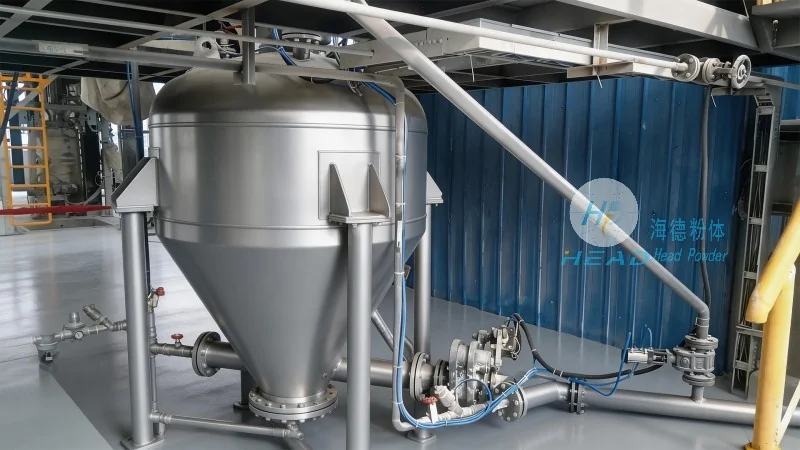
Silicates are widely used in various industries, including ceramics, glass, and chemical manufacturing. Their application requires efficient and safe material handling. Pneumatic conveying systems offer advantages like flexibility and the ability to transport materials over long distances without the need for complex infrastructure. However, these systems are susceptible to dust leakage at various points, including the hopper, transfer points, and discharge areas. The fine nature of silicate particles makes them prone to becoming airborne, leading to operational inefficiencies and health hazards. Therefore, implementing robust dust control measures is essential for maintaining system performance and adhering to safety standards.
Key Factors Contributing to Dust Leakage in Silicate Conveying
Several factors contribute to dust leakage in pneumatic conveying systems when handling silicates. First, the material's inherent properties, such as low bulk density and high fineness, increase the risk of particle dispersion. Second, the design of the conveying system, including the type of hopper and the placement of seals, plays a significant role. Inadequate sealing or improper material flow can lead to air leakage and dust escape. Third, operational parameters like pressure and flow rate affect the system's ability to contain particles. High pressure can cause pressure differentials that exacerbate dust leakage, while improper flow rates may lead to material buildup and blockages, creating opportunities for dust to escape. Lastly, the wear and tear of components over time can compromise the integrity of seals and joints, further increasing the risk of dust leakage.
Shandong HeadPowder Engineering Co., Ltd.'s Solutions for Dust Control
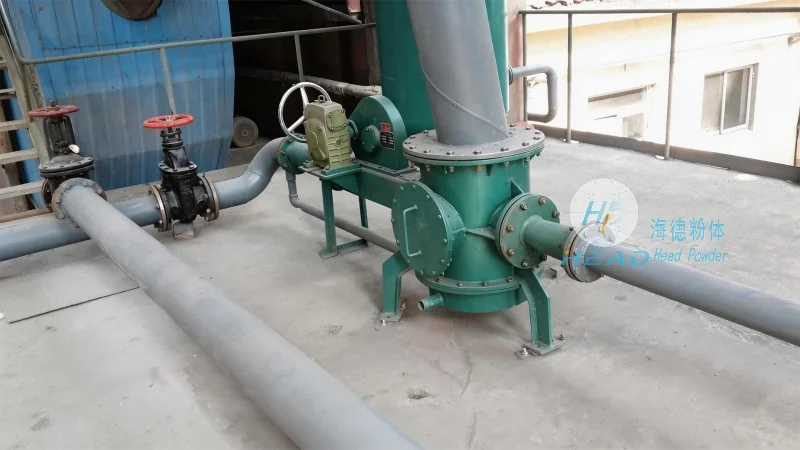
Shandong HeadPowder Engineering Co., Ltd., a leading provider of pneumatic conveying solutions, offers comprehensive strategies to prevent dust leakage in silicate transport. The company specializes in designing and manufacturing custom pneumatic conveying systems tailored to the specific needs of silicate handling. Their approach focuses on integrating advanced sealing technologies and material handling components to minimize dust generation and containment. One of the primary solutions is the use of high-quality, airtight hoppers equipped with specialized seals. These hoppers are designed to maintain a consistent pressure differential, preventing air from escaping and silicate particles from entering the environment. Additionally, the company employs advanced filter systems and dust collection units that capture any airborne particles, ensuring compliance with environmental regulations and maintaining a safe working environment.
Advanced Sealing Technologies for Pneumatic Conveying Systems
Sealing is a critical component in preventing dust leakage in pneumatic conveying systems. Shandong HeadPowder Engineering Co., Ltd. utilizes advanced sealing technologies, such as dynamic and static seals, to ensure tight connections at all points of material transfer. Dynamic seals, which move with the system, are particularly effective in preventing dust leakage at transfer points and discharge valves. These seals are designed to maintain a consistent seal pressure, even under varying operational conditions. Static seals, on the other hand, are used in areas where movement is minimal, such as the hopper and system connections. The company also incorporates flexible sealing materials that can accommodate thermal expansion and material abrasion, ensuring long-term effectiveness. By integrating these advanced sealing solutions, the company ensures that the pneumatic conveying system remains airtight, minimizing the risk of dust leakage.
Optimizing Material Flow and Pressure Management
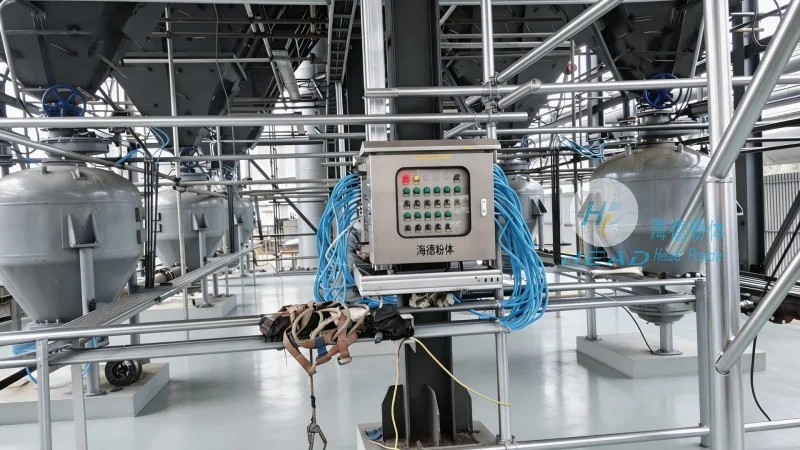
Effective dust control also relies on optimizing material flow and pressure management within the pneumatic conveying system. Shandong HeadPowder Engineering Co., Ltd. employs sophisticated control systems that monitor and adjust pressure and flow rates in real-time. These systems help maintain a stable pressure differential, preventing excessive air leakage and reducing the likelihood of dust escape. The company also recommends using appropriate material feeders and conveyors that minimize the impact of material on the system's components. For example, using rotary valves or star feeders can help control the flow of silicate particles, reducing the risk of blockages and dust generation. Additionally, the company suggests regular maintenance and inspection of the system to identify and address any issues that may lead to dust leakage. By optimizing flow and pressure management, the company ensures that the pneumatic conveying system operates efficiently and safely.
Environmental and Operational Benefits of Effective Dust Control
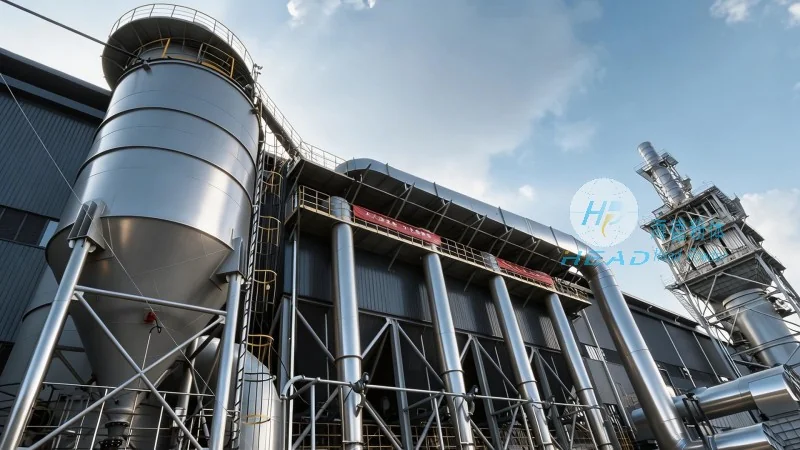
Implementing effective dust control measures in pneumatic conveying systems for silicate transport offers numerous benefits. Environmentally, it helps reduce the release of fine particles into the atmosphere, improving air quality and reducing the impact on the surrounding environment. This is particularly important for industries operating in areas with strict environmental regulations. Operationally, effective dust control enhances system performance by reducing downtime caused by dust-related issues. It also protects equipment from corrosion and wear, extending the lifespan of the system. Furthermore, it ensures compliance with occupational health and safety standards, protecting workers from respiratory hazards associated with silicate dust. By investing in robust dust control solutions, industries can achieve sustainable and efficient material handling, aligning with both environmental and operational goals.
Conclusion: Ensuring Safe and Efficient Silicate Transport
In conclusion, preventing dust leakage in pneumatic conveying systems when transporting silicates requires a comprehensive approach that addresses material properties, system design, and operational parameters. Shandong HeadPowder Engineering Co., Ltd. provides advanced solutions, including high-quality sealing technologies, optimized material flow management, and effective dust collection systems, to mitigate dust leakage risks. By implementing these strategies, industries can ensure the safe and efficient handling of silicate materials while complying with environmental and safety regulations. The company's expertise in pneumatic conveying systems for silicates makes it a trusted partner for businesses seeking to enhance their material handling processes and minimize dust-related challenges.