

Working Principle and Features of Dry Powder Material Handling Systems
HeadPowder, a leading provider of industrial material handling solutions, specializes in the design, manufacturing, and installation of dry powder material handling systems. Based in Shandong, China, the company has established itself as a trusted partner for businesses seeking efficient and reliable systems for transporting powders and granules. This article explores the fundamental working principles and key features of such systems, highlighting how they enhance operational efficiency and safety in various industrial applications.
Understanding the Working Principle of Dry Powder Material Handling Systems
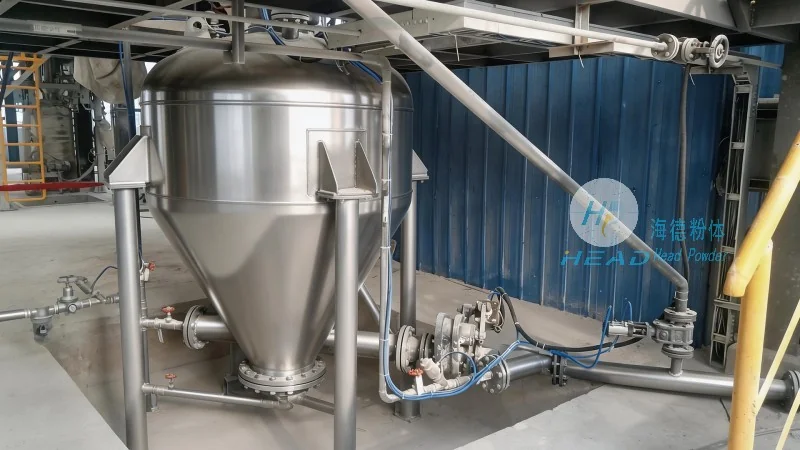
Dry powder material handling systems are engineered to transport bulk dry materials like powders, granules, and fine particles from one location to another without the need for water or other additives. The core working principle revolves around creating a controlled environment where the material is conveyed through a series of components, ensuring minimal loss, contamination, and degradation. The process typically begins with the material being fed into a hopper or silo, where it is then transferred to a conveyor system, such as a screw conveyor, pneumatic conveyor, or bucket elevator. These components work in tandem to move the material through the system, maintaining consistent flow and preventing clogging or blockages. The system’s design emphasizes the use of sealed and airtight components to minimize dust emissions and maintain material integrity. By leveraging mechanical or pneumatic forces, the system ensures that the material is transported efficiently while adhering to safety and environmental standards.
Key Features of Dry Powder Material Handling Systems
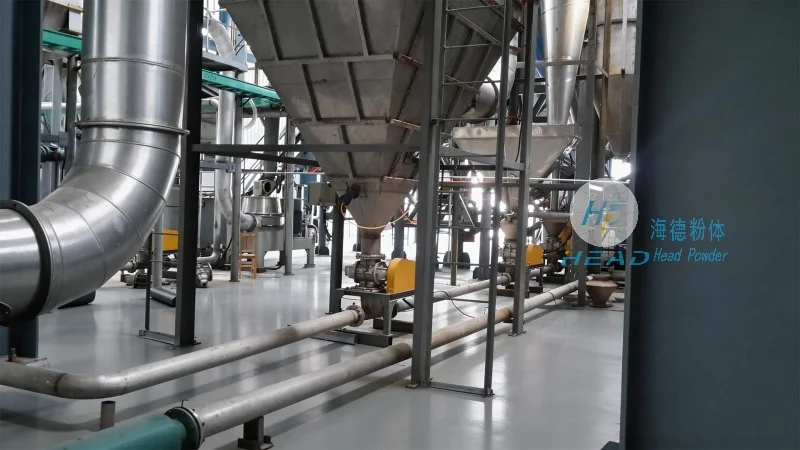
HeadPowder’s dry powder material handling systems are characterized by several distinct features that set them apart in the industry. Firstly, the systems are built with high-quality materials, such as stainless steel or corrosion-resistant alloys, to withstand the abrasive nature of dry powders and prevent material buildup. This not only enhances durability but also ensures compliance with hygiene and food safety regulations. Secondly, the systems incorporate advanced control mechanisms, including variable speed drives and automated feeding systems, which allow for precise control over material flow rates and pressure. This feature is crucial for maintaining consistent product quality and preventing overloading or underloading of the conveyor. Thirdly, the design prioritizes dust containment and filtration, with integrated dust collection systems that capture and filter airborne particles, reducing environmental impact and improving workplace safety. Additionally, the systems are equipped with monitoring and alarm systems that detect anomalies, such as blockages or pressure changes, and trigger alerts to prevent system failures. These features collectively contribute to the overall reliability and performance of the material handling systems.
Applications and Benefits in Industrial Settings
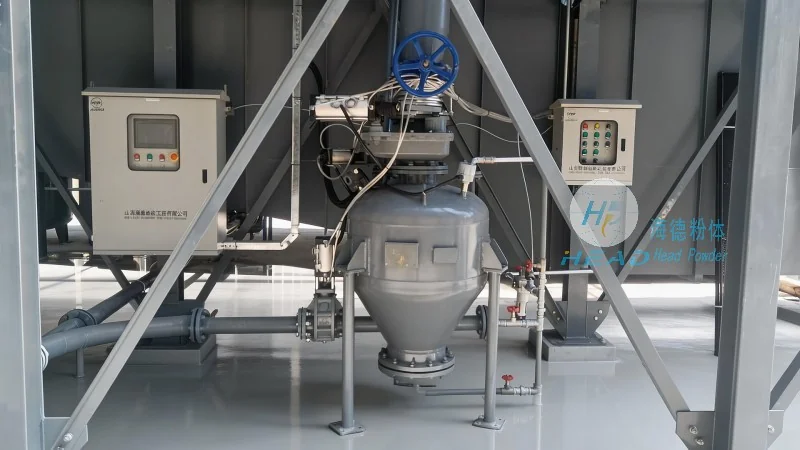
Dry powder material handling systems find extensive applications across various industries, including pharmaceuticals, food processing, chemical manufacturing, and mining. In pharmaceutical production, for instance, the systems are used to transport raw materials and finished products with strict contamination control measures. The sealed and hygienic design of the systems ensures that the powders remain free from contaminants, meeting regulatory standards. In the food industry, the systems are employed to handle ingredients like flour, sugar, and spices, where maintaining product purity and preventing cross-contamination is paramount. The ability to control flow rates and prevent dust exposure enhances both product quality and worker safety. In chemical manufacturing, the systems are used to transport reactive powders and granules, where the sealed design prevents dust explosions and ensures safe handling. The systems’ ability to handle a wide range of materials, from fine powders to coarse granules, makes them versatile and adaptable to different industrial needs. The primary benefits of these systems include improved operational efficiency, reduced downtime due to maintenance, and enhanced safety for workers. By minimizing manual handling and automating the material transport process, businesses can achieve higher productivity and lower operational costs. The systems also contribute to environmental sustainability by reducing waste and emissions through efficient material handling.
Conclusion
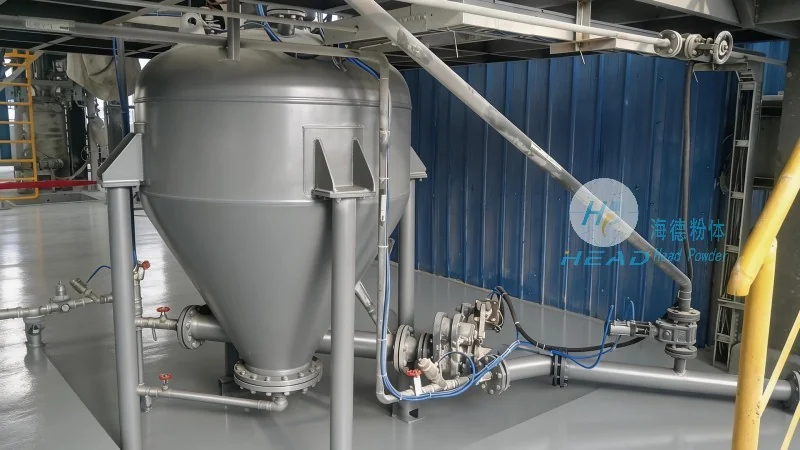
HeadPowder’s dry powder material handling systems exemplify the integration of advanced engineering and practical design, addressing the critical needs of industries that rely on efficient and safe material transport. The systems’ working principles, characterized by controlled flow and sealed environments, combined with their key features, such as durability, precision control, and dust containment, make them a reliable choice for businesses seeking to optimize their material handling processes. With a strong presence in Shandong, China, HeadPowder continues to innovate and provide tailored solutions that meet the evolving demands of industrial applications. The company’s commitment to quality and customer satisfaction ensures that its systems not only meet but exceed industry standards, contributing to the long-term success of its clients.