When it comes to handling fiber materials in industrial settings, selecting the right pneumatic conveying system is crucial for efficiency, reliability, and cost-effectiveness. Fiber materials, such as wood chips, paper pulp, or textile fibers, often present unique challenges due to their physical properties—like high moisture content, tendency to agglomerate, or abrasive nature. A well-designed system not only ensures smooth material transport but also minimizes downtime and maintenance costs. This article outlines key considerations and best practices for designing a pneumatic conveying system tailored to fiber materials, with insights from Shandong HeadPowder Engineering Co., Ltd., a leading provider in the field.
Understanding Fiber Material Characteristics and Their Impact on Conveying
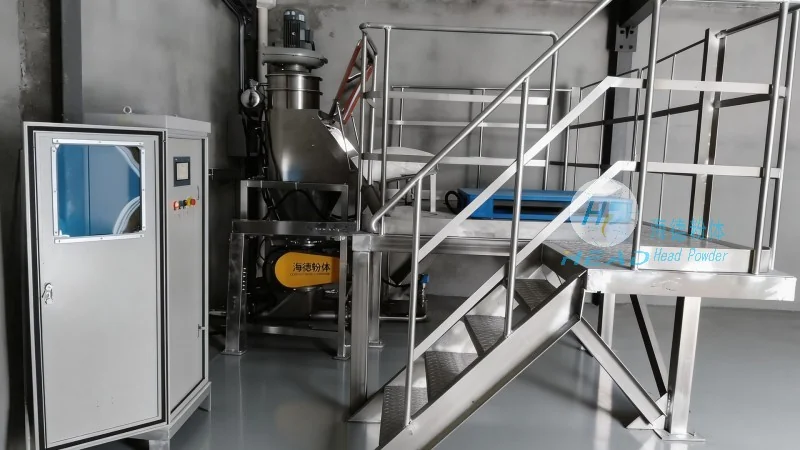
Fiber materials vary widely in terms of size, density, and moisture content, which directly influence the choice of pneumatic conveying technology. For instance, fine fibers may require high-velocity systems to prevent settling, while larger, bulkier fibers might benefit from low-pressure or dense-phase conveying to reduce wear on equipment. The moisture level is another critical factor; higher moisture can lead to caking or blockages, necessitating drying or pre-treatment steps before conveying. Abrasive fibers, common in wood or textile processing, demand materials with high wear resistance, such as stainless steel or specialized coatings, to extend the system's lifespan. By thoroughly analyzing these characteristics, engineers can select the most suitable conveying method—whether it’s dilute-phase, dense-phase, or a hybrid approach—ensuring optimal performance and longevity.
Key Design Considerations for Pneumatic Conveying Systems
The design of a pneumatic conveying system for fiber materials involves several interrelated factors, from the type of air source to the layout of the conveying lines. First, the air source must be capable of delivering sufficient pressure and volume to move the material through the system. Compressors, either positive displacement or centrifugal, are commonly used, with the choice depending on the system's capacity and pressure requirements. For fiber materials, which often have high resistance to flow, a higher air pressure or a larger compressor capacity may be necessary to maintain consistent throughput. Second, the conveying line design is critical. The pipe diameter and material must be selected to accommodate the fiber's size and abrasive properties. Larger diameters reduce friction losses and wear, while materials like stainless steel or PVC are preferred for their durability. The system layout should also minimize bends and changes in direction, as these can cause material buildup or pressure drops. Additionally, the inclusion of features like in-line mixers or agitators can help prevent agglomeration and ensure uniform flow, especially for fibrous materials prone to clumping.
System Components and Their Role in Efficient Fiber Conveying
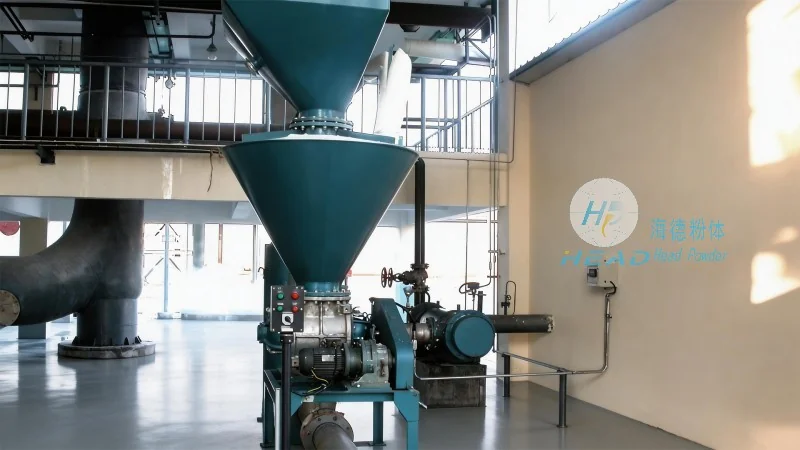
A pneumatic conveying system consists of several key components, each playing a vital role in the overall operation. The air source, as mentioned, provides the necessary pressure to move the material. The hopper or feed hopper is where the fiber material is loaded, and its design must prevent material bridging or caking, which can disrupt the flow. A feeder, such as a rotary valve or a screw feeder, controls the material discharge rate, ensuring a steady supply to the system. The conveying line connects the feed point to the discharge point, with the air and material moving together in a single stream. At the discharge end, a receiver or silo collects the material, and a dust collection system is often integrated to handle any airborne particles, improving safety and environmental compliance. For fiber materials, the receiver may need to be equipped with a venturi or a cyclone to separate the material from the air stream, preventing loss and ensuring clean operation. Each component must be matched to the specific fiber material and system requirements to achieve optimal performance.
Case Study: HeadPowder's Approach to Fiber Material Conveying
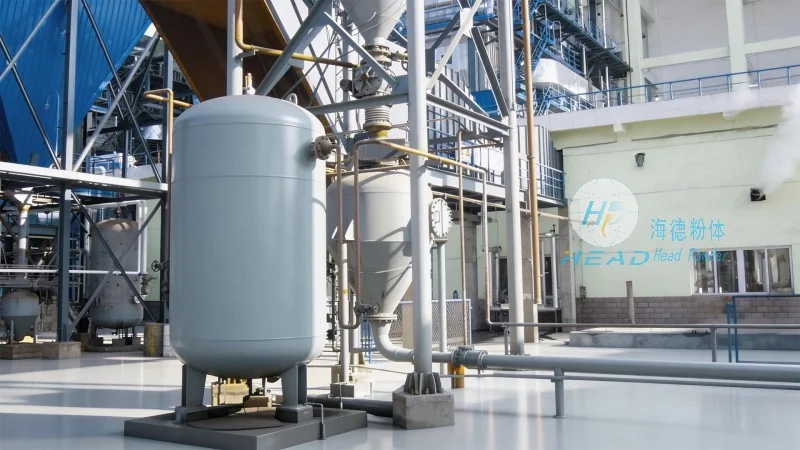
Shandong HeadPowder Engineering Co., Ltd., based in Shandong, China, specializes in designing and manufacturing pneumatic conveying systems tailored to the unique needs of fiber materials. With years of experience in the industry, HeadPowder has developed a comprehensive approach that integrates engineering expertise with practical solutions. For example, when designing a system for wood chip transport, HeadPowder considers the high moisture content and abrasive nature of the material. The system may include a pre-drying step to reduce moisture, followed by a high-pressure, dense-phase conveying line to minimize wear and prevent blockages. The company also emphasizes the importance of regular maintenance and provides technical support to ensure the system operates efficiently over time. By focusing on material-specific solutions, HeadPowder helps clients achieve reliable, cost-effective material handling, reducing downtime and improving overall productivity.
Conclusion: Designing for Long-Term Success
Designing a pneumatic conveying system for fiber materials requires a deep understanding of the material's properties and the system's components. By carefully considering factors such as air source selection, line design, and component integration, engineers can create a system that meets the specific needs of the application. With the expertise of companies like Shandong HeadPowder Engineering Co., Ltd., industrial facilities can achieve efficient, reliable, and cost-effective material transport, ensuring smooth operations and long-term success. Whether handling wood chips, paper pulp, or textile fibers, a well-designed pneumatic conveying system is essential for modern industrial processes.




