Efficient and reliable transportation of sand and soil is a critical aspect of various industrial and construction applications. The choice of conveying method significantly impacts operational efficiency, cost-effectiveness, and environmental considerations. In this article, we explore common sand and soil conveying methods, with a focus on the advantages and applications of pneumatic conveying systems.
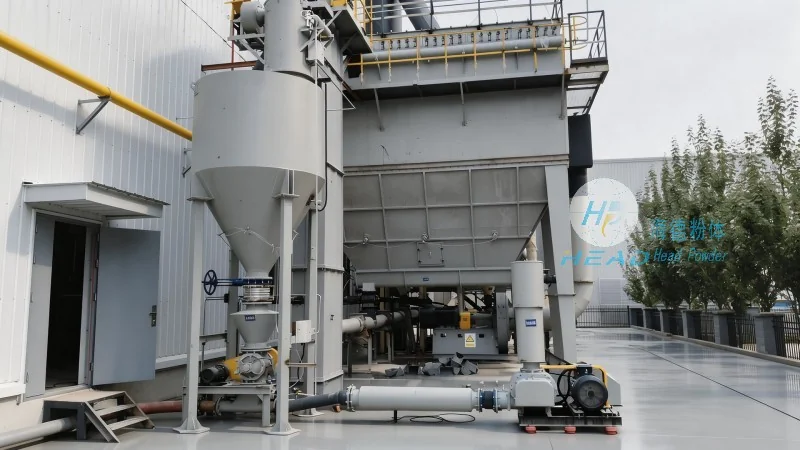
Understanding Sand and Soil Conveying: The Core Challenges
Sand and soil materials are often characterized by their granular nature, varying particle sizes, and sometimes abrasive properties. Traditional bulk material handling methods, such as belt conveyors or bucket elevators, may face challenges in handling these materials due to issues like material buildup, blockages, and wear on equipment components. These challenges highlight the need for specialized conveying solutions that can accommodate the unique characteristics of sand and soil while ensuring smooth and continuous material transport.
Common Conveying Methods for Sand and Soil
Several conventional methods are widely used for transporting sand and soil, each with its own set of advantages and limitations. One of the most common approaches is mechanical conveying, which includes belt conveyors, screw conveyors, and bucket elevators. Belt conveyors are widely used for horizontal or slightly inclined transport, while screw conveyors are effective for vertical or inclined movement. However, these systems may struggle with fine or cohesive materials, leading to increased maintenance and operational issues.
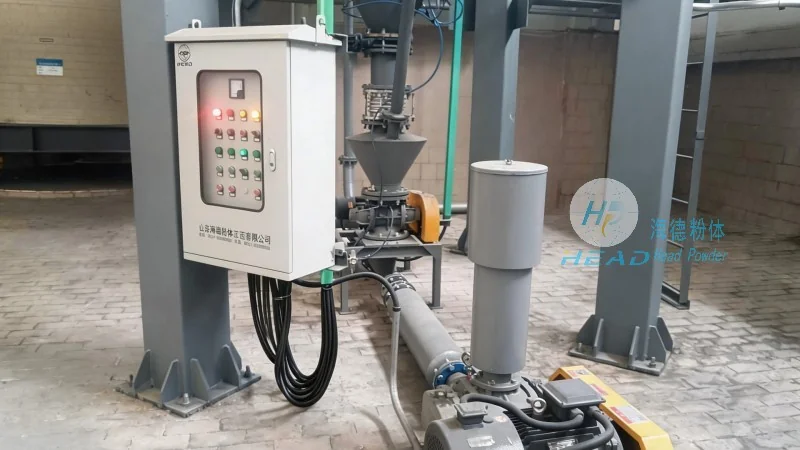
Pneumatic Conveying: A Modern Solution for Sand and Soil Transport
Pneumatic conveying, also known as air conveying, has emerged as a preferred method for transporting sand and soil due to its ability to handle a wide range of particle sizes and material types. This technology utilizes compressed air to move materials through a pipeline system, eliminating the need for mechanical components that come into direct contact with the conveyed material. The process involves creating a pressure differential that propels the material forward, allowing for both positive and negative pressure operation depending on the application requirements. Shandong HeadPowder Engineering Co., Ltd. (headpowder), a leading provider of advanced material handling solutions, specializes in designing and implementing pneumatic conveying systems tailored to the unique needs of sand and soil transport applications.
The Advantages of Pneumatic Conveying for Sand and Soil
Compared to traditional mechanical conveying methods, pneumatic systems offer several key advantages for sand and soil transport. Firstly, they provide a dust-free operation, which is crucial for maintaining air quality and worker safety in industrial environments. Secondly, pneumatic conveying can handle abrasive materials without significant wear on the system components, as the material is separated from the conveying pipes by air. Additionally, these systems are highly flexible, allowing for easy integration into existing production lines and the ability to transport materials over long distances with minimal energy consumption.
Applications of Pneumatic Conveying in Sand and Soil Handling
The versatility of pneumatic conveying makes it suitable for a variety of applications involving sand and soil. In construction sites, it is used for transporting sand, gravel, and other aggregates to different locations on-site, improving workflow efficiency and reducing manual labor. In mining operations, pneumatic systems are employed to transport ore and overburden materials from extraction sites to processing facilities. Furthermore, in the manufacturing industry, pneumatic conveying is utilized for transporting raw materials like sand for concrete production or for handling soil samples in environmental testing.
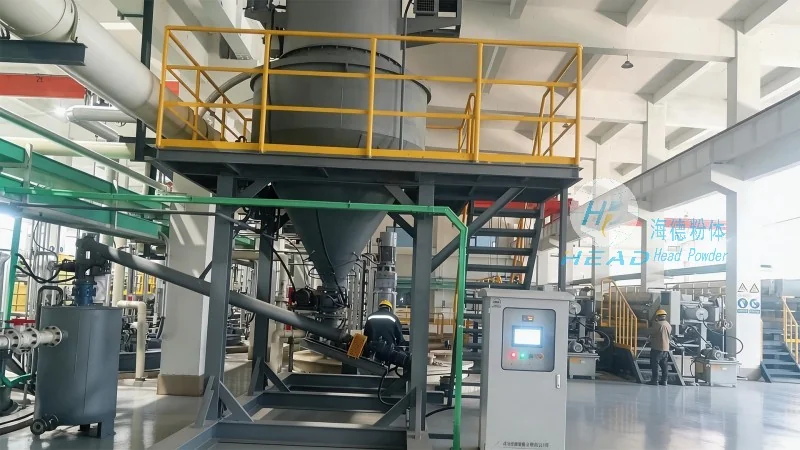
Key Considerations for Implementing Pneumatic Conveying Systems
When considering the implementation of a pneumatic conveying system for sand and soil transport, several factors must be evaluated to ensure optimal performance and cost-effectiveness. The first consideration is the material characteristics, including particle size distribution, moisture content, and abrasiveness, as these factors influence the selection of the appropriate system design and components. Secondly, the system layout and distance to be covered are critical, as different system configurations (e.g., positive pressure, negative pressure, or hybrid systems) are better suited for specific operational requirements. Additionally, energy efficiency and maintenance requirements should be assessed to ensure long-term operational reliability and cost savings.
Conclusion: Choosing the Right Conveying Method for Sand and Soil
In conclusion, the selection of an appropriate sand and soil conveying method depends on the specific application requirements, material characteristics, and operational constraints. While traditional mechanical methods remain relevant for certain applications, pneumatic conveying has proven to be a highly effective and versatile solution for modern industrial and construction needs. By understanding the advantages and considerations of each method, stakeholders can make informed decisions to enhance material handling efficiency and overall operational performance.




