

Principles and Application Scenarios of Poly carbonate Powder Pneumatic Conveying
Poly carbonate powder pneumatic conveying is a technology that utilizes compressed air or other gas to transport powder materials through a pipeline system. The core principle involves creating a flow of air that carries the powder particles, enabling efficient and controlled movement from the source to the destination. This method is particularly effective for handling poly carbonate powders due to their specific physical properties, such as particle size, density, and moisture content. The process typically involves a hopper or feeder that feeds the powder into a pipeline, where the air flow is introduced to lift and transport the material. The design of the conveying system, including the type of air pump, pipeline diameter, and pressure settings, is critical to ensure optimal performance and minimize material degradation or loss.
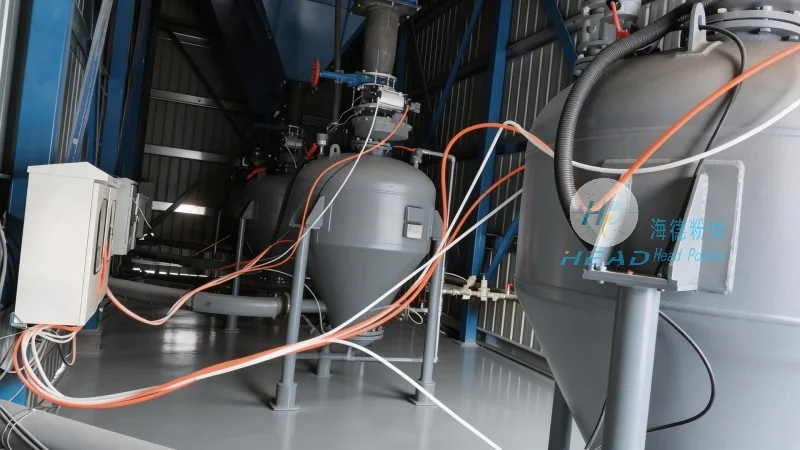
Key Working Scenarios for Poly carbonate Powder Pneumatic Conveying
HeadPowder, a leading provider in the field, has extensive experience in implementing pneumatic conveying solutions for various industrial applications. The working scenarios for poly carbonate powder pneumatic conveying vary based on the specific requirements of the operation, including the volume of material to be transported, the distance between the source and destination, and the need for dust control or environmental compliance. For example, in manufacturing facilities, poly carbonate powders are often used in injection molding processes, and pneumatic conveying can efficiently transport the material from storage silos to the molding machines. In such scenarios, the system must handle high volumes of powder while maintaining consistent flow rates to avoid interruptions in production. Another common scenario involves the handling of poly carbonate powders in research and development laboratories, where precise control over the powder flow is essential for experimental accuracy. The versatility of pneumatic conveying allows HeadPowder to tailor solutions to meet these diverse needs, ensuring reliable and efficient material transport.
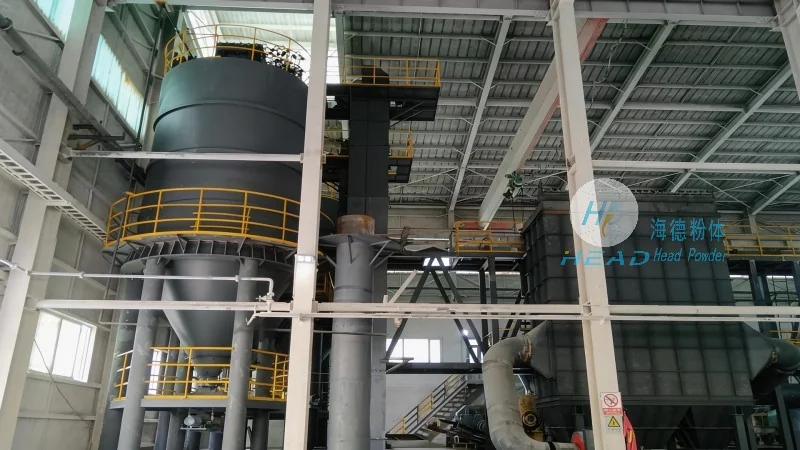
Advantages of Pneumatic Conveying for Poly carbonate Powders
Implementing pneumatic conveying for poly carbonate powders offers several advantages over traditional methods like bulk handling or mechanical conveying. One of the primary benefits is the ability to transport materials in a closed system, which significantly reduces dust exposure and improves workplace safety. This is particularly important for poly carbonate powders, as they can be fine and easily airborne, posing health risks if not properly contained. Additionally, pneumatic conveying systems can handle a wide range of particle sizes and shapes, making them suitable for poly carbonate powders that may vary in their physical characteristics. The technology also allows for better control over the flow rate and pressure, enabling precise delivery of the material to the intended destination. This precision is crucial in applications where the quality of the final product depends on the consistency of the raw material. Furthermore, pneumatic conveying can reduce the need for manual handling, minimizing the risk of product contamination and improving overall operational efficiency. HeadPowder's expertise in designing and installing these systems ensures that clients can leverage these benefits effectively, tailored to their specific operational requirements.
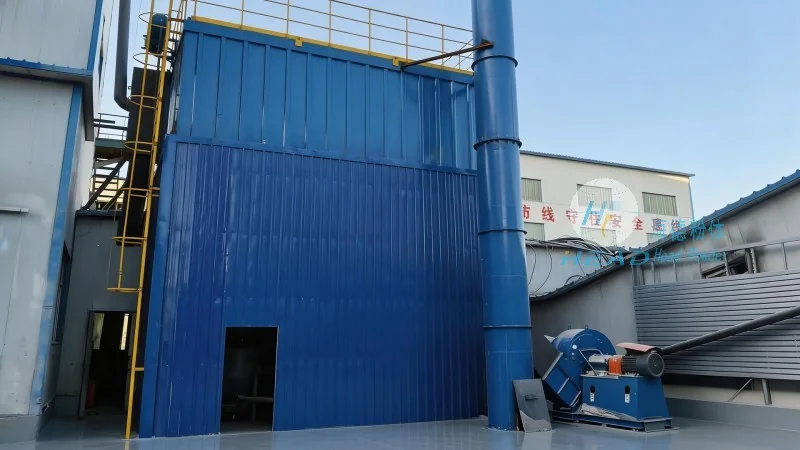
Application Examples and Case Studies
HeadPowder has successfully implemented poly carbonate powder pneumatic conveying systems in various industrial settings. For instance, a client in the automotive industry required a system to transport poly carbonate powders from a storage silo to an injection molding line. The solution provided by HeadPowder included a high-capacity air pump, a series of pipelines with appropriate diameter and length, and a control system to regulate the flow. The system was designed to handle up to 10 tons of powder per hour, ensuring a steady supply to the molding machines. The client reported significant improvements in production efficiency and reduced downtime due to material handling issues. Another application involved a company in the electronics sector, where poly carbonate powders were used in the production of plastic components for electronic devices. The pneumatic conveying system was integrated into their existing production line, replacing a manual bulk handling process. The result was a reduction in labor costs and improved product quality, as the system ensured consistent powder delivery and minimized contamination risks. These case studies highlight the effectiveness of pneumatic conveying in enhancing operational performance and meeting the specific needs of industrial clients.