

Preventing Pipeline Blockages in Polyolefin Conveying with Pneumatic Systems: Key Design Considerati
When handling polyolefin materials, the challenge of preventing pipeline blockages is a critical concern for industrial operations. Pneumatic conveying systems offer an efficient solution, but their effectiveness hinges on proper design and configuration. This article explores the key parameters that ensure smooth material flow and minimize the risk of blockages in polyolefin conveying applications.
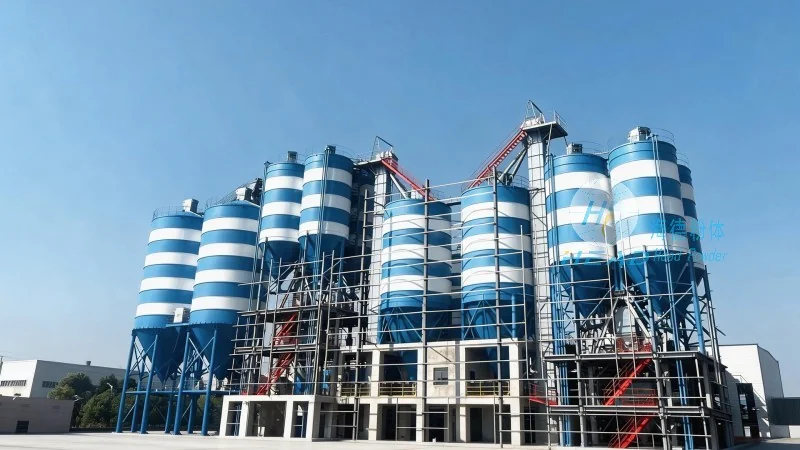
Understanding the Challenges of Polyolefin Conveying
Polyolefins, such as polyethylene and polypropylene, are widely used in various industries due to their versatility and durability. However, these materials can present unique challenges during transportation. Their low bulk density, tendency to agglomerate, and abrasive properties make them prone to causing blockages in traditional conveying systems. Traditional methods like screw conveyors or belt conveyors may struggle with these characteristics, leading to operational inefficiencies and downtime. Pneumatic conveying systems, by contrast, utilize air to transport materials, offering a more flexible and effective approach to polyolefin handling.
Key Design Parameters for Preventing Blockages
Several critical design parameters must be considered to ensure the successful operation of pneumatic conveying systems for polyolefins. These parameters directly impact the system's ability to maintain consistent flow and prevent blockages. The first parameter is the system pressure. Proper pressure selection is essential to achieve the required velocity for material transport without causing excessive wear on components. For polyolefin applications, a moderate pressure range, typically between 0.5 to 1.5 bar, is often recommended to balance efficiency and equipment longevity. This pressure level ensures sufficient air velocity to keep the material suspended and moving through the pipeline.
The second key parameter is the air velocity. The velocity of the conveying air must be sufficient to prevent material settling and maintain a consistent flow. For polyolefins, an air velocity of 20 to 30 meters per second is commonly used. This velocity ensures that the material particles remain in suspension, reducing the likelihood of agglomeration and blockage formation. However, it is crucial to avoid excessively high velocities, as this can lead to increased energy consumption and potential damage to the system components.
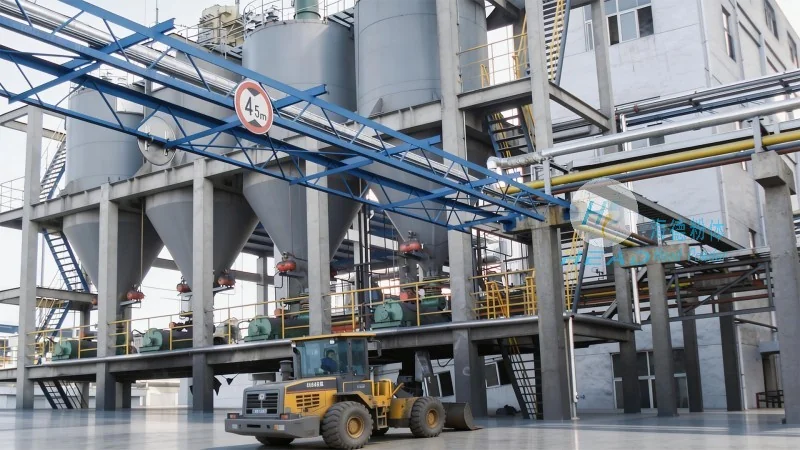
The third parameter is the pipeline diameter. The size of the conveying pipe plays a significant role in preventing blockages. A larger diameter allows for a higher volume of material to be transported, reducing the concentration of particles and minimizing the risk of clogging. For polyolefin systems, a pipe diameter of at least 100 mm is often recommended for bulk material handling. The diameter should be chosen based on the material's bulk density and the desired flow rate to ensure optimal performance.
Another critical design consideration is the use of bends and fittings. The design of the pipeline, including the number and angle of bends, directly affects the material's flow. Sharp bends can cause material to impact the pipe walls, leading to abrasion and potential blockage. To mitigate this, using smooth, gradual bends with larger radii is recommended. Additionally, incorporating expansion joints or flexible connectors can help absorb vibrations and prevent stress on the system, further reducing the risk of blockages.
System Configuration and Material Handling Strategies
In addition to the design parameters, the overall system configuration and material handling strategies are vital for preventing blockages. The feeding mechanism is a key component in maintaining consistent material flow. A well-designed feed hopper with a controlled discharge rate ensures that material is introduced into the system at a steady pace, preventing overloading and potential blockages. For polyolefins, a rotary valve or a star feeder is often used to regulate the material flow, providing a uniform feed to the conveying system.
The use of air filtration and separation systems is also essential. As polyolefin particles are often fine and can carry dust, proper filtration is necessary to maintain system efficiency and prevent clogging of downstream equipment. A dust collector or cyclone separator can be integrated into the system to remove fine particles from the air stream, ensuring that only clean air is recirculated. This not only prevents blockages but also improves the overall performance and longevity of the conveying system.
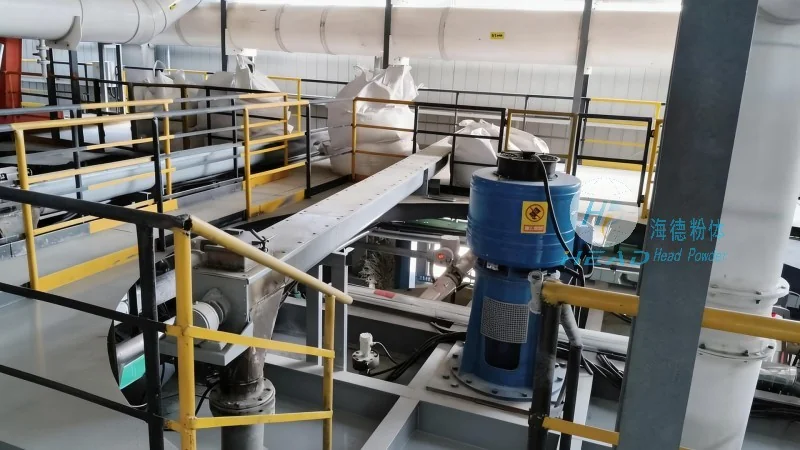
Case Study: Successful Implementation by Shandong HeadPowder Engineering Co., Ltd.
Shandong HeadPowder Engineering Co., Ltd., a leading provider of pneumatic conveying solutions, has successfully implemented systems that prevent blockages in polyolefin handling. The company specializes in designing and manufacturing customized pneumatic conveying systems tailored to the specific needs of polyolefin applications. By carefully considering the key design parameters mentioned above, HeadPowder has helped clients achieve reliable and efficient material transport, minimizing downtime and operational costs.
For instance, a client in the plastic manufacturing industry faced frequent blockages in their polypropylene conveying system. Through a comprehensive analysis of the existing system, HeadPowder recommended adjustments to the air pressure, increased pipeline diameter, and the installation of smoother bends. The implementation of these changes resulted in a significant reduction in blockage incidents, with the system now operating at optimal efficiency. This case study highlights the importance of proper design and configuration in preventing blockages and ensuring the smooth operation of polyolefin conveying systems.
Conclusion and Recommendations
Preventing pipeline blockages in polyolefin conveying requires a systematic approach that considers multiple design parameters. By optimizing system pressure, air velocity, pipeline diameter, and component design, industrial operations can achieve reliable and efficient material transport. The integration of proper feeding mechanisms, air filtration, and material handling strategies further enhances the system's performance. For companies dealing with polyolefin materials, partnering with experienced providers like Shandong HeadPowder Engineering Co., Ltd. can provide the expertise needed to design and implement effective pneumatic conveying systems that minimize blockages and maximize operational efficiency.