

How to Prevent Pipeline Blockages in Resin Sand Conveying with Pneumatic Conveying Systems? What are
Pneumatic conveying systems have become a crucial technology in the foundry industry, especially when handling resin sand. These systems use air pressure to transport materials, offering advantages such as flexibility, efficiency, and reduced labor costs. However, a common challenge in resin sand conveying is pipeline blockage, which can lead to system downtime and increased maintenance costs. Understanding how to prevent blockages and the key design parameters is essential for optimizing system performance and ensuring reliable operation.
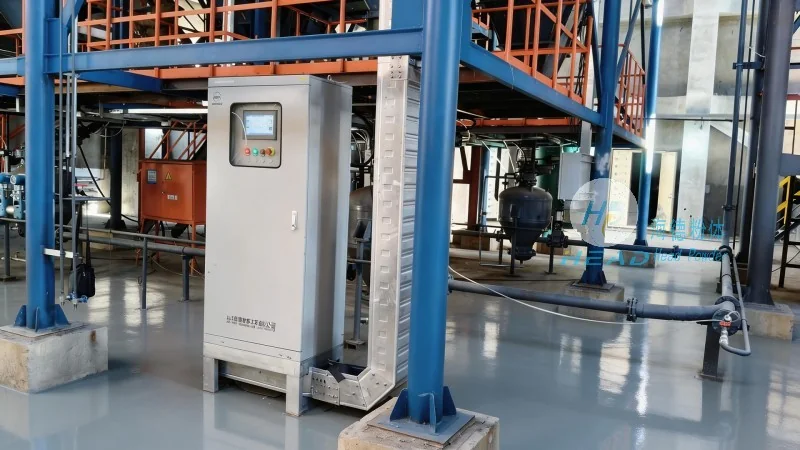
Common Causes of Pipeline Blockages in Resin Sand Conveying
Several factors contribute to pipeline blockages in pneumatic conveying systems when handling resin sand. First, the physical properties of resin sand, such as particle size distribution, moisture content, and agglomeration tendency, play a significant role. Resin sand often contains fine particles that can stick together or adhere to the pipeline walls, forming a plug. Additionally, the air velocity and pressure within the system must be maintained at optimal levels. If the air velocity is too low, particles may settle and accumulate, leading to blockages. Conversely, excessively high air velocity can cause wear on the pipeline and components, potentially creating debris that contributes to blockages. Another critical factor is the system's design, including the layout of the pipeline, the presence of bends or fittings, and the type of air distribution. Poorly designed systems may have areas where air flow is restricted, leading to localized pressure drops and particle accumulation.
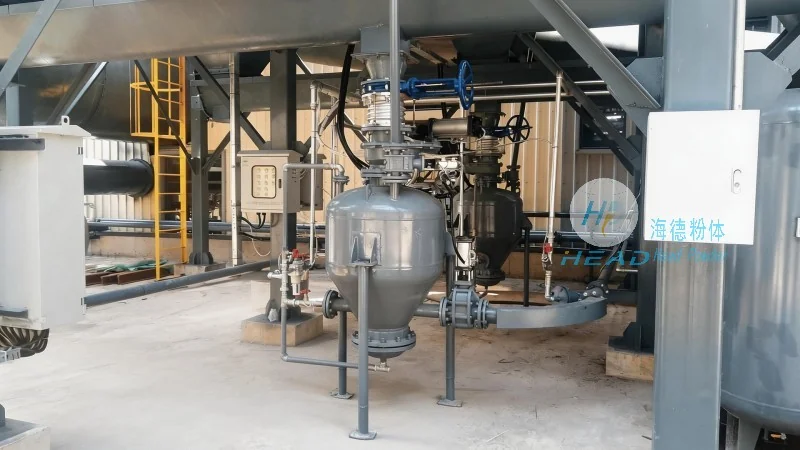
Key Design Parameters to Prevent Pipeline Blockages
To effectively prevent pipeline blockages in resin sand conveying systems, several key design parameters must be considered. The first parameter is the air velocity, which should be maintained at a level that ensures the particles are fully suspended and transported without settling. For resin sand, a typical air velocity range is between 20 to 30 meters per second, depending on the particle size and density. Maintaining this velocity is crucial to prevent particle agglomeration and adhesion to the pipeline walls. The second parameter is the pipeline diameter and length. Larger diameter pipelines reduce the risk of blockages by minimizing friction and allowing for smoother particle flow. However, the length of the pipeline must also be optimized to avoid excessive pressure drop, which can lead to reduced air velocity and particle settling. The third parameter is the air pressure and flow rate. The system must be designed to provide sufficient air pressure to overcome the resistance in the pipeline and maintain the required air velocity. This often involves using high-pressure blowers or compressors that can deliver the necessary airflow. The fourth parameter is the inclusion of cleaning mechanisms, such as pulse jets or rotary airlocks, which help to break up any accumulated particles and prevent blockages from forming. These mechanisms are typically installed at strategic points in the pipeline, such as after bends or at the end of the conveying line.
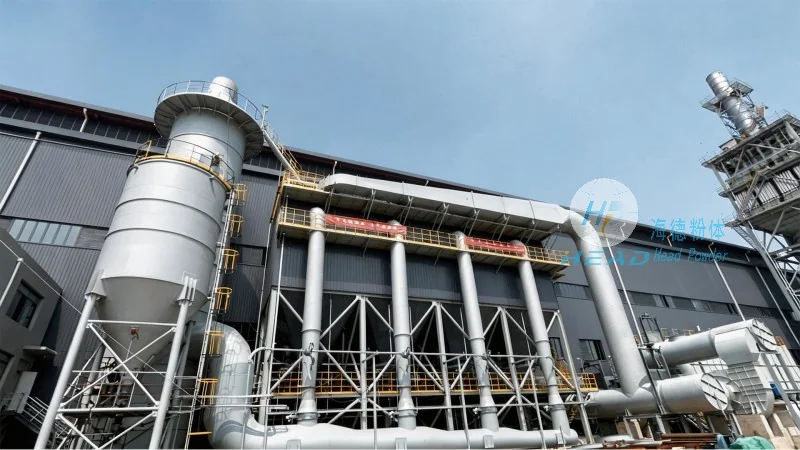
The Role of Material Handling Equipment in Preventing Blockages
Material handling equipment, such as feeders and hoppers, also plays a vital role in preventing pipeline blockages. Properly designed feeders ensure a consistent and controlled flow of resin sand into the conveying system, preventing surges or fluctuations that can lead to particle accumulation. Hoppers with appropriate hopper angles and discharge mechanisms help to prevent material bridging or rat holing, which can cause blockages at the inlet. Additionally, the use of pre-drying or conditioning equipment can reduce the moisture content of the resin sand, making it less prone to agglomeration and sticking to the pipeline. This is particularly important in humid environments where moisture can cause the sand to clump together, leading to blockages. The selection of equipment, such as rotary valves or star feeders, should be based on the specific characteristics of the resin sand, ensuring that the material is conveyed smoothly and without interruption.
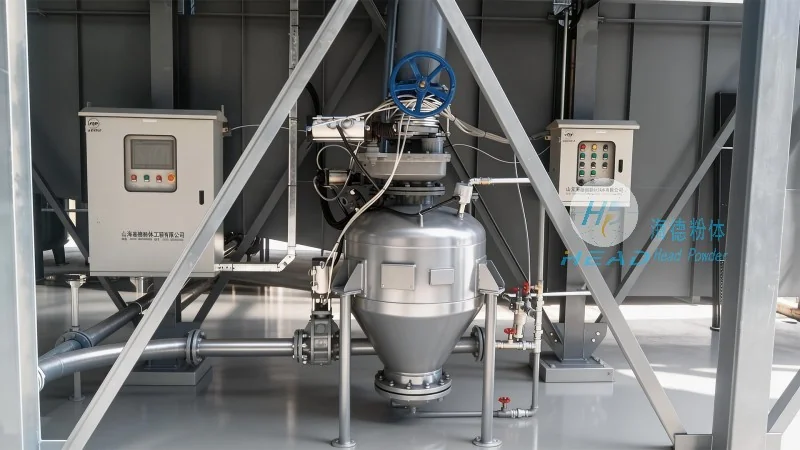
System Maintenance and Monitoring for Optimal Performance
Even with proper design, regular maintenance and monitoring are essential to prevent pipeline blockages and ensure the long-term reliability of the pneumatic conveying system. Regular inspection of the pipeline and components for signs of wear or damage is necessary to identify potential issues before they lead to blockages. Cleaning the system periodically, especially after extended periods of operation or when handling different materials, can help to remove accumulated particles and prevent blockages. Monitoring the air pressure, velocity, and flow rate using sensors and control systems allows operators to detect any deviations from the optimal parameters and take corrective action promptly. This proactive approach helps to maintain the system's performance and prevent unexpected downtime. Additionally, training operators on the proper operation and maintenance of the system is crucial to ensure that they can identify and address issues early, reducing the risk of blockages and extending the system's lifespan.