Zircon sand, a critical raw material in various industries such as ceramics, glass, and refractory manufacturing, often requires efficient and reliable material handling solutions. Pneumatic conveying systems have emerged as a preferred method for transporting zircon sand due to their ability to handle fine powders and provide a closed-loop, dust-free operation. This article explores the concept of zircon sand pneumatic conveying, detailing its fundamental principles and the key design considerations that ensure optimal performance.
Understanding Zircon Sand Pneumatic Conveying
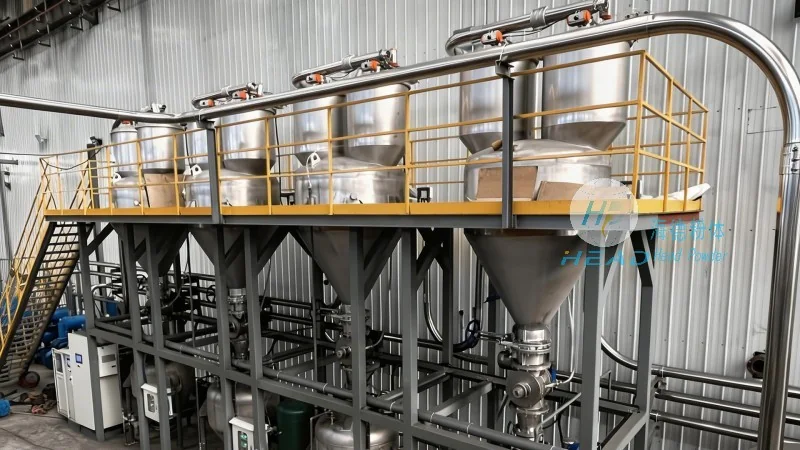
Zircon sand pneumatic conveying is a technology that uses compressed air or other gases to transport zircon sand particles through a pipeline system. Unlike traditional mechanical conveying methods, which rely on belts, buckets, or screw conveyors, pneumatic systems utilize air pressure to move the material. This method is particularly advantageous for zircon sand because it is a fine, abrasive powder that can cause wear and tear on mechanical components if not handled carefully.
Core Components of a Zircon Sand Pneumatic Conveying System
A typical zircon sand pneumatic conveying system consists of several essential components, each playing a crucial role in the overall operation. The primary components include the material feed hopper, the air compressor or blower, the conveying pipeline, the control valves, and the receiving hopper or silo. The feed hopper is designed to store and meter the zircon sand, ensuring a consistent flow into the system. The air compressor provides the necessary pressure to move the material through the pipeline, while the control valves regulate the air flow and pressure to maintain system stability.
Working Principle of Zircon Sand Pneumatic Conveying
The operation of a zircon sand pneumatic conveying system involves several stages. Initially, the zircon sand is fed from the hopper into the pipeline. Simultaneously, compressed air is introduced into the pipeline, creating a flow that lifts and transports the sand particles. The air velocity within the pipeline must be sufficient to overcome the gravitational force acting on the sand particles and any frictional losses within the system. The conveying process continues until the material reaches the receiving hopper, where it is deposited for further processing.
Design Principles for Optimal Zircon Sand Pneumatic Conveying
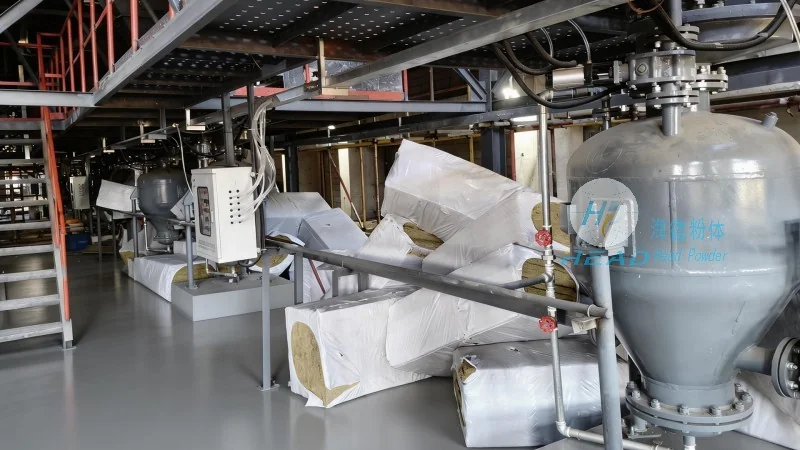
The design of a zircon sand pneumatic conveying system requires careful consideration of several factors to ensure efficiency, reliability, and longevity. One of the most critical design principles is the selection of appropriate air velocity. The air velocity must be high enough to prevent particle deposition and clogging but low enough to minimize wear on the pipeline and components. Typically, the air velocity is maintained between 20 to 30 meters per second for fine powders like zircon sand.
Another key design consideration is the pipeline diameter and material. The diameter of the pipeline is determined based on the flow rate and particle size, with larger diameters required for higher flow rates. The material of the pipeline, such as stainless steel or polyethylene, is chosen to withstand the abrasive nature of zircon sand and the corrosive effects of any moisture present in the material.
Advantages of Zircon Sand Pneumatic Conveying
Pneumatic conveying systems offer several advantages over traditional mechanical methods for handling zircon sand. One of the primary benefits is the ability to operate in a closed-loop system, which reduces dust emissions and improves workplace safety. Additionally, pneumatic systems can handle fine powders without the need for additional equipment like classifiers or screens, as the air flow naturally separates the material from any entrained air.
Furthermore, pneumatic conveying systems are highly flexible and can be easily integrated into existing production lines. They can transport zircon sand over long distances and through multiple stages of processing, making them suitable for large-scale industrial applications. The systems also provide better control over the material flow, allowing for precise dosing and regulation of the sand supply to downstream processes.
Challenges and Mitigation Strategies
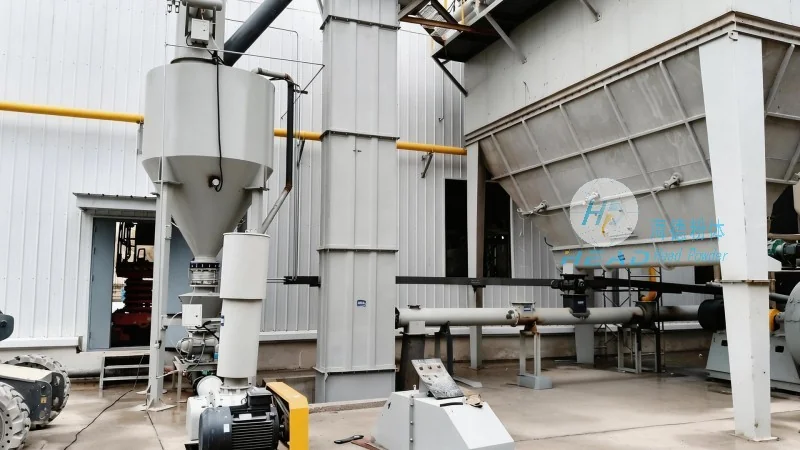
Despite its advantages, zircon sand pneumatic conveying systems may face challenges such as system clogging, pressure drop, and wear on components. Clogging can occur due to the accumulation of fine particles in the pipeline, leading to reduced flow rates and increased pressure. To mitigate this, designers often incorporate features like pulse jets or air knives to break up any agglomerates and maintain a smooth flow.
Pressure drop is another concern, as it can lead to reduced conveying efficiency and increased energy consumption. Proper system design, including the use of appropriate pipeline diameters and smooth bends, helps minimize pressure drop. Additionally, regular maintenance and cleaning of the system components are essential to prevent wear and ensure consistent performance.
Conclusion
Zircon sand pneumatic conveying is a sophisticated and effective method for transporting zircon sand in industrial applications. By understanding the core components, working principles, and design considerations, engineers can develop systems that optimize performance, ensure safety, and minimize operational costs. As a leading provider in the field, Shandong HeadPowder Engineering Co., Ltd. specializes in designing and manufacturing high-quality pneumatic conveying systems tailored to the specific needs of zircon sand handling, ensuring reliable and efficient material transport for its clients.




