Tote bag quantitative feeding pneumatic conveying is a specialized industrial process designed to handle bulk materials efficiently. This method involves the use of large, flexible tote bags to store and transport materials, with a focus on precise and controlled feeding into processing equipment. The system combines the flexibility of tote bag storage with the efficiency of pneumatic conveying technology, making it ideal for applications where material handling needs to be both accurate and automated. Developed and implemented by Shandong HeadPowder Engineering Co., Ltd., a leading provider of industrial material handling solutions, this technology has become a cornerstone in modern bulk material processing.
Core Components and Functionality
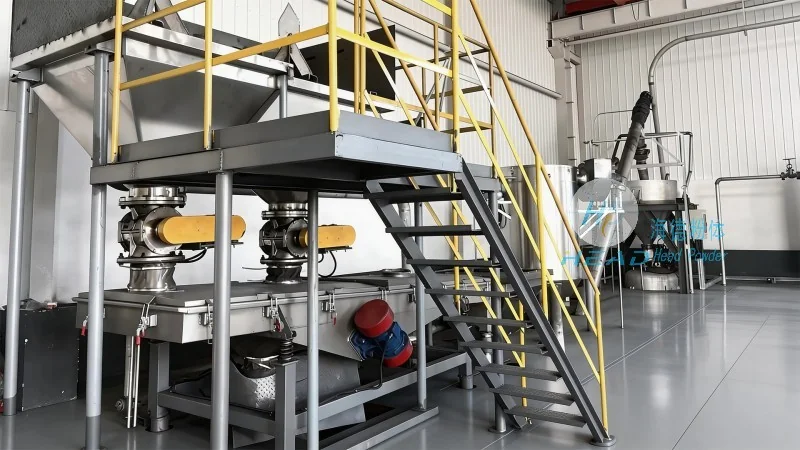
The system typically consists of several key components that work in tandem to achieve quantitative feeding. First, the tote bag itself, often made from durable materials like polyethylene or other reinforced fabrics, serves as the primary container for bulk materials. These bags are designed to be easily filled and emptied, with secure sealing mechanisms to prevent material loss or contamination. Next, the feeding mechanism, which may include a hopper or a dedicated valve system, is integrated with the tote bag to control the flow of material. This component ensures that the material is released in measured quantities, aligning with the required processing rates. The pneumatic conveying system, which may use positive or negative pressure, then transports the material from the tote bag to the processing equipment. This part of the system includes pipelines, air movers (such as blowers or vacuum pumps), and possibly filters to maintain air quality and prevent material buildup. The entire setup is engineered to maintain consistent material flow, minimizing variations in feed rate and ensuring that the processing equipment operates at optimal efficiency. The integration of these components is critical to the system's performance, as each part must work seamlessly to deliver accurate and reliable material feeding.
Design Principles Underpinning the System
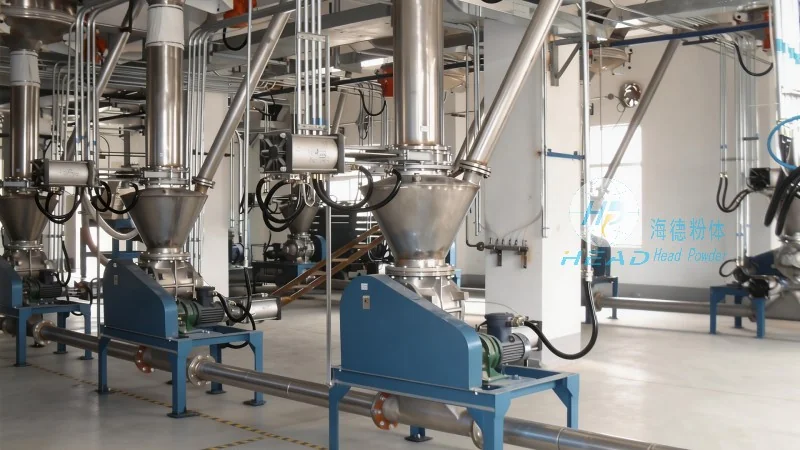
The design principles of tote bag quantitative feeding pneumatic conveying are centered on precision, reliability, and adaptability. Precision is achieved through careful calibration of the feeding mechanism, which may involve adjustable valves, flow meters, or sensors that monitor the material flow rate. This allows for tight control over the amount of material being fed, which is critical for processes that require exact dosing, such as chemical reactions, mixing, or packaging. The calibration process often involves testing and adjustment to ensure that the system delivers the desired feed rate under various operating conditions. Reliability is ensured by the robust construction of the tote bags and the system's components, which are designed to withstand the rigors of industrial use, including heavy loads, abrasive materials, and varying environmental conditions. The use of high-quality materials and durable construction reduces the risk of system failures and extends the lifespan of the equipment. The system is also designed to be adaptable, with features that allow for easy integration with existing processing lines and the ability to handle a wide range of materials, from powders and granules to bulk solids. This adaptability is achieved through modular components and flexible design, enabling the system to be customized to meet the specific needs of different applications.
Advantages of Tote Bag Quantitative Feeding Pneumatic Conveying
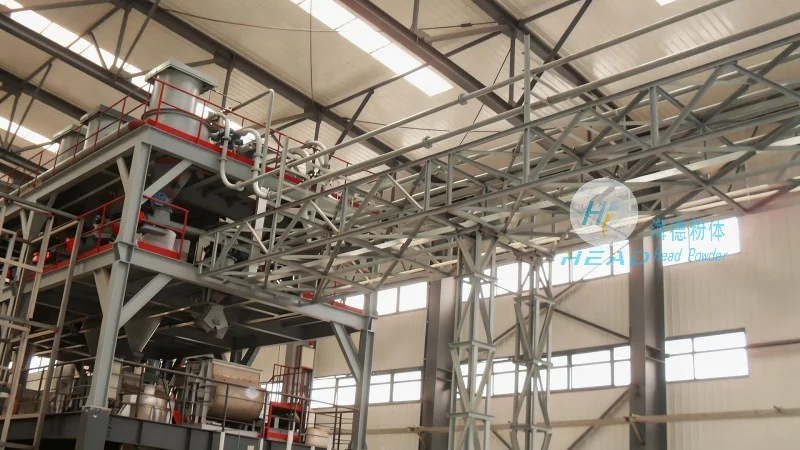
Implementing a tote bag quantitative feeding pneumatic conveying system offers several significant advantages over traditional material handling methods. One of the primary benefits is the ability to achieve precise and consistent material feeding, which reduces variability in the final product and improves process control. This is particularly important in industries where product quality is paramount, such as pharmaceuticals or food processing, where even small variations can impact safety or performance. The system's ability to maintain a consistent feed rate also helps optimize the processing equipment, reducing downtime and increasing overall productivity. Another advantage is the enhanced safety and hygiene of the system. By using enclosed tote bags and a sealed pneumatic conveying line, the risk of material contamination and exposure to dust or airborne particles is minimized. This not only improves workplace safety but also helps maintain compliance with regulatory standards, such as those set by the FDA or other industry bodies. Additionally, the system offers improved efficiency and cost savings. The automated nature of the process reduces the need for manual handling, which can lower labor costs and minimize the risk of human error. The ability to handle bulk materials in large quantities also reduces the frequency of material replenishment, saving time and resources. Furthermore, the system's flexibility allows for easy scaling, making it suitable for both small-scale operations and large industrial facilities. This scalability ensures that the system can grow with the needs of the business, providing long-term value.
Applications and Industries
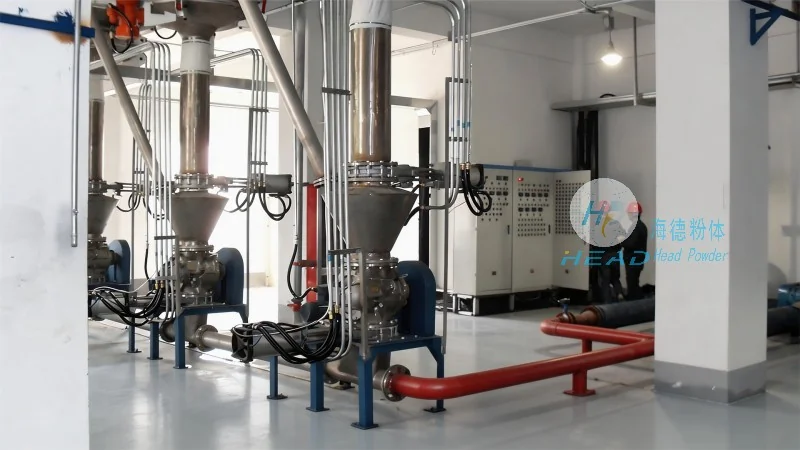
Tote bag quantitative feeding pneumatic conveying is widely used across various industries due to its versatility and efficiency. In the pharmaceutical industry, for example, the system is used to handle active pharmaceutical ingredients (APIs) and other sensitive materials, ensuring precise dosing and maintaining strict hygiene standards. The use of tote bags and sealed conveying lines helps prevent cross-contamination, which is critical in pharmaceutical manufacturing. The food processing industry also benefits from this technology, particularly in applications involving powders like flour, sugar, or spices, where accurate feeding is essential for consistent product quality. The system's ability to handle hygienic materials and maintain clean conditions makes it suitable for food processing environments. The chemical manufacturing sector utilizes the system for handling raw materials and intermediates, enabling controlled reactions and reducing the risk of material contamination. In mining and minerals processing, the system is used to transport bulk solids like ores and minerals, improving the efficiency of material handling and processing. The system's robust design and ability to handle abrasive materials make it ideal for these harsh environments. Additionally, industries such as cosmetics and personal care use the system to handle powders and granules, ensuring consistent product quality and reducing waste. The adaptability of the system to different materials and applications makes it a valuable asset in many industrial settings.




