

Operation Process and Working Principle of PUR Powder Handling System Equipment
Shandong HeadPowder Engineering Co., Ltd., commonly known as headpowder, specializes in the design, manufacturing, and supply of advanced powder handling systems. Based in Shandong, China, the company leverages decades of industry experience to deliver reliable solutions for the efficient transportation of PUR (polyurethane) powders and other fine materials. This article explores the operational workflow and technical principles behind their powder handling systems, highlighting key components and the systematic approach to ensuring optimal performance in industrial applications.
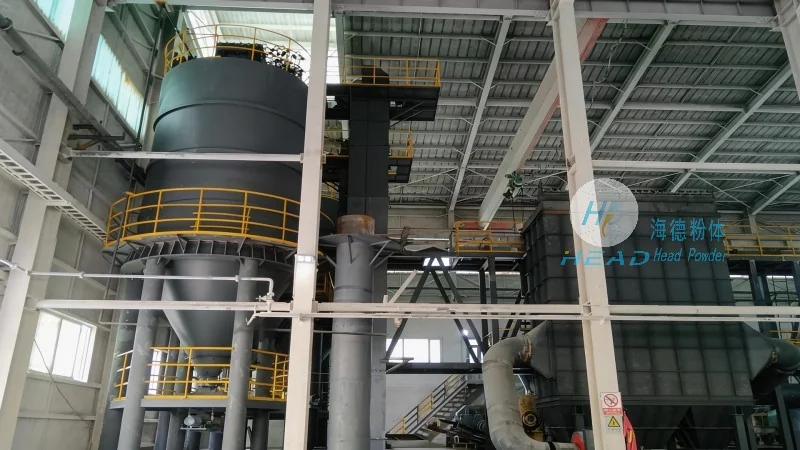
Overview of the PUR Powder Handling System
The PUR powder handling system developed by headpowder is engineered to meet the demanding requirements of modern manufacturing processes. It integrates multiple functional modules, including material feeding, conveying, storage, and discharge mechanisms, all designed to work in harmony to achieve seamless material flow. The system is built with durability and efficiency in mind, utilizing high-quality materials and advanced control technologies to minimize downtime and maximize productivity.
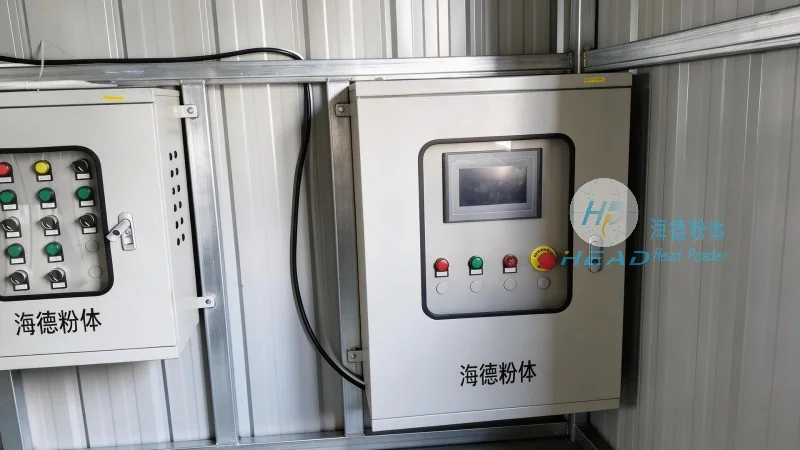
Key Components and Their Functions
At the core of the system are several critical components that work together to facilitate the movement of PUR powders. The feeding unit, typically equipped with a hopper and a vibratory feeder, ensures a consistent and controlled supply of material into the system. This component prevents material bridging and ensures a steady flow rate, which is crucial for maintaining system stability. The conveying section, often utilizing pneumatic or mechanical methods, transports the powder from the feeding area to the storage or processing units. Pneumatic conveying systems, for instance, use compressed air to create a pressure differential that propels the powder through pipelines, while mechanical conveyors rely on screw or belt mechanisms for horizontal or vertical transport. The storage tank or silo, equipped with level sensors and aeration systems, provides a buffer for material and helps maintain consistent moisture levels, which is vital for the quality of PUR powders. Finally, the discharge mechanism, such as a rotary valve or a gate valve, regulates the release of material to downstream equipment, ensuring precise control over the output rate.
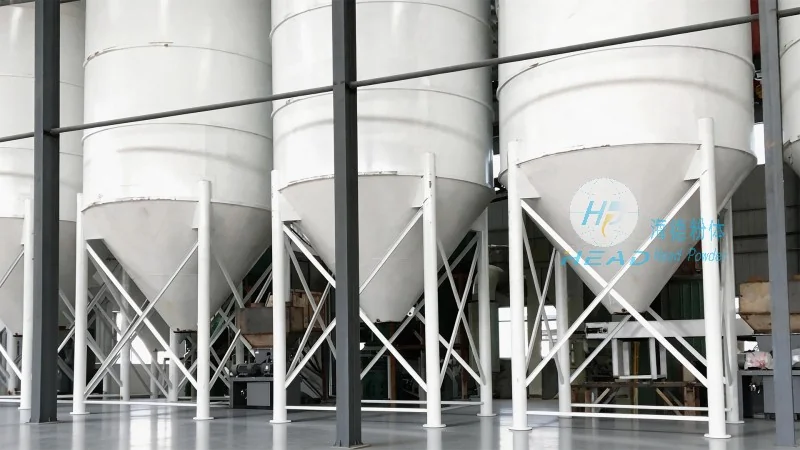
Operation Process: Step-by-Step Workflow
The operation of the PUR powder handling system follows a systematic sequence of steps, each designed to optimize material handling efficiency. The process begins with material loading into the hopper. The vibratory feeder then initiates, feeding the PUR powder into the conveying line at a pre-set rate. The pneumatic conveying system, powered by a compressor, generates the necessary pressure to move the powder through the pipeline network. As the powder travels, it passes through any necessary filtration or drying units to ensure quality. The storage silo receives the material, where level sensors monitor inventory levels and aeration systems maintain optimal moisture content. When downstream equipment requires material, the discharge valve opens, releasing the powder at the required flow rate. The entire process is controlled by a programmable logic controller (PLC), which coordinates the operation of each component, ensuring smooth and continuous operation. This automated control system allows for real-time monitoring and adjustment, enabling operators to respond quickly to changes in production demands or material conditions.
Working Principle: The Science Behind Efficient Conveying
The working principle of the PUR powder handling system is rooted in the physics of fluidization and pneumatic transport. When the PUR powder is introduced into the conveying line, it is suspended in the air stream, creating a "fluidized" state where the powder behaves like a fluid. This fluidization is achieved by maintaining a specific air velocity, which is higher than the minimum fluidization velocity (Umf) of the powder. The air velocity is carefully controlled to prevent particle separation or blockages in the pipeline. The system’s design ensures that the air-powder mixture flows smoothly through the pipeline, with minimal pressure drop and energy consumption. The use of appropriate pipeline diameters and bends, along with smooth interior surfaces, minimizes friction losses and ensures efficient transport. Additionally, the system incorporates features such as pulse-jet cleaning and pressure relief valves to maintain system integrity and prevent clogging. The combination of these principles allows headpowder’s system to deliver high throughput with low energy consumption, making it an ideal solution for industrial applications where PUR powders need to be handled efficiently and reliably.
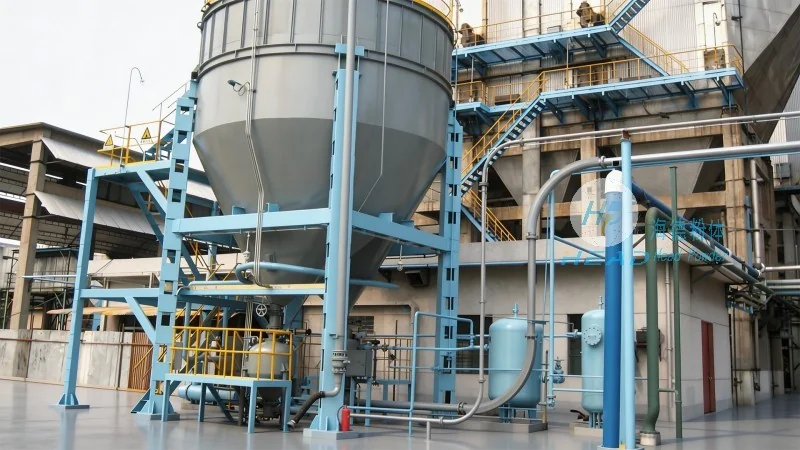
Benefits and Applications in Industrial Settings
Headpowder’s PUR powder handling system offers numerous benefits for industries that rely on polyurethane powders, including automotive, construction, and manufacturing sectors. The system’s ability to handle fine powders with minimal dust generation reduces health and safety risks, while its automated control features improve operational efficiency and reduce labor costs. The consistent material flow ensures that downstream processes, such as mixing or coating, receive a uniform feed, leading to higher product quality and reduced waste. The system’s durability and low maintenance requirements make it a cost-effective solution for long-term use. In automotive manufacturing, for example, the system can be used to transport PUR powders for spray applications, while in construction, it can handle powders for insulation or coating materials. The versatility of the system allows it to adapt to various production scales and material types, making it a reliable choice for businesses seeking to optimize their powder handling processes.