

Operation Process and Working Principle of Air-Driven Conveying System for Fine Sand Materials
HeadPowder, a leading provider of material handling solutions, specializes in air-driven conveying systems designed for the efficient transport of fine sand materials. This article delves into the operation process and working principles of such systems, offering insights into their design, functionality, and practical applications.
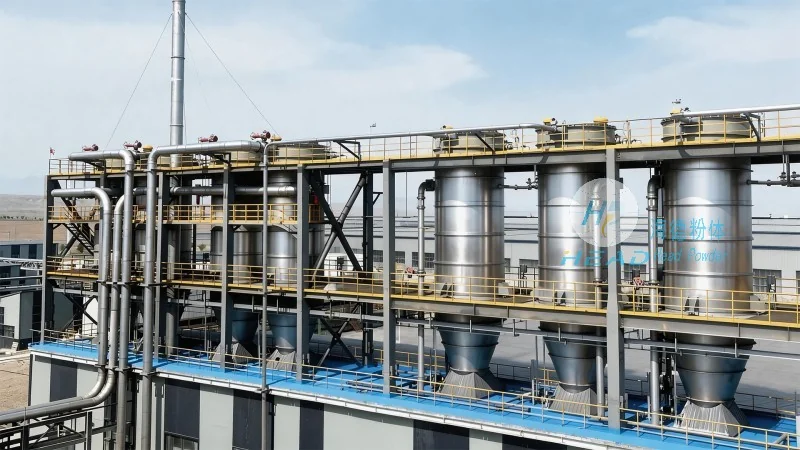
Overview of Fine Sand Material Air-Driven Conveying Systems
Fine sand material air-driven conveying systems are engineered to transport fine sand particles through a pipeline using compressed air or a vacuum. These systems are widely used in industries such as mining, construction, and chemical processing due to their ability to handle delicate materials without causing degradation or contamination. The systems are typically composed of several key components, including a material hopper, a conveyor pipeline, a blower or vacuum pump, and a control system.
Working Principle of the Air-Driven Conveying System
The core working principle of an air-driven conveying system for fine sand materials involves the creation of a flow of air within the pipeline. In a typical setup, a blower generates high-pressure air that is directed into the material hopper. As the air flows into the hopper, it lifts the fine sand particles and carries them along the pipeline to the discharge point. The velocity and pressure of the air are carefully controlled to ensure the efficient and stable transport of the material. The system may operate under either positive pressure (blowing air into the pipeline) or negative pressure (creating a vacuum to draw material into the pipeline), depending on the specific application and material characteristics.
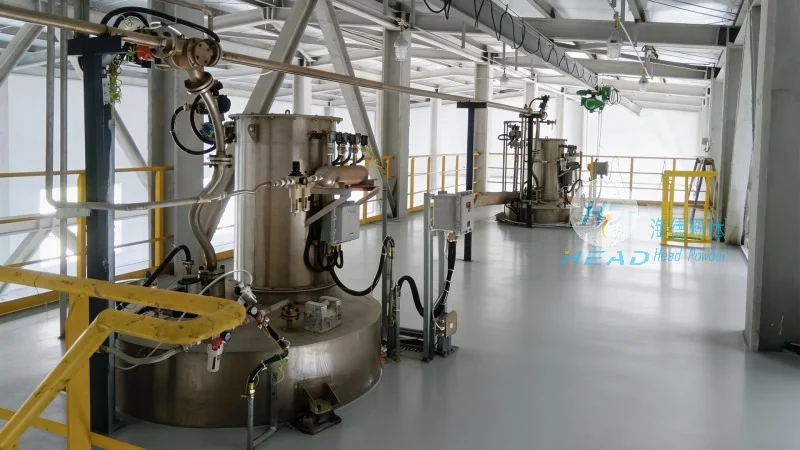
Step-by-Step Operation Process
The operation process of a fine sand material air-driven conveying system involves several sequential steps to ensure smooth and reliable material transport. First, the fine sand is loaded into the material hopper. The hopper is equipped with a feeding mechanism, such as a screw feeder or a rotary valve, which regulates the flow of material into the pipeline. Next, the blower or vacuum pump is activated, creating the necessary air flow. The air flow lifts the fine sand particles from the hopper and propels them through the pipeline. The material travels through the pipeline until it reaches the discharge point, where it is collected in a storage bin or processing unit. The system may include a control panel that monitors and adjusts the air pressure, flow rate, and material feed rate to maintain optimal performance. Regular maintenance, such as cleaning the pipeline and checking the blower performance, is essential to ensure the longevity and efficiency of the system.
Key Components and Their Functions
Several critical components contribute to the effective operation of a fine sand material air-driven conveying system. The material hopper serves as the storage and feeding unit, holding the fine sand and providing a controlled release of material into the pipeline. The conveyor pipeline, typically made of stainless steel or other corrosion-resistant materials, transports the fine sand and air mixture. The blower or vacuum pump generates the necessary air pressure or vacuum to move the material. The control system, which may include sensors and a programmable logic controller (PLC), monitors and adjusts the system parameters to maintain optimal performance. Additional components may include filters to remove dust from the air, and check valves to prevent backflow of material.
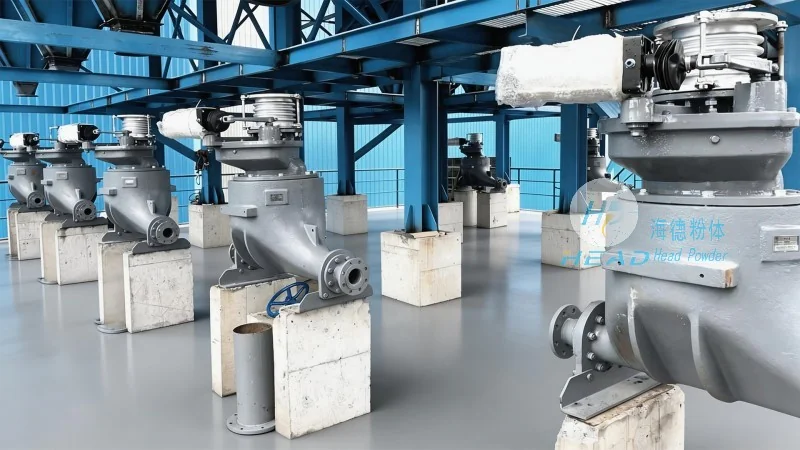
Applications and Benefits
Fine sand material air-driven conveying systems are utilized in various industrial applications where the transport of fine sand is required. These systems offer several advantages over traditional methods, such as belt conveyors or bucket elevators. The systems are capable of transporting fine sand over long distances with minimal material degradation. They are also more flexible, as the pipeline can be easily reconfigured to adapt to changing production needs. The systems are also relatively low maintenance and can be integrated with existing production lines. HeadPowder's air-driven conveying systems are designed to meet the specific requirements of each application, ensuring optimal performance and efficiency.
Conclusion
In conclusion, fine sand material air-driven conveying systems are efficient and reliable solutions for transporting fine sand materials. The systems operate based on the principles of air flow and material lifting, with a carefully designed set of components working in concert to achieve optimal performance. HeadPowder, with its expertise in material handling solutions, provides high-quality air-driven conveying systems that are tailored to the specific needs of each client. The systems are designed to be durable, efficient, and easy to maintain, making them a cost-effective choice for industries requiring the transport of fine sand materials.