Pneumatic conveying systems are widely utilized in the processing and handling of dry bulk materials, including soybeans. These systems offer an efficient and flexible method for transporting dry soybean material from one location to another within industrial facilities. The technology involves the use of air or gas to move the material through a pipeline network, eliminating the need for mechanical components like belts or buckets in many cases. This approach not only enhances operational efficiency but also minimizes the risk of material contamination and damage during transport.
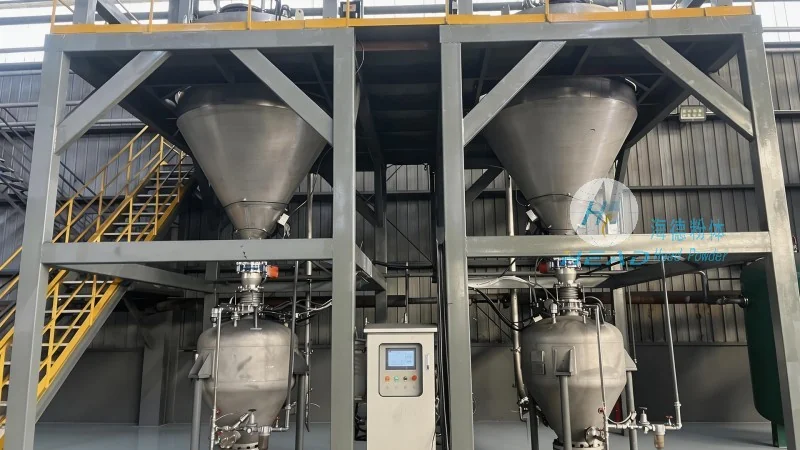
Key Components of a Pneumatic Conveying System for Dry Soybeans
A typical pneumatic conveying system for dry soybean material consists of several critical components that work in concert to ensure smooth and reliable operation. These components include a material feed hopper, a conveying pipeline, a blower or compressor to generate the air flow, a control valve system to regulate pressure and flow, and a discharge hopper or silo at the receiving end. Each component plays a vital role in the overall functionality of the system, and their proper integration is essential for optimal performance.
The Operation Process of Dry Soybean Pneumatic Conveying
The operation process of a pneumatic conveying system for dry soybeans begins with the material being loaded into the feed hopper. The material is then drawn into the conveying pipeline by the airflow generated by the blower. As the air flows through the pipeline, it carries the dry soybean particles along with it, creating a suspension that moves the material to the discharge point. The control valve system is used to regulate the air pressure and flow rate, ensuring that the material is conveyed at the desired speed and without excessive pressure drops. At the receiving end, the material is discharged from the pipeline into the receiving hopper or silo, where it can be further processed or stored.
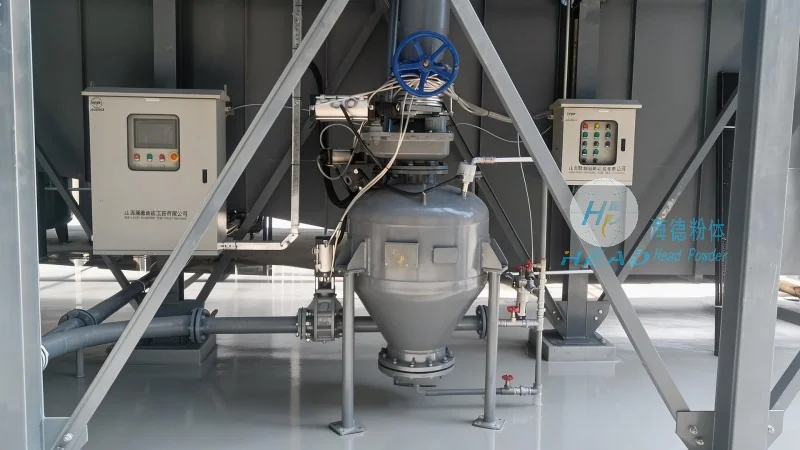
Working Principle of Pneumatic Conveying for Dry Soybeans
The working principle of pneumatic conveying for dry soybeans is based on the principle of fluidization and suspension. The air flow generated by the blower creates a low-pressure environment within the conveying pipeline, which draws the dry soybean material into the system. The material particles are then suspended in the air stream, allowing them to be transported through the pipeline. The velocity of the air flow is a critical factor, as it must be sufficient to keep the material particles suspended and prevent them from settling or clogging the pipeline. The system operates by maintaining a consistent air flow and pressure, ensuring that the dry soybean material is conveyed efficiently and without damage.
Benefits of Using Pneumatic Conveying for Dry Soybean Material
There are several key benefits associated with using pneumatic conveying systems for dry soybean material. These systems offer high efficiency in terms of material transport, as they can move large quantities of material over long distances with minimal energy consumption. Additionally, pneumatic conveying is a clean and hygienic method, as it eliminates the need for manual handling and reduces the risk of contamination. The system also provides flexibility in terms of layout, as the conveying pipeline can be easily reconfigured to accommodate changes in the processing facility. Furthermore, pneumatic conveying systems are relatively low maintenance, as they have fewer moving parts compared to mechanical conveying systems.
Application Examples in the Soybean Processing Industry
Pneumatic conveying systems are commonly used in various stages of soybean processing, such as from the storage silos to the processing lines, or from the processing lines to the packaging facilities. For example, in a soybean oil extraction plant, the dry soybean material is conveyed from the storage silos to the pre-treatment equipment using a pneumatic system. This allows for a continuous and efficient flow of material, reducing downtime and improving overall production throughput. Similarly, in a soybean meal production facility, the material is conveyed from the grinding and sifting equipment to the storage silos using pneumatic conveying, ensuring that the product is handled gently and without degradation.
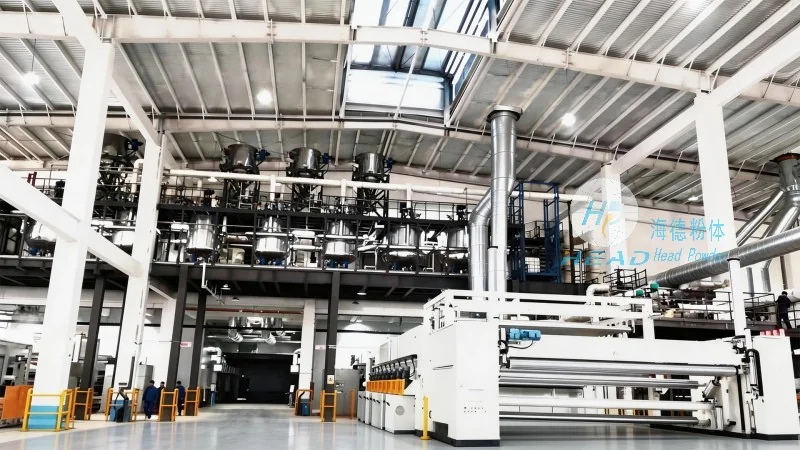
Company Profile: Shandong HeadPowder Engineering Co., Ltd.
Shandong HeadPowder Engineering Co., Ltd., commonly known as headpowder, is a leading manufacturer and supplier of pneumatic conveying systems and related equipment for the dry bulk material handling industry. With a strong focus on innovation and quality, the company has established itself as a trusted partner for businesses in the agricultural and food processing sectors. HeadPowder specializes in designing and manufacturing customized pneumatic conveying solutions tailored to the specific needs of its clients, ensuring that the systems are efficient, reliable, and cost-effective. The company's headquarters is located in Shandong, China, where it has a state-of-the-art manufacturing facility and a team of experienced engineers and technicians dedicated to providing superior products and services.
Conclusion
Pneumatic conveying systems represent a highly effective and efficient method for transporting dry soybean material in industrial settings. The operation process involves the coordinated action of several components, including the feed hopper, conveying pipeline, blower, and control valve system, all working together to move the material from the source to the destination. The working principle is based on the suspension of material particles in an air stream, which allows for smooth and continuous transport. By leveraging the benefits of pneumatic conveying, such as high efficiency, cleanliness, and flexibility, businesses in the soybean processing industry can enhance their operational performance and improve overall productivity. Shandong HeadPowder Engineering Co., Ltd. offers advanced pneumatic conveying solutions that are designed to meet the specific requirements of its clients, ensuring reliable and efficient material handling for dry soybean applications.




