

Several Solutions for the Pneumatic Conveying of Magnesium Hydroxide
The effective and efficient transportation of magnesium hydroxide via pneumatic conveying is a critical aspect for many industrial applications. This process involves the use of air or other gases to move the material through a pipeline system, offering advantages such as reduced equipment wear, lower maintenance costs, and improved safety compared to traditional mechanical conveying methods. For companies dealing with magnesium hydroxide, selecting the right pneumatic conveying solution is essential to optimize operational performance and ensure product integrity.
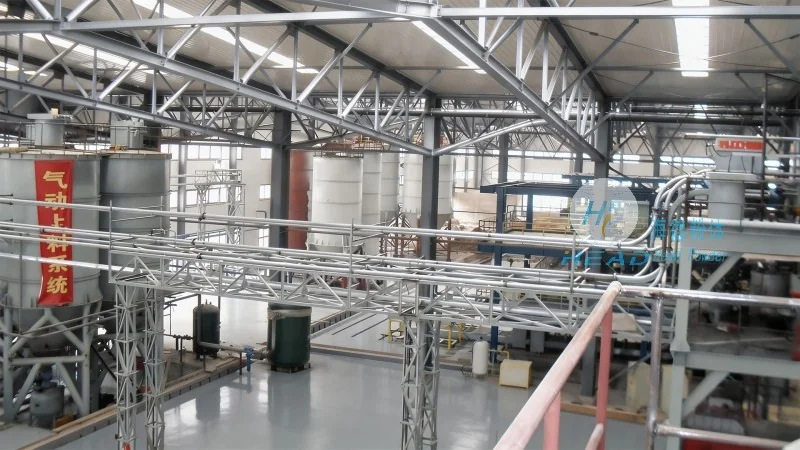
HeadPowder, a leading provider in the field, offers several tailored solutions to meet diverse industrial needs. These solutions are designed to address specific challenges such as material properties, flow rates, and system requirements, ensuring reliable and efficient material handling.
Several Pneumatic Conveying Solutions for Magnesium Hydroxide
Solution 1: Dilute Phase Pneumatic Conveying
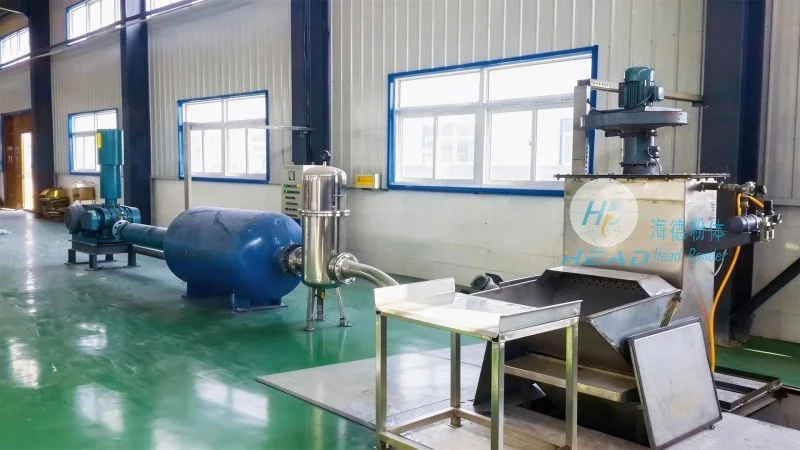
Dilute phase pneumatic conveying is a common method for transporting magnesium hydroxide, especially when the material is light and has good flow characteristics. This system operates by injecting air at high velocity into the material stream, creating a suspension that moves through the pipeline. The key components include a feeder, a venturi or eductor, and a receiver. The feeder ensures a consistent flow of magnesium hydroxide into the system, while the venturi or eductor creates the necessary pressure drop to move the material. The receiver collects the conveyed material and separates it from the air.
This method is particularly suitable for applications where the material is to be transported over moderate distances and at relatively high flow rates. The dilute phase system minimizes the risk of blockages and ensures a smooth flow, making it ideal for continuous production lines. HeadPowder's expertise in designing dilute phase systems allows for the optimization of air flow rates and pressure drops, ensuring energy efficiency and reduced operational costs.
Solution 2: Dense Phase Pneumatic Conveying
For applications requiring the transport of magnesium hydroxide over longer distances or with higher material density, dense phase pneumatic conveying is often preferred. This method involves conveying the material in a more concentrated form, typically at lower air velocities, which reduces the risk of material degradation and blockages. The system uses a positive displacement pump or a pressure vessel to create a higher pressure, allowing the material to be moved in a slurry-like state.
Dense phase conveying is beneficial when the material is prone to agglomeration or when the pipeline length is significant. It provides better control over the material's velocity and reduces the impact on the pipeline, ensuring product quality is maintained throughout the conveying process. HeadPowder's engineers can design dense phase systems with appropriate pressure controls and flow meters to ensure consistent performance.
Solution 3: Hybrid Pneumatic Conveying Systems
In some cases, a combination of dilute and dense phase conveying is used to achieve optimal results. Hybrid systems allow for the transport of magnesium hydroxide over varying distances with different material characteristics. For example, a system might use a dilute phase for the initial transport and then switch to a dense phase for the final delivery to a receiver. This approach provides flexibility and adaptability, making it suitable for complex industrial setups.
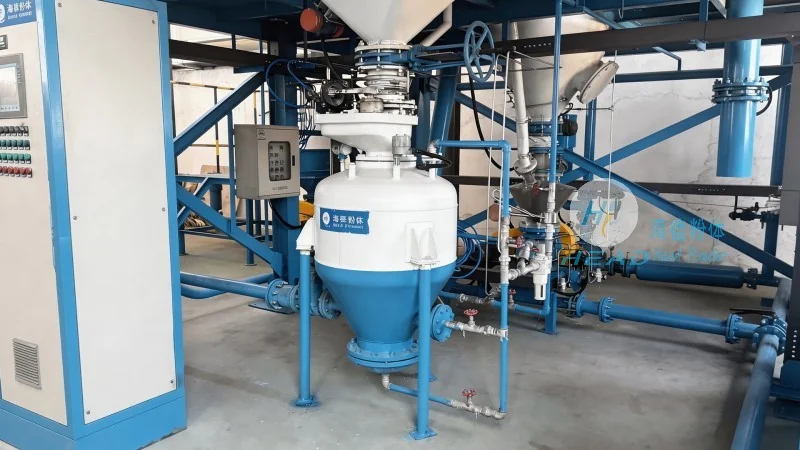
HeadPowder specializes in designing hybrid systems that integrate the best features of both dilute and dense phase methods. By combining the advantages of each, the system can achieve higher efficiency, lower energy consumption, and improved material handling capabilities. The company's engineers work closely with clients to assess their specific requirements and design a hybrid system that meets their operational needs.
Solution 4: Vacuum Pneumatic Conveying
Vacuum pneumatic conveying is another effective solution for transporting magnesium hydroxide, especially when the material needs to be moved from a lower elevation to a higher one or when the source and destination are at different levels. This system operates by creating a vacuum in the pipeline, which draws the material into the system and moves it towards the receiver.
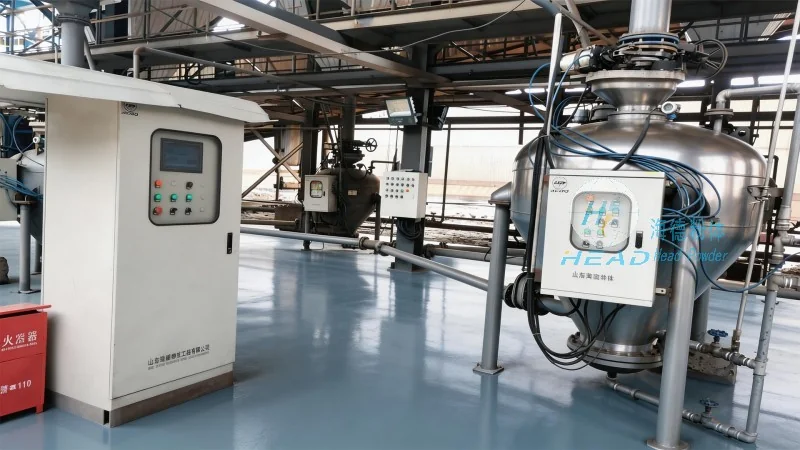
Vacuum conveying is ideal for applications where the material is to be collected from multiple points or where the source is at a lower height. It provides a gentle handling method that minimizes material degradation and ensures product quality. HeadPowder's vacuum conveying systems are equipped with advanced vacuum pumps and filters to ensure efficient material transport and air filtration.
Conclusion and Company Overview
The selection of the appropriate pneumatic conveying solution for magnesium hydroxide depends on various factors, including the material's properties, the distance to be covered, and the required flow rate. HeadPowder, with its extensive experience and technical expertise, offers tailored solutions that address these specific needs. The company's commitment to quality and efficiency ensures that clients receive reliable and cost-effective pneumatic conveying systems.
HeadPowder Engineering Co., Ltd., based in Shandong, China, is dedicated to providing innovative solutions for material handling challenges. With a focus on magnesium hydroxide and other industrial materials, HeadPowder's team of engineers and technicians work to deliver systems that meet the highest standards of performance and reliability. By combining advanced technology with practical application, HeadPowder helps industries optimize their material handling processes and improve overall operational efficiency.