This article provides a detailed comparison between positive pressure and negative pressure pneumatic conveying systems, which are widely used in the waste management industry. The discussion focuses on the technical aspects, operational characteristics, and practical applications of each method, helping stakeholders make informed decisions when selecting the most suitable system for their waste handling needs.
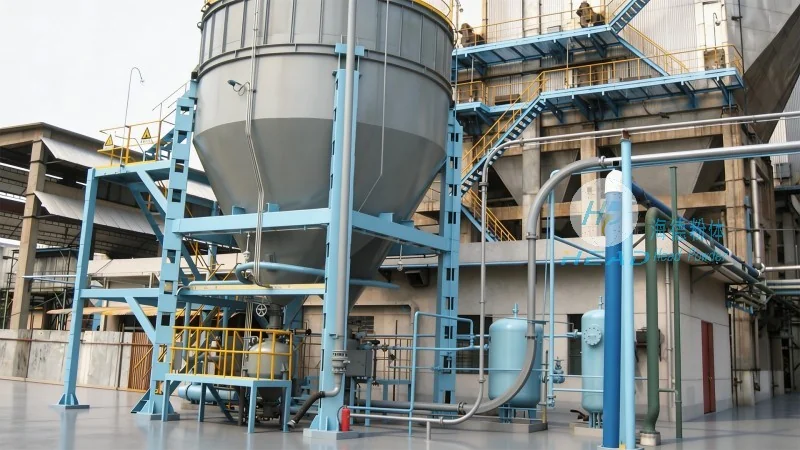
Positive Pressure Pneumatic Conveying Systems
Positive pressure systems operate by generating air pressure within the conveying line, which forces material to move from the inlet to the outlet. This method is particularly effective for conveying bulk materials over long distances or through complex network configurations. The system typically includes a blower or fan that supplies compressed air, ensuring consistent material flow. A key advantage of positive pressure is its ability to handle abrasive or corrosive materials without significant wear on the system components. Additionally, positive pressure systems can be designed to operate in both indoor and outdoor environments, making them versatile for various waste management applications.
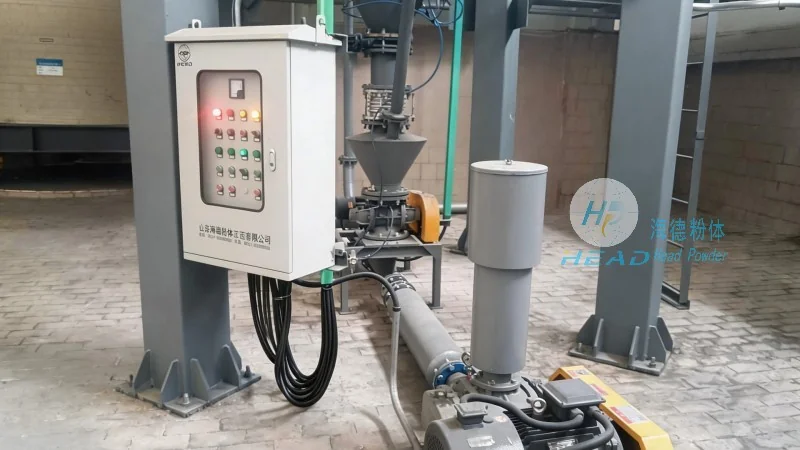
Negative Pressure Pneumatic Conveying Systems
Negative pressure systems, also known as vacuum conveying, work by creating a partial vacuum in the conveying line, which draws material from the source to the collection point. This approach is ideal for applications where dust control and material containment are critical, as the system operates under negative pressure, preventing emissions from escaping into the environment. Negative pressure systems are commonly used for conveying fine powders or granular materials that are sensitive to air exposure. They are also advantageous for short to medium distance conveying, as the vacuum pump can be sized appropriately for the required flow rate. However, negative pressure systems may face challenges with high moisture content or sticky materials, as these can lead to blockages or reduced efficiency.
Comparison of Positive and Negative Pressure Conveying
When evaluating the two methods, several factors must be considered to determine the optimal choice for a specific waste management scenario. The primary difference lies in the direction of air flow and the pressure differential. Positive pressure systems use external air pressure to push material, while negative pressure systems rely on suction to pull material. This fundamental distinction impacts the system's energy consumption, maintenance requirements, and environmental impact. Positive pressure systems generally consume more energy due to the need to generate high air pressure, but they offer higher conveying capacities and can handle larger particles. Conversely, negative pressure systems are more energy-efficient for short distances and are better suited for dust-sensitive materials. Another critical consideration is the system's ability to handle different material properties. Positive pressure is more effective for abrasive or heavy materials, whereas negative pressure excels in handling fine powders and preventing dust dispersion. Additionally, the layout of the conveying network influences the choice; positive pressure systems are preferred for complex, multi-point networks, while negative pressure is suitable for simpler, linear setups.
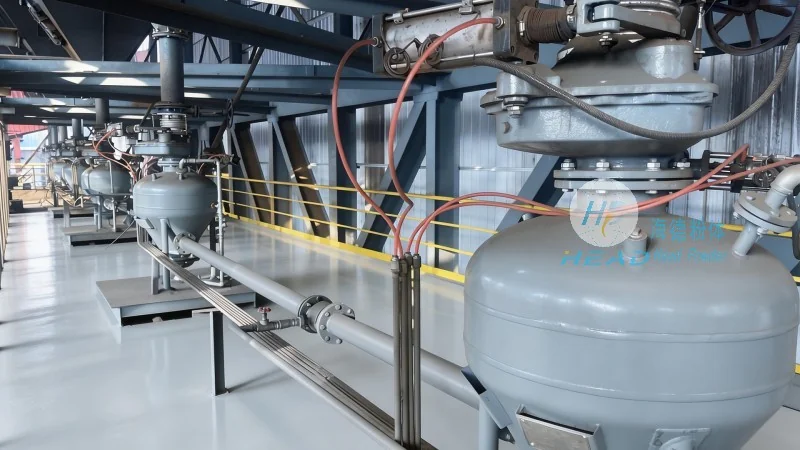
About Shandong HeadPowder Engineering Co., Ltd.
Shandong HeadPowder Engineering Co., Ltd. is a leading provider of advanced pneumatic conveying solutions, specializing in the design, manufacturing, and installation of systems tailored to the waste management industry. With a strong commitment to innovation and quality, the company has established itself as a trusted partner for clients seeking efficient and reliable waste handling solutions. HeadPowder's expertise lies in customizing systems to meet specific operational requirements, ensuring optimal performance and minimal downtime. The company's facilities are located in Shandong, China, where it leverages local resources and expertise to deliver high-quality products and services to a global clientele.




