When it comes to handling calcium hydroxide, a common industrial material used in various applications such as water treatment and construction, the choice of conveying method can significantly impact operational efficiency and safety. Pneumatic conveying offers a flexible solution, and among the most widely used approaches are positive pressure conveying and negative pressure conveying. This article provides a detailed comparison of these two methods, examining their mechanisms, advantages, disadvantages, and suitability for calcium hydroxide transportation.
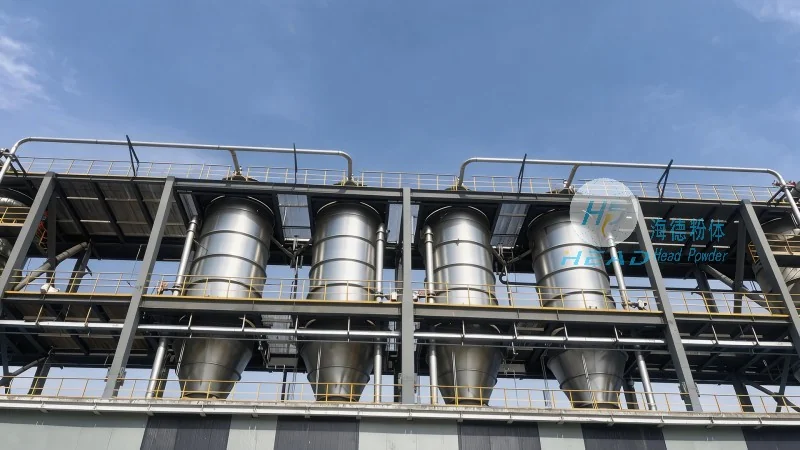
Understanding Positive Pressure Conveying
Positive pressure conveying, also known as pressure pneumatic conveying, operates by blowing air or a carrier gas into the conveying line under pressure. The material is fed into the system, and the pressurized air propels the particles forward. In the context of calcium hydroxide, this method ensures that the material is transported in a sealed system, minimizing exposure to external contaminants and reducing dust emissions. The positive pressure system typically uses a blower or compressor to generate the necessary pressure, which can range from low to high, depending on the distance and material characteristics.
One of the key advantages of positive pressure conveying is its ability to handle a wide range of material properties, including those with high moisture content or sticky characteristics. The pressurized environment helps to keep the material in a dry and free-flowing state, preventing clogging in the pipeline. Additionally, this method allows for the integration of multiple transfer points and can accommodate varying flow rates, making it suitable for complex production lines. However, the system requires robust sealing and maintenance to prevent air leaks, which could lead to energy inefficiency and safety hazards. The initial investment for positive pressure equipment, including blowers and high-pressure pipelines, is also generally higher compared to negative pressure systems.
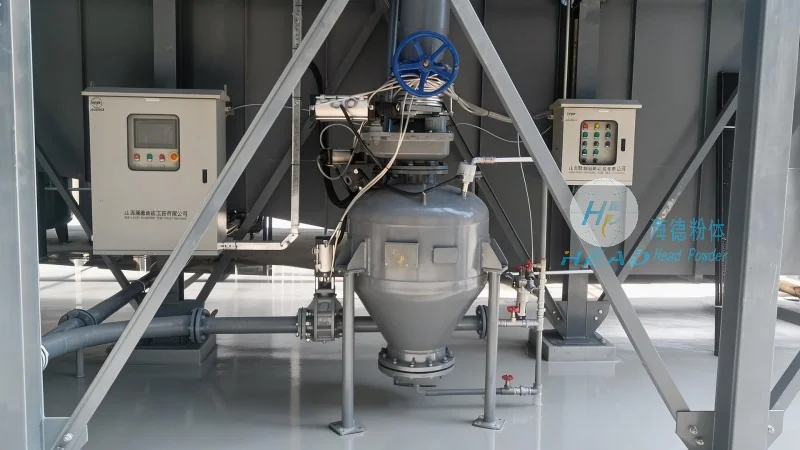
Exploring Negative Pressure Conveying
Negative pressure conveying, or vacuum pneumatic conveying, works by creating a vacuum in the conveying line, drawing the material and air mixture into the system. The material is typically fed from a hopper or silo, and the vacuum pulls the particles through the pipeline. For calcium hydroxide, this method is often preferred for applications where the material needs to be transported from a central storage to multiple points of use, as it can handle longer distances without significant pressure drops. The vacuum system uses a vacuum pump to create the negative pressure, which is generally more energy-efficient for shorter distances compared to high-pressure blowers.
A major benefit of negative pressure conveying is its lower initial cost and simpler setup. The equipment required, such as vacuum pumps and low-pressure pipelines, is often more affordable and easier to install. This method is particularly advantageous when the material is to be transported from a single source to several destinations, as it can distribute the material efficiently without the need for complex branching systems. However, negative pressure systems are more susceptible to dust and particle loss, as the vacuum can cause fine particles to escape from the system. This can lead to environmental issues and require additional filtration equipment. Furthermore, the system may not be as effective for handling materials with high moisture content or those that tend to clump together, as the vacuum may not provide enough force to maintain a consistent flow.
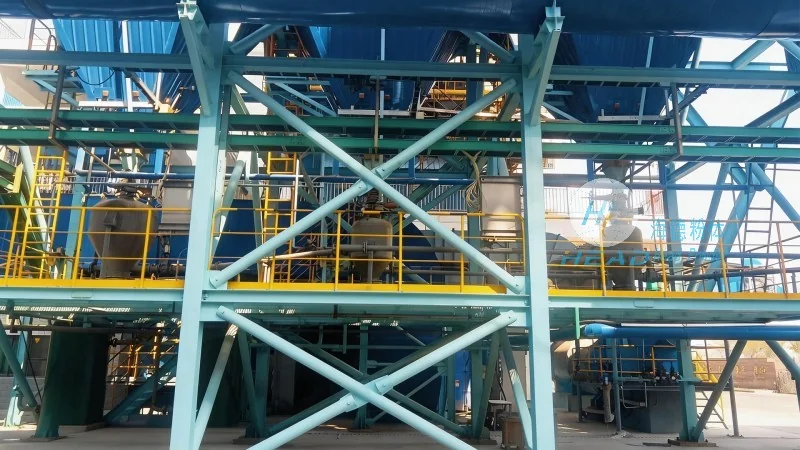
Comparative Analysis: Positive vs. Negative Pressure Conveying
When comparing positive and negative pressure conveying for calcium hydroxide, several factors must be considered to determine the most suitable option. The primary consideration is the distance and layout of the conveying system. Positive pressure is generally more suitable for shorter distances or when the material needs to be transported in a closed loop, as the pressure can maintain a consistent flow over longer runs. Negative pressure is better suited for longer distances or when the material is to be distributed from a central point to multiple locations, as the vacuum can effectively pull the material over greater distances without significant pressure loss.
Another critical factor is the material characteristics of calcium hydroxide. Positive pressure conveying is ideal for handling materials with high moisture content or those that are prone to clumping, as the pressurized air helps to keep the particles dry and free-flowing. Negative pressure, on the other hand, may struggle with such materials, as the vacuum may not provide enough force to break up clumps or maintain a consistent flow. Additionally, the environmental impact and safety considerations play a role in the choice of system. Positive pressure systems are generally more enclosed, reducing dust emissions and providing better safety for operators. Negative pressure systems, while less expensive, may require additional dust collection equipment to comply with environmental regulations.
Energy consumption is also a significant factor. Positive pressure systems typically consume more energy due to the high-pressure blowers required, especially for longer distances or larger volumes. Negative pressure systems, using vacuum pumps, are generally more energy-efficient for shorter distances. However, the overall energy cost may vary depending on the specific application and system design. Maintenance and operational costs are also important considerations. Positive pressure systems may require more frequent maintenance of the blower and seals to prevent air leaks and ensure efficient operation. Negative pressure systems, with simpler components, may have lower maintenance costs but could incur higher costs for dust collection and filtration.
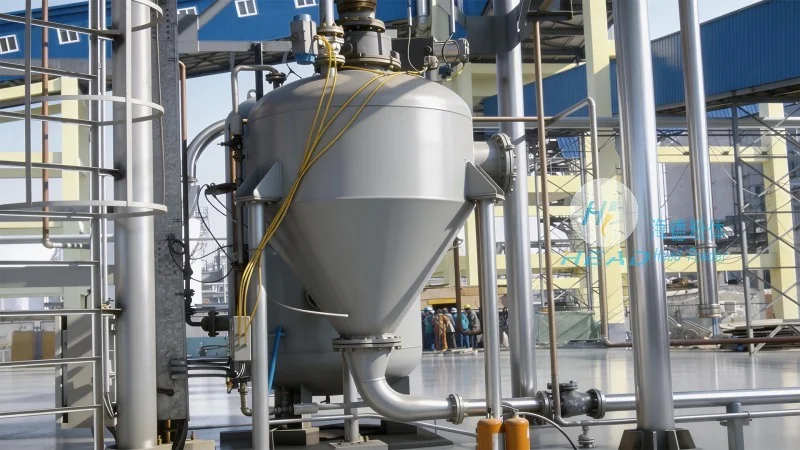
Conclusion and Recommendations
Both positive pressure and negative pressure conveying methods have their own advantages and are suitable for different applications in the handling of calcium hydroxide. The choice between the two depends on several factors, including the distance of the conveying line, the material properties, the required flow rate, and the overall cost considerations. For applications requiring efficient, dust-free transportation over shorter distances or with materials that are prone to clumping, positive pressure conveying is often the preferred choice. For longer distance distribution from a central point or when cost is a primary concern, negative pressure conveying may be more appropriate.
Shandong HeadPowder Engineering Co., Ltd., a leading provider of material handling solutions, specializes in designing and implementing pneumatic conveying systems tailored to the specific needs of calcium hydroxide and other industrial materials. With years of experience in the industry, the company offers comprehensive solutions that balance efficiency, safety, and cost-effectiveness. Whether you are considering a positive or negative pressure system, HeadPowder's expertise ensures that your material handling needs are met with the most suitable and reliable technology.




