The industrial salt industry relies heavily on efficient material handling systems to ensure smooth operations from production to storage and distribution. Pneumatic conveying systems have emerged as a critical technology for transporting bulk industrial salt, offering advantages such as reduced labor costs, improved safety, and enhanced process control. This article provides a technical analysis of two primary pneumatic conveying modes—positive pressure and negative pressure—and compares their suitability for industrial salt applications.
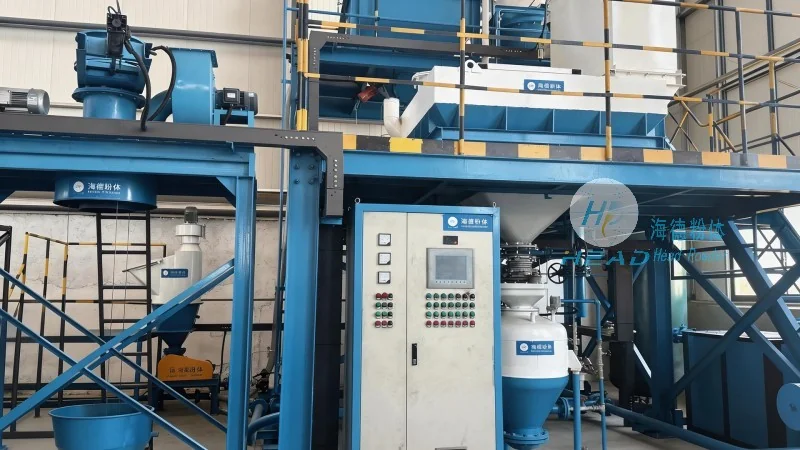
Positive Pressure Conveying Mode: Principles and Applications
Positive pressure conveying operates by blowing air or gas into the conveying line, creating a pressure higher than the ambient air pressure. The material is then carried through the pipeline by the force of the moving air stream. This mode is particularly effective for transporting industrial salt over long distances or through complex network systems. The system typically includes a blower, a hopper, and a series of pipelines. The positive pressure ensures that the material is continuously pushed forward, minimizing the risk of blockages and ensuring consistent flow rates. For industrial salt, which can be abrasive and have varying particle sizes, positive pressure systems are designed with robust components to withstand the mechanical stress and prevent wear.
Negative Pressure Conveying Mode: Principles and Applications
In contrast, negative pressure conveying works by creating a vacuum in the conveying line, drawing the material and air mixture into the system. The material is then transported by the suction force generated by the vacuum. This mode is often preferred for applications where the material needs to be conveyed from a source to a destination without exposing the material to high pressure or where the material is sensitive to pressure changes. Negative pressure systems are typically used for shorter distances or in environments where dust control is a priority. The system includes a vacuum pump, a hopper, and a collection point. The vacuum is maintained by the pump, which continuously draws air and material into the pipeline. For industrial salt, negative pressure systems are designed to handle fine particles and prevent dust emissions, ensuring compliance with environmental regulations.
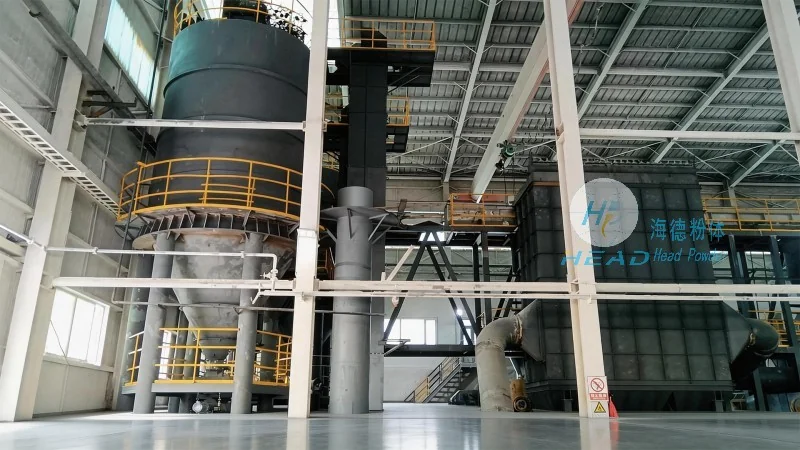
Comparison of Positive and Negative Pressure Conveying Modes for Industrial Salt
When selecting a pneumatic conveying system for industrial salt, it is essential to evaluate the specific requirements of the application, including the distance, material characteristics, and operational environment. Positive pressure systems excel in long-distance transport and complex network configurations, offering higher flow rates and better control over material movement. However, they may require more maintenance due to the higher pressure and potential for wear on components. Negative pressure systems are more suitable for shorter distances and applications where dust control is critical, as the vacuum helps to contain particles and reduce emissions. They are also generally quieter and less likely to cause pressure-related issues. The choice between the two modes depends on factors such as the scale of the operation, the type of industrial salt (e.g., coarse or fine granules), and the available infrastructure.
Technical Advantages and Practical Considerations
Both positive and negative pressure conveying modes offer distinct technical advantages for industrial salt applications. Positive pressure systems provide higher efficiency for long-distance transport, making them ideal for large-scale industrial operations. They are also more reliable in terms of maintaining consistent flow rates, which is crucial for maintaining production schedules. Negative pressure systems, on the other hand, offer better dust control and are more suitable for applications where environmental compliance is a priority. They are also less likely to cause damage to the material due to the lower pressure environment.
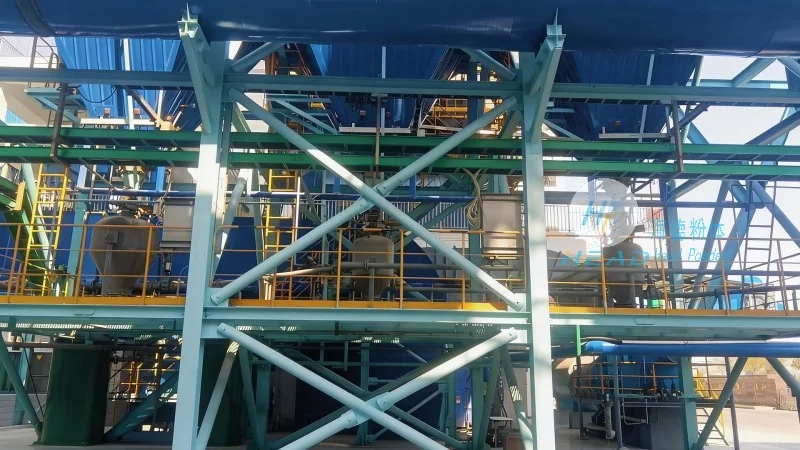
Practical considerations for implementing either system include the initial investment cost, operational maintenance, and the availability of space for equipment installation. Positive pressure systems may require more extensive infrastructure, including larger blowers and more robust pipelines, which can increase the upfront cost. However, their long-term efficiency and reliability can offset these initial expenses. Negative pressure systems are generally more compact and require less space, making them suitable for facilities with limited room. The choice of system also depends on the local regulations and environmental standards, as some regions may have stricter requirements for dust control.
Company Profile: Shandong HeadPowder Engineering Co., Ltd.
Shandong HeadPowder Engineering Co., Ltd., commonly known as HeadPowder, is a leading provider of industrial material handling solutions, including pneumatic conveying systems for bulk materials like industrial salt. With a strong focus on innovation and customer-centric design, HeadPowder has developed advanced technologies to meet the diverse needs of the industrial salt industry. The company's expertise lies in customizing pneumatic conveying systems to match specific operational requirements, ensuring optimal performance and efficiency. HeadPowder's commitment to quality and reliability has made it a trusted partner for many industrial salt producers, helping them to enhance their production processes and improve overall operational efficiency.




