

Inorganic Salt Crystal Pneumatic Conveying: Choosing Between Positive and Negative Pressure - How to
When it comes to transporting inorganic salt crystals, selecting the right pneumatic conveying system is crucial for efficiency, cost-effectiveness, and operational safety. The two primary methods—positive pressure and negative pressure—each offer distinct advantages and are suited to different scenarios. Understanding the differences between these systems is essential for making an informed decision that aligns with your specific process requirements.
Understanding Pneumatic Conveying Systems for Inorganic Salt Crystals
Pneumatic conveying is a method of transporting bulk materials like inorganic salt crystals through a pipeline using air or gas as the conveying medium. This technology eliminates the need for mechanical components such as belts, buckets, or screws, reducing maintenance and wear. The choice between positive and negative pressure systems depends on factors like material properties, distance, and the need for product containment.
Positive Pressure Pneumatic Conveying
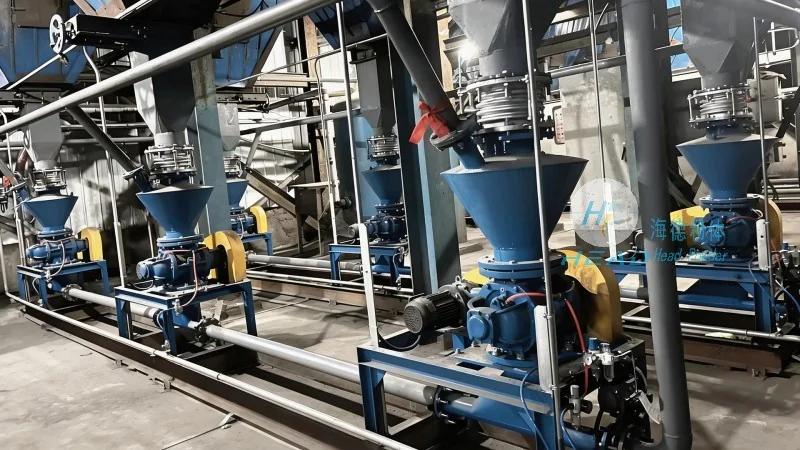
Positive pressure systems operate by blowing air or gas into the conveying line, creating a pressure higher than the ambient air. This method is ideal for transporting materials over longer distances or through complex piping networks. The high pressure ensures that the material is propelled efficiently through the system, minimizing the risk of blockages. For inorganic salt crystals, positive pressure is often preferred when dealing with abrasive or corrosive materials, as it can handle higher flow rates and maintain product integrity.
HeadPowder, a leading provider of pneumatic conveying solutions, specializes in designing positive pressure systems tailored to the unique needs of inorganic salt crystal applications. Our engineers work closely with clients to assess factors such as material density, particle size, and required conveying distance to recommend the most suitable equipment. By leveraging advanced engineering and quality materials, our systems ensure reliable performance and minimal downtime.
Negative Pressure Pneumatic Conveying
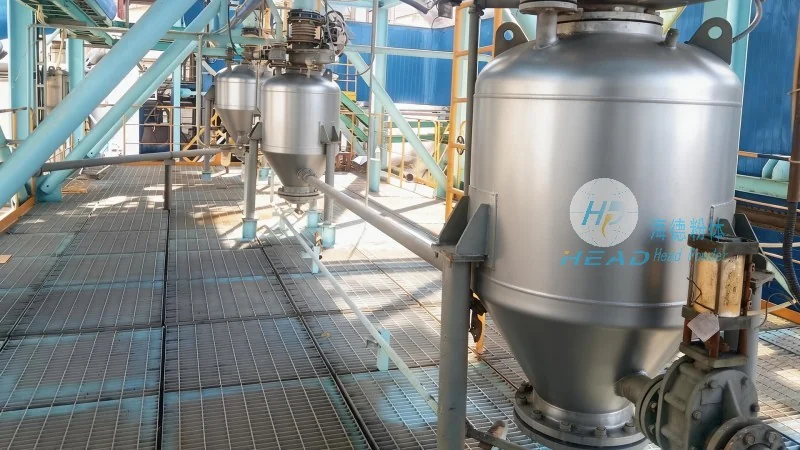
Negative pressure systems, also known as vacuum or suction systems, operate by creating a vacuum in the conveying line, drawing material from the source into the system. This method is typically used for shorter distances or when the material needs to be collected from multiple points. Negative pressure is advantageous when dealing with materials that are sensitive to pressure or when the process requires a closed environment to prevent dust emissions. For inorganic salt crystals, negative pressure systems are often chosen for applications where product containment is critical, such as in pharmaceutical or food processing industries.
HeadPowder also offers negative pressure solutions that meet stringent safety and environmental standards. Our vacuum systems are designed to handle fine powders and crystals while maintaining low air consumption, reducing operational costs. The compact design of our negative pressure units makes them suitable for installations with limited space, and the advanced filtration systems ensure that the material is conveyed without releasing dust into the environment.
Distinguishing Between Positive and Negative Pressure Systems
Several key factors help in distinguishing between positive and negative pressure pneumatic conveying systems. The first is the conveying distance: positive pressure is generally more effective for longer distances, while negative pressure is better for shorter runs. The second is the material properties: abrasive or heavy materials are better suited to positive pressure, whereas delicate or fine powders may require negative pressure to avoid damage. The third is the need for product containment: negative pressure systems excel in applications where dust control is essential, whereas positive pressure can be used in open environments with proper dust suppression measures.
HeadPowder’s team of experts conducts thorough assessments to evaluate these factors and recommend the optimal system. We consider the specific characteristics of the inorganic salt crystals, such as their size, shape, and moisture content, to ensure that the chosen system delivers consistent performance. Our solutions are backed by rigorous testing and compliance with industry standards, providing clients with confidence in their investment.
Conclusion and Company Overview
Choosing between positive and negative pressure pneumatic conveying for inorganic salt crystals requires a careful evaluation of operational needs and material characteristics. HeadPowder Engineering Co., Ltd., based in Shandong, China, is a trusted partner in providing customized pneumatic conveying solutions. With years of experience and a commitment to quality, we help clients optimize their material handling processes, reduce costs, and enhance operational efficiency. Whether you need a positive pressure system for long-distance transport or a negative pressure solution for dust control, HeadPowder offers reliable, efficient, and cost-effective options tailored to your unique requirements.