

Choosing Between Positive Pressure and Negative Pressure for BaSO4 Precipitate Pneumatic Conveying:
When it comes to the pneumatic conveying of barium sulfate precipitate, selecting the right system—whether positive pressure or negative pressure—is crucial for efficiency, cost-effectiveness, and operational safety. This article from Shandong HeadPowder Engineering Co., Ltd. (headpowder) provides a detailed comparison to help you make an informed decision.
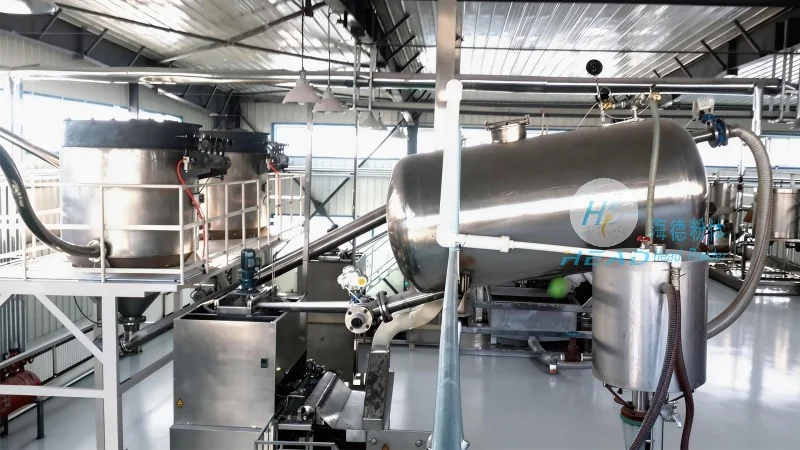
Understanding Pneumatic Conveying Systems
Pneumatic conveying is a method of transporting bulk materials through a pipeline using air or gas as the conveying medium. It is widely used in industries such as chemical processing, pharmaceuticals, and mining due to its ability to handle fine powders like barium sulfate precipitate. The two primary types of pneumatic conveying systems are positive pressure and negative pressure, each with distinct characteristics and applications.
Positive Pressure Pneumatic Conveying
Positive pressure systems operate by blowing air or gas into the conveying line, creating a pressure higher than the ambient air pressure. This method is often referred to as "blow-through" or "pressure-fed" conveying. In a positive pressure system, the material is drawn into the pipeline by the moving air stream, which then transports it to the destination. This approach is particularly effective for transporting materials over long distances or through complex pipe networks.
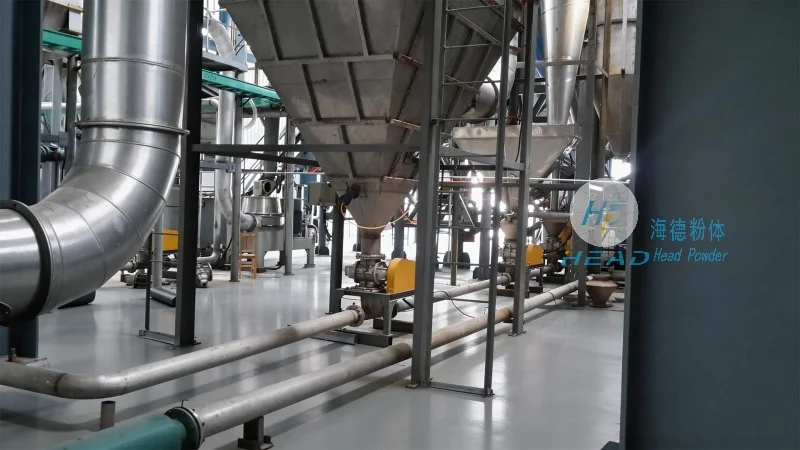
For barium sulfate precipitate, positive pressure conveying offers several advantages. First, it can handle high volumes of material efficiently, making it suitable for large-scale production facilities. Second, the system is less prone to blockages compared to negative pressure systems, as the air flow continuously pushes the material through the pipeline. Additionally, positive pressure systems are generally easier to maintain and repair, as they do not require complex vacuum equipment.
Negative Pressure Pneumatic Conveying
Negative pressure systems, also known as "suction" or "vacuum" conveying, operate by creating a vacuum in the conveying line, which draws the material into the pipeline. The air and material mixture is then transported to the collection point. This method is often used for short-distance or low-volume applications, as the vacuum can be less effective over longer distances or with high-density materials.
In the context of barium sulfate precipitate, negative pressure conveying has its own set of benefits. It is typically more energy-efficient for short runs, as it does not require high-pressure air compressors. Additionally, the system can be used to collect material from multiple sources, as the vacuum can pull material from various points into a single collection point. However, negative pressure systems are more susceptible to blockages and require more maintenance due to the need for vacuum pumps and filters.
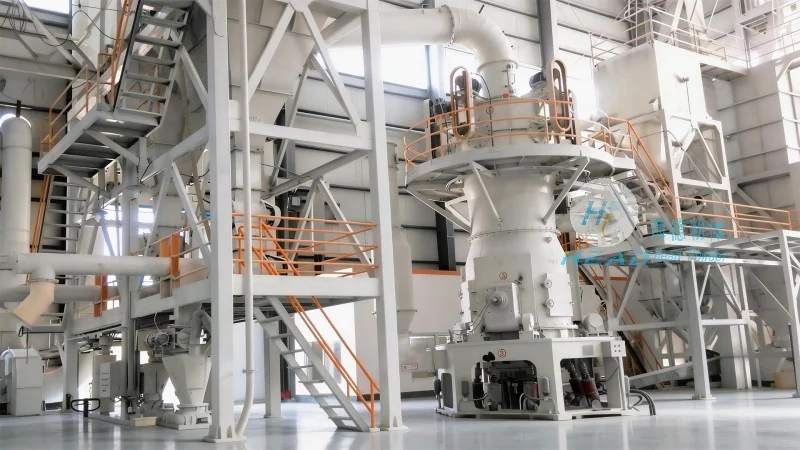
Key Factors to Consider When Choosing a System
When deciding between positive and negative pressure pneumatic conveying for barium sulfate precipitate, several factors must be considered. These include the distance of the conveying line, the volume of material to be transported, the material's properties (such as particle size, density, and moisture content), and the overall cost of the system.
For example, if the barium sulfate precipitate needs to be transported over a long distance or through a complex network of pipes, a positive pressure system is likely the better choice due to its efficiency and ability to handle high volumes without blockages. Conversely, if the application involves short-distance transport from multiple points to a central collection point, a negative pressure system may be more suitable due to its energy efficiency and ability to handle smaller volumes.
How to Distinguish Between the Two Systems
Distinguishing between positive and negative pressure pneumatic conveying systems can be done by observing the pressure differentials and the direction of air flow. In a positive pressure system, the pressure inside the pipeline is higher than the ambient air pressure, and air is blown into the system. In a negative pressure system, the pressure inside the pipeline is lower than the ambient air pressure, and air is drawn out of the system.
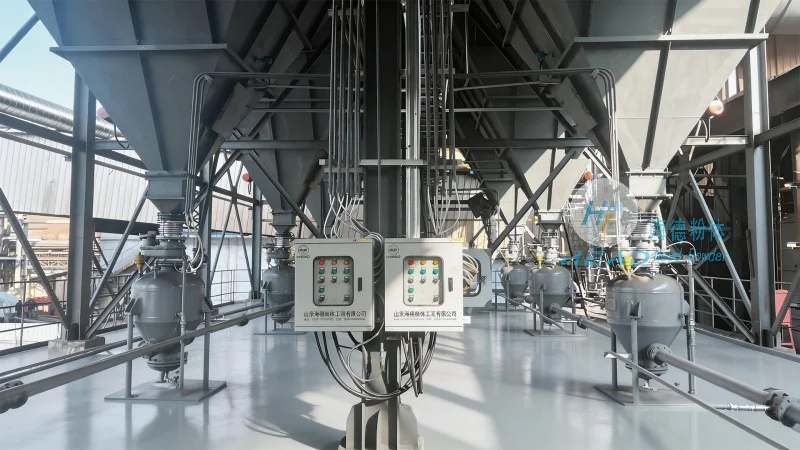
Another way to differentiate the two is by the equipment used. Positive pressure systems typically include high-pressure air compressors and blowers, while negative pressure systems use vacuum pumps and suction fans. Additionally, the material handling equipment, such as feeders and cyclones, may differ between the two systems. For instance, positive pressure systems often use pressure feeders, while negative pressure systems may use vacuum feeders.
Conclusion
Choosing the right pneumatic conveying system for barium sulfate precipitate is essential for optimizing operational performance and minimizing costs. By understanding the characteristics of positive and negative pressure systems and considering the specific requirements of your application, you can select the most suitable system for your needs. Shandong HeadPowder Engineering Co., Ltd. specializes in providing customized pneumatic conveying solutions tailored to the unique needs of each client, ensuring efficient and reliable material transport.