

Selecting Positive Pressure vs. Negative Pressure for Melamine Powder Pneumatic Conveying: How to Di
Melamine powder, a key raw material in various industrial applications, requires efficient and reliable material handling solutions. Pneumatic conveying is a widely adopted method for transporting such powders due to its ability to handle fine particles and minimize contamination. However, the choice between positive pressure and negative pressure systems is critical, as each has distinct advantages and limitations. This article explores the differences between positive and negative pressure pneumatic conveying for melamine powder, helping users make an informed decision based on their specific operational needs.
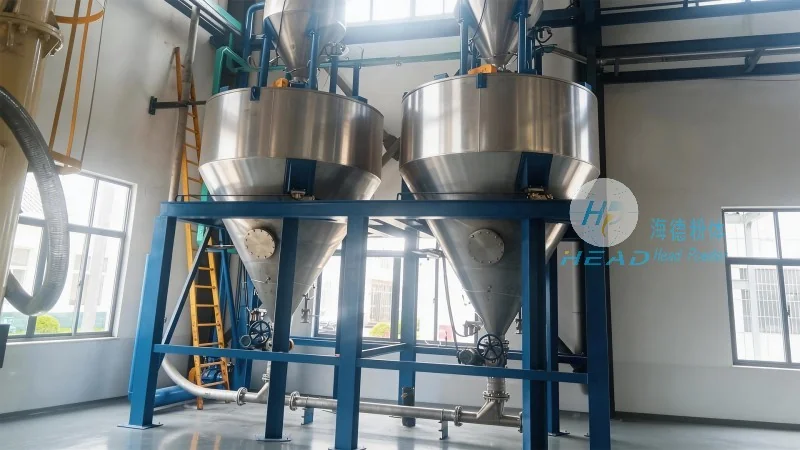
Understanding Positive Pressure Pneumatic Conveying
Positive pressure pneumatic conveying systems operate by blowing air or gas into the conveying line, creating a pressure higher than the ambient environment. This method is particularly effective for transporting melamine powder over short to medium distances, typically up to several hundred meters. The high-pressure air forces the powder particles through the pipeline, ensuring consistent flow and preventing blockages. One of the primary benefits of positive pressure systems is their ability to handle abrasive or corrosive materials, as the high-pressure air can effectively dislodge particles from the pipe walls. Additionally, these systems are generally more suitable for applications where the receiving end is at a higher elevation than the source, as the positive pressure can help overcome gravitational resistance.
Key Features of Positive Pressure Conveying for Melamine Powder
When considering positive pressure pneumatic conveying for melamine powder, several key features should be evaluated. First, the system's capacity and flow rate are critical, as they determine the volume of powder that can be transported per unit time. For high-throughput applications, such as large-scale production lines, positive pressure systems often provide higher throughput rates compared to negative pressure systems. Another important factor is the energy consumption, as positive pressure systems typically require more power to generate the necessary air pressure. However, advancements in compressor technology have led to more energy-efficient solutions, reducing operational costs over time. Furthermore, positive pressure systems are generally more suitable for applications where the powder is sensitive to moisture or contamination, as the sealed pipeline prevents external air from entering and affecting the material quality.
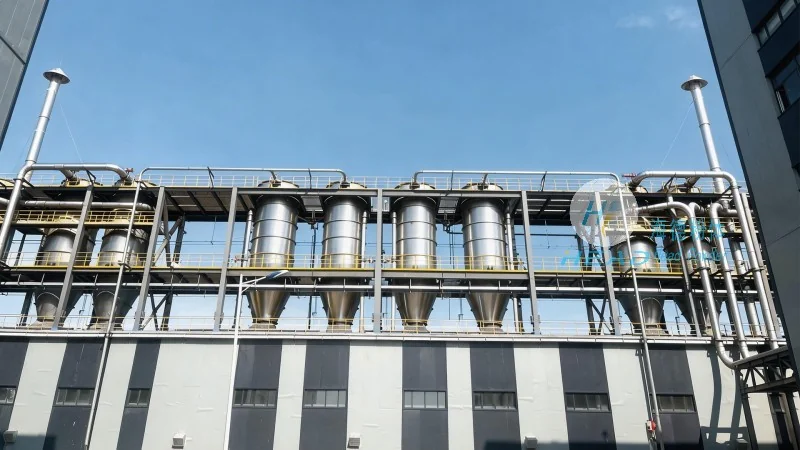
Understanding Negative Pressure Pneumatic Conveying
Negative pressure pneumatic conveying, also known as suction or vacuum conveying, operates by creating a vacuum in the conveying line, drawing the melamine powder from the source to the receiver. This method is ideal for transporting powders over longer distances, typically up to several kilometers, and is particularly effective when the receiving end is at a lower elevation than the source. The vacuum created by the system pulls the powder particles through the pipeline, ensuring a consistent flow. One of the main advantages of negative pressure systems is their ability to handle fine or cohesive powders, as the low-pressure environment reduces particle agglomeration and improves flow characteristics. Additionally, these systems are generally more suitable for applications where the source material is located in a confined space or requires minimal disturbance, as the suction process can be performed without direct contact with the material.
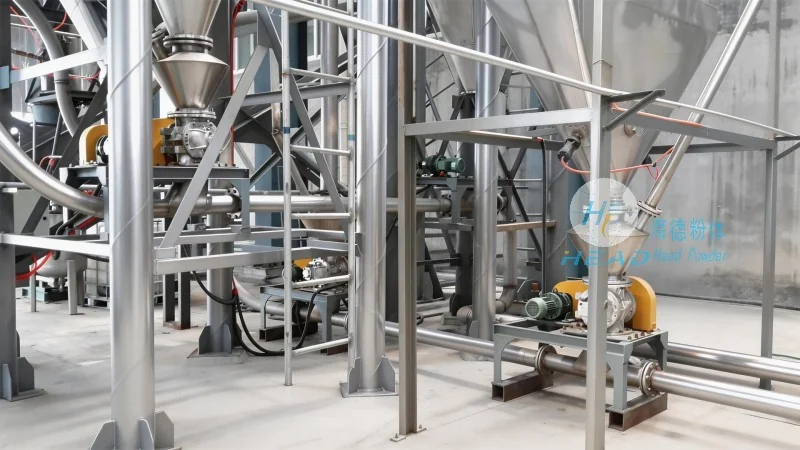
Key Features of Negative Pressure Conveying for Melamine Powder
When evaluating negative pressure pneumatic conveying for melamine powder, several key features are important to consider. The system's suction capacity and vacuum level are critical, as they determine the ability to draw powder from the source. For applications involving large quantities of fine powder, negative pressure systems may require multiple suction points or larger vacuum pumps to maintain consistent flow. Another important factor is the system's ability to handle dust and particulate matter, as negative pressure systems can generate higher dust levels compared to positive pressure systems. However, proper filtration and maintenance can mitigate these issues. Furthermore, negative pressure systems are generally more suitable for applications where the powder is sensitive to pressure changes or where the receiving end requires a lower pressure environment, as the vacuum process maintains a lower pressure throughout the pipeline.
Distinguishing Between Positive and Negative Pressure Systems
How can one distinguish between positive and negative pressure pneumatic conveying systems for melamine powder? The primary difference lies in the direction of air flow and the pressure differential. Positive pressure systems use compressed air to push the powder, while negative pressure systems use vacuum to pull the powder. This fundamental difference affects the system's design, maintenance, and operational requirements. For example, positive pressure systems typically require more robust piping and seals to prevent air leakage, as the high-pressure air can cause significant pressure differentials. In contrast, negative pressure systems require more effective filtration to prevent dust accumulation and maintain vacuum levels. Additionally, the choice between the two systems depends on the specific operational conditions, such as the distance between the source and receiver, the elevation difference, and the material's physical properties. A thorough analysis of these factors is essential to select the most appropriate system for melamine powder handling.