

What is Sodium Nitrate Pneumatic Conveying? Classification and Applications of Pneumatic Conveying
Understanding the principles and applications of pneumatic conveying systems is crucial for industries dealing with bulk materials, particularly when handling substances like sodium nitrate. This article explores the concept of sodium nitrate pneumatic conveying, outlines the different classifications of such systems, and highlights their practical applications in various industrial settings.
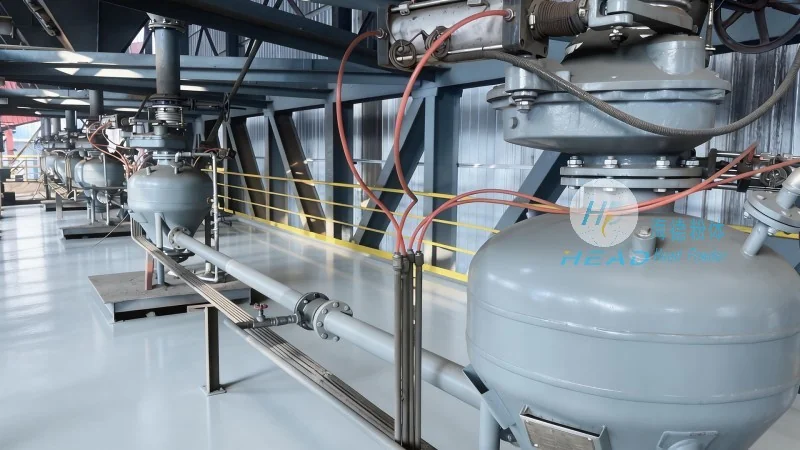
Introduction to Pneumatic Conveying and Sodium Nitrate
Pneumatic conveying, also known as pneumatic transport, is a method of transporting bulk materials through a pipeline using air or other gases as the conveying medium. This technology is widely used in industries such as chemical processing, food processing, and pharmaceuticals due to its ability to handle a wide range of materials efficiently and safely. Sodium nitrate, a common inorganic salt used in fertilizers, explosives, and food preservation, is often transported using pneumatic systems due to its granular or powdery form and the need for controlled, dust-free handling.
Types of Pneumatic Conveying Systems
There are primarily two types of pneumatic conveying systems: dilute-phase and dense-phase. Dilute-phase systems operate at relatively low pressure and high velocity, where the material is suspended in the air stream and travels through the pipeline. Dense-phase systems, on the other hand, use higher pressure and lower velocity, where the material is carried in a slurry-like state, often with the aid of a carrier gas or fluid. For sodium nitrate, the choice between these systems depends on factors such as the material's properties, the distance to be conveyed, and the required handling efficiency.
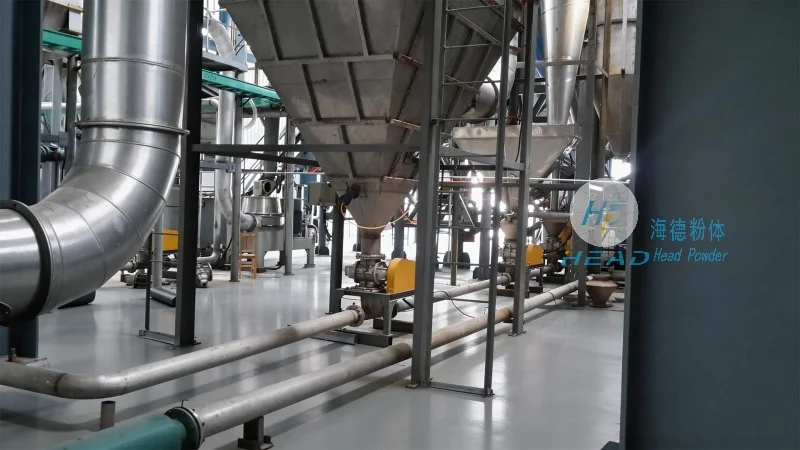
Key Applications of Sodium Nitrate Pneumatic Conveying
The applications of sodium nitrate pneumatic conveying span multiple sectors. In the agricultural industry, it is used to transport sodium nitrate as a fertilizer component to farms and processing plants. In the chemical industry, it is employed in the production of other nitrogen-based compounds, where precise material handling is essential to maintain product quality and safety. Additionally, in the food industry, sodium nitrate is used as a preservative and curing agent, and pneumatic conveying ensures hygienic and efficient transfer from storage to processing equipment.
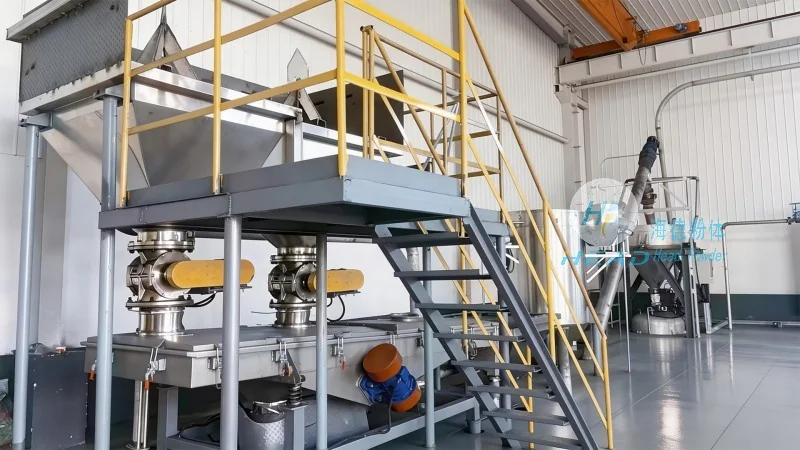
Benefits of Using Pneumatic Conveying for Sodium Nitrate
Implementing pneumatic conveying systems for sodium nitrate offers several advantages. These include reduced labor costs due to automated material handling, improved safety by minimizing dust exposure and handling risks, and enhanced product quality through controlled and dust-free transfer. The systems also allow for flexible and scalable operations, accommodating varying production volumes and material flow rates. Furthermore, the use of pneumatic conveying can reduce the need for additional equipment like elevators or conveyors, streamlining the overall material handling process.
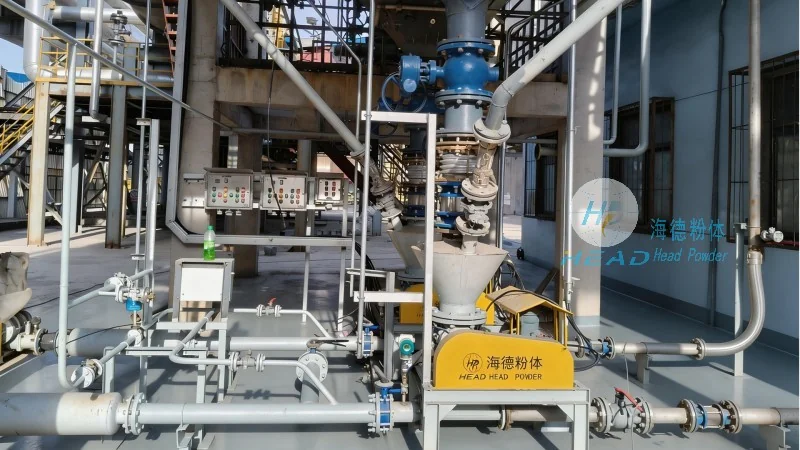
Considerations for Selecting a Pneumatic Conveying System for Sodium Nitrate
When selecting a pneumatic conveying system for sodium nitrate, several factors must be considered. The material's physical properties, such as particle size, moisture content, and flowability, are critical in determining the appropriate system type and design. The distance and elevation changes between the source and destination of the material also influence the system's configuration, including the required pressure and air volume. Additionally, the need for dust control and environmental compliance must be addressed, often through the use of filtration systems and proper ventilation. The choice of system also depends on the budget and operational requirements of the facility, with options ranging from simple low-pressure systems to complex high-pressure, multi-stage setups.
Conclusion
Pneumatic conveying is a vital technology for the efficient and safe handling of sodium nitrate in various industrial applications. By understanding the different types of pneumatic systems and their applications, industries can optimize their material handling processes, improve operational efficiency, and ensure compliance with safety and environmental standards. As a leader in engineering solutions for bulk material handling, Shandong HeadPowder Engineering Co., Ltd. specializes in designing and implementing customized pneumatic conveying systems tailored to the specific needs of clients, including those handling sodium nitrate and other challenging materials.