

What is Coffee Powder Pneumatic Conveying? Classification and Applications of Pneumatic Conveying
Coffee powder pneumatic conveying is a method used to transport coffee powder and other fine powders through a pipeline using air as the conveying medium. This technology is widely adopted in the coffee processing industry due to its efficiency and ability to handle delicate materials without causing degradation or contamination. The process involves creating a flow of air within a closed system, which carries the coffee powder particles from the source to the destination. Understanding the principles and applications of this technology is crucial for optimizing coffee production and handling processes.
Understanding Pneumatic Conveying Systems
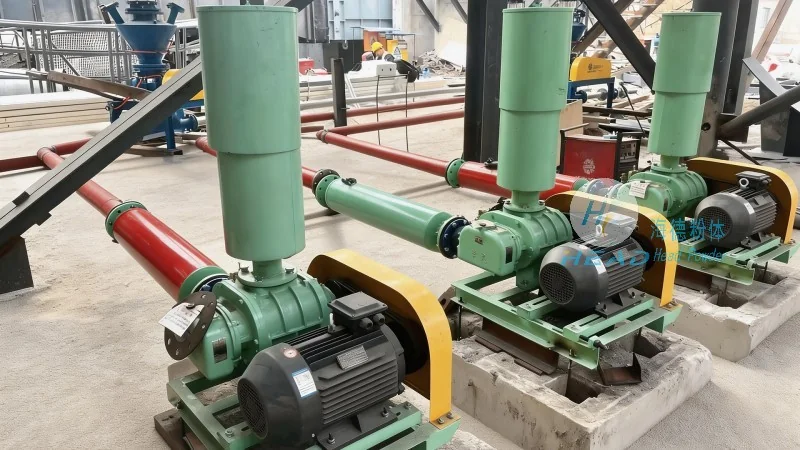
Pneumatic conveying systems are designed to transport bulk materials like coffee powder through a network of pipes. These systems can be categorized based on the direction of air flow and the pressure used. The two primary types are pressure and vacuum systems. Pressure systems use compressed air to push the material through the pipeline, while vacuum systems use a vacuum to pull the material. Each type has its own advantages and is suited for different operational requirements. For instance, pressure systems are often preferred for long-distance or high-volume transport due to their higher efficiency and ability to handle abrasive materials. Vacuum systems, on the other hand, are ideal for short-distance transport or when the material needs to be collected from multiple sources.
Types of Pneumatic Conveying for Coffee Powder
There are several classifications of pneumatic conveying systems tailored for coffee powder applications. The most common types include dilute phase and dense phase systems. Dilute phase systems operate at low pressure and high air-to-material ratios, making them suitable for short to medium distances. They are efficient for transporting fine powders like coffee without causing excessive wear on the equipment. Dense phase systems, conversely, operate at higher pressure and lower air-to-material ratios, which allows for a more controlled and gentle transport of the material. This method is particularly beneficial for handling sensitive coffee powders that require minimal agitation to prevent clumping or degradation. Additionally, there are hybrid systems that combine elements of both dilute and dense phase operations, offering flexibility in handling varying material characteristics and operational needs.
Applications of Pneumatic Conveying in Coffee Processing
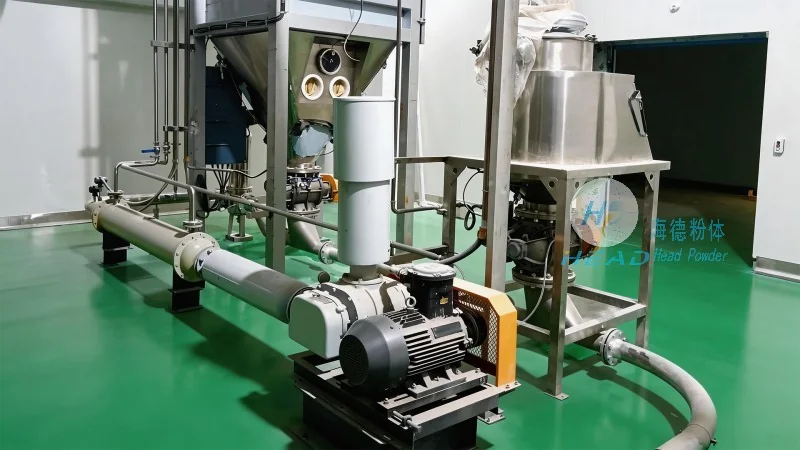
The application of pneumatic conveying in coffee processing spans various stages, from raw material handling to final product packaging. In the initial stages, coffee beans are ground into powder, and pneumatic conveying systems efficiently transport the freshly ground coffee from the grinding units to storage silos or processing lines. This method ensures that the coffee powder remains free from contamination and maintains its quality during transport. During the blending process, different coffee varieties can be mixed using pneumatic conveying to achieve consistent flavor profiles. The technology also plays a role in the packaging stage, where coffee powder is conveyed from storage to filling machines, ensuring precise and hygienic filling of bags or containers. Furthermore, pneumatic conveying systems are used in quality control processes, such as sampling and testing, where small quantities of coffee powder are transported to laboratory equipment for analysis. This ensures that the final product meets the required standards and maintains the integrity of the coffee's flavor and aroma.
Advantages of Using Pneumatic Conveying for Coffee Powder
Implementing pneumatic conveying systems for coffee powder offers numerous advantages that enhance operational efficiency and product quality. One of the key benefits is the ability to handle delicate and fine materials without causing degradation. Unlike mechanical conveyors, which may cause friction and breakage, pneumatic systems use air to gently transport the particles, preserving the coffee's aroma and flavor. This is particularly important for specialty coffees that require careful handling to maintain their unique characteristics. Another advantage is the hygienic nature of pneumatic conveying. The closed system design prevents contamination from external sources, ensuring that the coffee powder remains clean and safe for consumption. This is critical in food processing industries where compliance with hygiene standards is mandatory. Additionally, pneumatic systems offer flexibility in terms of layout and integration with existing production lines. They can be easily adapted to different facility configurations and can transport materials over long distances with minimal maintenance. The energy efficiency of these systems is also a significant advantage, as they can reduce operational costs compared to traditional methods like bucket elevators or belt conveyors.
Considerations for Implementing Pneumatic Conveying Systems
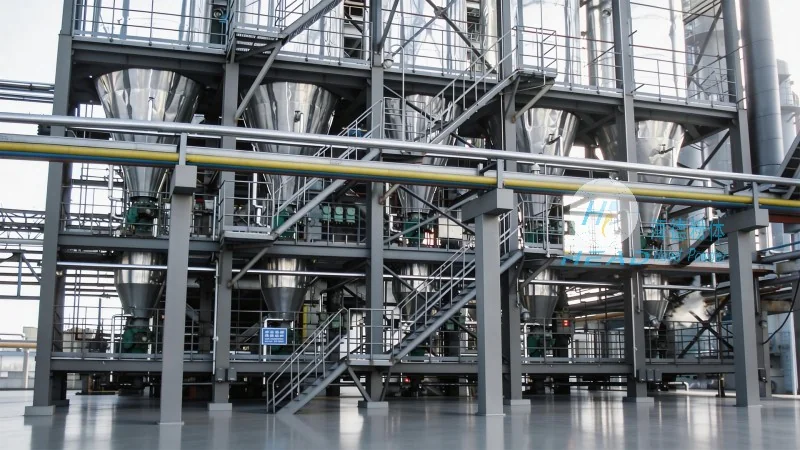
When considering the implementation of pneumatic conveying systems for coffee powder, several factors need to be evaluated to ensure optimal performance and cost-effectiveness. The first consideration is the material characteristics of the coffee powder, such as particle size, moisture content, and flowability. These properties influence the choice of system type and operating parameters. For example, highly abrasive or sticky powders may require specialized equipment to prevent clogging and wear. The distance and volume of material to be transported are also critical factors. Long-distance or high-volume transport may necessitate the use of pressure systems with larger pipe diameters and higher air pressures. The system's integration with existing infrastructure, including storage and processing equipment, is another important consideration. Compatibility with current production lines and the ability to scale the system for future expansion are key aspects to evaluate. Additionally, the cost of installation, maintenance, and energy consumption should be assessed to determine the overall economic viability of the system. Proper sizing of the air compressor and pipeline design is essential to avoid energy waste and ensure efficient operation. Regular maintenance, such as cleaning and inspecting the system components, is also necessary to prevent downtime and maintain performance.
Conclusion
Pneumatic conveying is a vital technology in the coffee processing industry, enabling efficient and hygienic transport of coffee powder. By understanding the different classifications and applications of pneumatic conveying systems, coffee producers can optimize their operations and maintain the quality of their products. The choice of system type, whether pressure or vacuum, dilute or dense phase, depends on the specific requirements of the coffee processing facility. Implementing the right pneumatic conveying system not only enhances operational efficiency but also ensures that the coffee powder is handled with care, preserving its flavor, aroma, and quality. As the coffee industry continues to evolve, the adoption of advanced pneumatic conveying technologies will remain crucial for meeting the demands of quality and efficiency in coffee production.