Waste pneumatic conveying is a specialized method of material handling that utilizes air or gas to transport solid particles or waste materials from one location to another. This technology is particularly effective for handling bulk materials, including various types of waste, in industrial and municipal settings. The process involves creating a flow of air through a pipeline, which carries the waste particles along the system. By leveraging the principles of fluid dynamics, waste pneumatic conveying offers a flexible and efficient solution for transporting materials that might be difficult to handle with traditional mechanical methods.
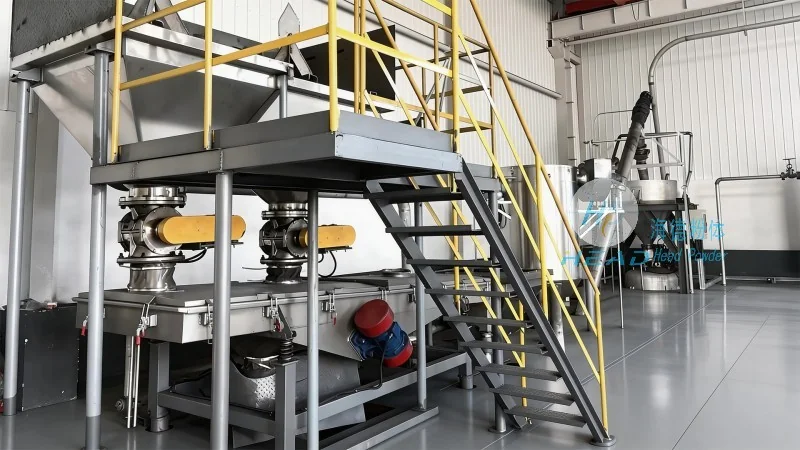
Key Components of a Pneumatic Conveying System
At the core of any pneumatic conveying system are several critical components that work together to ensure efficient material transport. These include the air compressor, which generates the necessary pressure to move the material; the hopper or feed hopper, where the waste is loaded; the pipeline network that transports the material; and the discharge point where the material is released. Additionally, filters and cyclones are often used to separate the material from the air stream, ensuring that the system remains clean and operational. The design of these components is crucial for the overall performance and reliability of the waste pneumatic conveying system.
Classification of Pneumatic Conveying Systems
Pneumatic conveying systems can be broadly classified into two main categories: pressure and vacuum systems. Pressure systems operate by forcing air or gas under pressure into the pipeline, pushing the material forward. These systems are typically used for short to medium distances and for materials that are relatively dry and free-flowing. On the other hand, vacuum systems use a vacuum pump to create a negative pressure that draws the material into the pipeline. Vacuum systems are often preferred for longer distances and for handling materials that are more cohesive or require gentle handling. Within these categories, there are further subtypes, such as dilute phase and dense phase systems. Dilute phase systems involve a low concentration of material in the air stream, suitable for long-distance transport, while dense phase systems use a higher material concentration and lower velocity, ideal for short distances and handling sticky or abrasive materials.
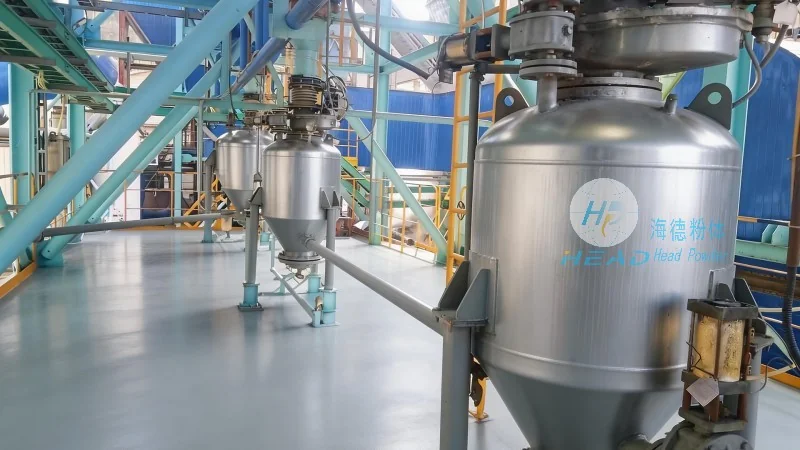
Applications of Waste Pneumatic Conveying
The applications of waste pneumatic conveying are diverse and span across various industries. In municipal waste management, this technology is used to transport waste from collection points to processing facilities, such as recycling centers or landfills. In industrial settings, it is employed to handle waste materials from manufacturing processes, including metal shavings, plastic pellets, and other bulk waste. The flexibility of pneumatic conveying allows it to be adapted to different types of waste and operational requirements. For example, in food processing industries, it can be used to transport food waste while maintaining hygiene standards. Additionally, the system can be integrated with other waste management technologies, such as sorting and processing equipment, to create a comprehensive waste handling solution.
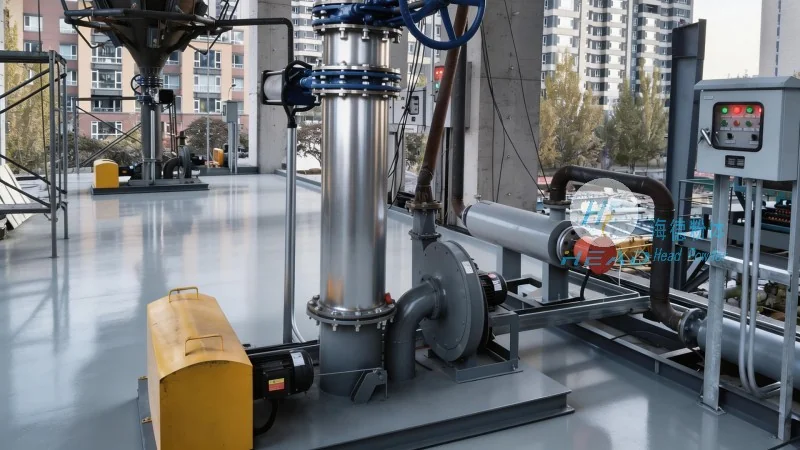
Advantages of Using Pneumatic Conveying for Waste Handling
There are several advantages to using pneumatic conveying for waste handling. One of the primary benefits is the ability to transport materials over long distances without the need for multiple transfer points or intermediate storage. This reduces the risk of material loss and contamination. Additionally, pneumatic systems are relatively compact and can be installed in tight spaces, making them suitable for urban or industrial environments where space is limited. The technology also offers a high degree of flexibility, as the system can be easily reconfigured to handle different types of waste or to adjust the flow rate as needed. Furthermore, pneumatic conveying is generally more hygienic and cleaner than traditional mechanical systems, as it minimizes direct contact between the material and human operators. This is particularly important in industries where waste handling must meet strict health and safety regulations.
Considerations for Implementing a Waste Pneumatic Conveying System
When implementing a waste pneumatic conveying system, several factors must be considered to ensure optimal performance and efficiency. The first consideration is the type and characteristics of the waste material, including its particle size, moisture content, and flowability. These properties will determine the appropriate system design, such as whether a pressure or vacuum system is more suitable. The second consideration is the distance and layout of the transport route, as this will affect the required pressure or vacuum levels and the overall system size. Additionally, the system must be designed to handle the specific environmental conditions, such as temperature and humidity, to prevent material degradation or equipment failure. Finally, regular maintenance and monitoring are essential to ensure the long-term reliability and performance of the system. This includes checking for air leaks, cleaning filters, and inspecting the pipeline for any blockages or wear.




