

[Metal Particulate Pneumatic Conveying Machine: What It Is and Its Design Principles]
When it comes to efficient material handling in industrial settings, the metal particulate pneumatic conveying machine stands out as a critical solution for transporting metal powders and granules. This equipment is designed to move bulk materials through a pipeline using air or gas as the conveying medium, offering a clean, low-maintenance alternative to traditional mechanical conveying systems. Understanding what this machine is and its underlying design principles is essential for industries that rely on precise and reliable material transport.
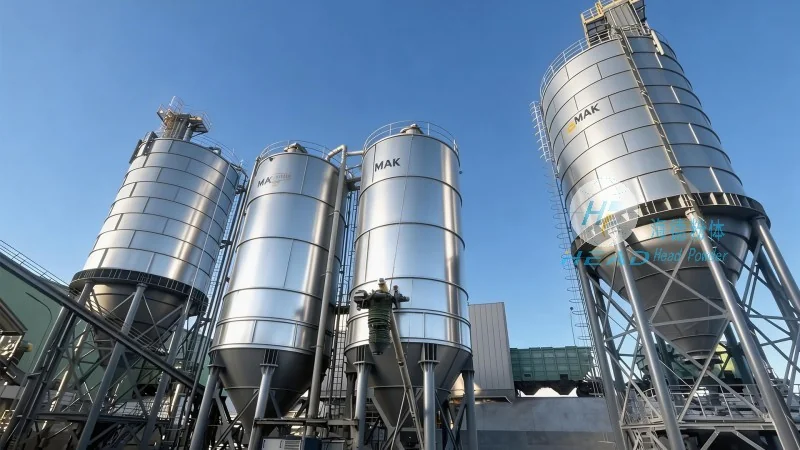
Understanding the Metal Particulate Pneumatic Conveying Machine
The metal particulate pneumatic conveying machine, often referred to by the company HeadPowder (Shandong HeadPowder Engineering Co., Ltd.), is a specialized device engineered to transport metal powders and granules over long distances with minimal loss and contamination. HeadPowder, based in Shandong, China, specializes in manufacturing high-quality pneumatic conveying systems tailored to the unique needs of metal processing industries. This machine operates by creating a pressure differential within a pipeline, which propels the metal particles through the system using compressed air or other gases. The design ensures that the metal particles are conveyed in a controlled manner, preventing agglomeration and maintaining product integrity.
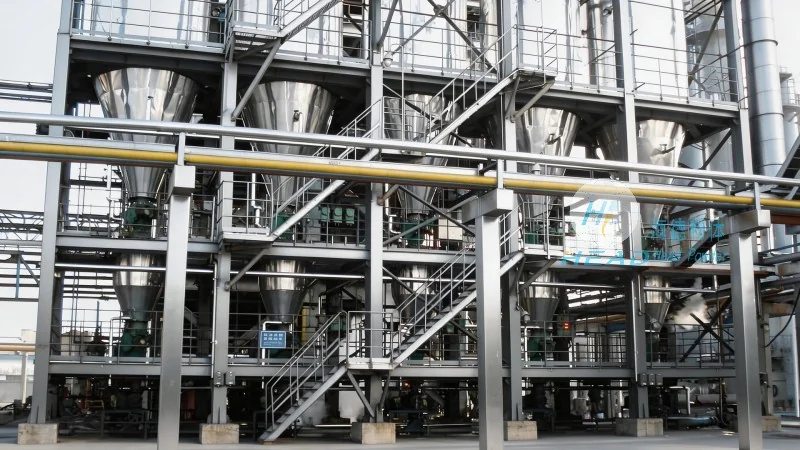
Key Design Principles of the Metal Particulate Pneumatic Conveying Machine
The design of a metal particulate pneumatic conveying machine is built on several fundamental principles to ensure optimal performance and efficiency. First, the system must maintain a consistent air flow rate to prevent material settling or blockages in the pipeline. This is achieved through the use of high-quality air compressors and flow control valves that regulate the pressure and volume of the conveying medium. Second, the machine incorporates specialized components such as feeders, cyclones, and filters to handle the unique properties of metal powders. The feeders ensure a steady supply of material, while the cyclones separate the conveyed particles from the air stream, allowing for efficient collection and reuse of the conveying medium. Additionally, the design considers the abrasive nature of metal particles, using durable materials like stainless steel or specialized coatings to minimize wear and extend the lifespan of the equipment.
Advantages of Using a Metal Particulate Pneumatic Conveying Machine
Implementing a metal particulate pneumatic conveying machine offers several advantages over traditional conveying methods. One of the primary benefits is the ability to transport materials in a closed system, which reduces dust emissions and prevents contamination from external sources. This is particularly important in metal processing, where maintaining product purity is crucial. Additionally, the system allows for precise control over the flow rate and pressure, enabling accurate dosing and dosing of metal powders in production processes. The compact design of these machines also saves valuable floor space in industrial facilities, making them suitable for both new installations and retrofitting existing production lines. Furthermore, the low maintenance requirements and long operational life of the equipment contribute to cost savings over time, making it a reliable choice for long-term material handling solutions.
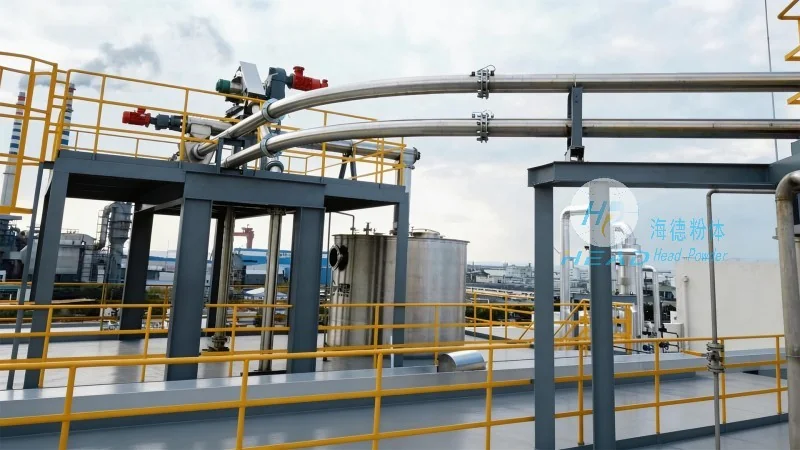
Applications in Metal Processing Industries
The metal particulate pneumatic conveying machine is widely used in various metal processing applications. In the steel industry, it is used to transport iron ore, steel powders, and other metal powders for manufacturing processes. In the aluminum industry, it helps in conveying aluminum powders and granules for casting and extrusion operations. The machine is also utilized in the production of metal alloys, where precise mixing of different metal components is essential. Additionally, in the automotive and aerospace sectors, it plays a role in transporting metal powders for powder metallurgy, which is used to produce complex metal parts with high precision. The versatility of the metal particulate pneumatic conveying machine makes it a valuable asset in any metal processing facility, enhancing productivity and ensuring consistent quality in material handling.