

Choosing Between Positive Pressure and Negative Pressure Pneumatic Conveying for Battery Anode Mater
When it comes to handling battery anode materials, the choice of pneumatic conveying system is critical for efficiency, cost-effectiveness, and material integrity. Two primary methods dominate the industry: positive pressure and negative pressure systems. Each has distinct characteristics, advantages, and applications, making it essential to understand the differences to select the right solution for your operation. This article explores the key factors to consider when choosing between positive pressure and negative pressure pneumatic conveying for battery anode materials, with insights from industry experts at Shandong HeadPowder Engineering Co., Ltd.
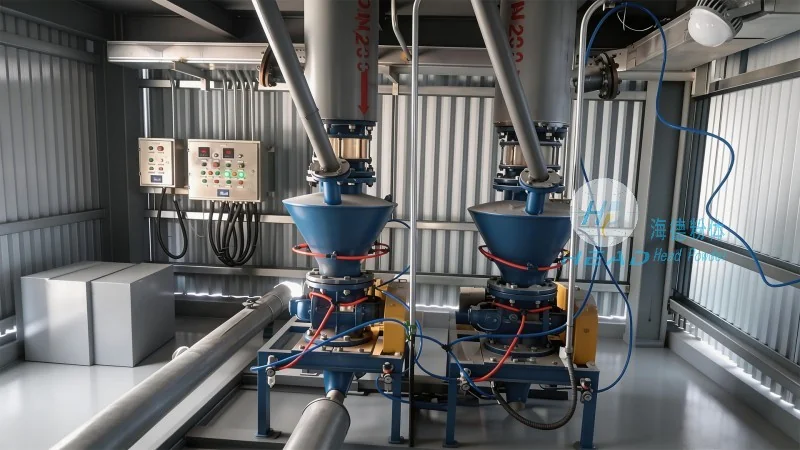
Key Differences Between Positive and Negative Pressure Pneumatic Conveying
At its core, the fundamental difference between positive and negative pressure systems lies in how air is used to move material. Positive pressure systems force air into the conveying line, creating a pressure higher than the ambient air, which propels the material forward. In contrast, negative pressure systems create a vacuum by pulling air out of the line, drawing material into the system. This basic distinction leads to several critical differences in performance, maintenance, and suitability for specific materials.
One of the most significant factors is the impact on material properties. Positive pressure systems are generally better suited for abrasive or sensitive materials, as they minimize particle attrition and reduce the risk of dust explosion. The controlled pressure environment helps maintain material quality, which is crucial for battery anode applications where particle size and surface characteristics directly affect performance. Negative pressure systems, while effective for lighter or less abrasive materials, may be more prone to material degradation due to the high-velocity air flow and potential for particle impact.
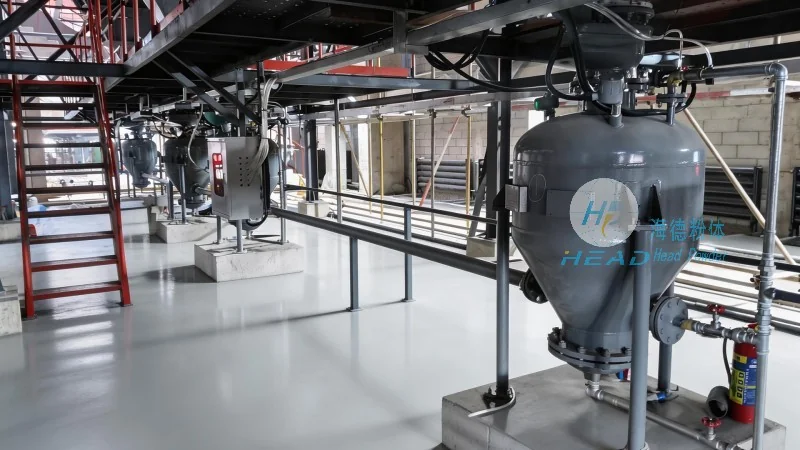
Another critical consideration is the system's ability to handle different material characteristics. Positive pressure systems excel with materials that are dense, sticky, or prone to bridging, as the high pressure helps break up agglomerates and maintain flow. They are also more effective in long-distance or complex routing applications, as the pressure can be maintained throughout the entire line. Negative pressure systems, on the other hand, are often preferred for lighter, non-abrasive materials that are less likely to cause wear on the system components. They are typically used for shorter distances and simpler layouts, as maintaining a consistent vacuum over longer distances can be challenging.
Operational and maintenance aspects also play a role in the decision-making process. Positive pressure systems generally require more robust components, such as high-pressure blowers and reinforced pipelines, to withstand the higher pressure. This can increase initial investment costs but may reduce long-term maintenance due to lower wear rates. Negative pressure systems, while potentially cheaper to install, may require more frequent filter changes and system cleaning to prevent dust buildup and maintain efficiency. The choice between the two often depends on the specific material's properties, the conveying distance, and the overall system layout.
Factors to Consider When Selecting a Pneumatic Conveying System for Battery Anode Materials
Choosing the right pneumatic conveying system for battery anode materials involves evaluating several key factors beyond the basic positive vs. negative pressure distinction. The first is the material's physical properties, including particle size, density, and abrasiveness. For example, if the anode material is fine and abrasive, a positive pressure system with a closed-loop design and wear-resistant components may be the best choice to minimize material degradation. Conversely, if the material is lighter and less abrasive, a negative pressure system might suffice, provided the conveying distance is short and the system is properly designed to handle the material's flow characteristics.
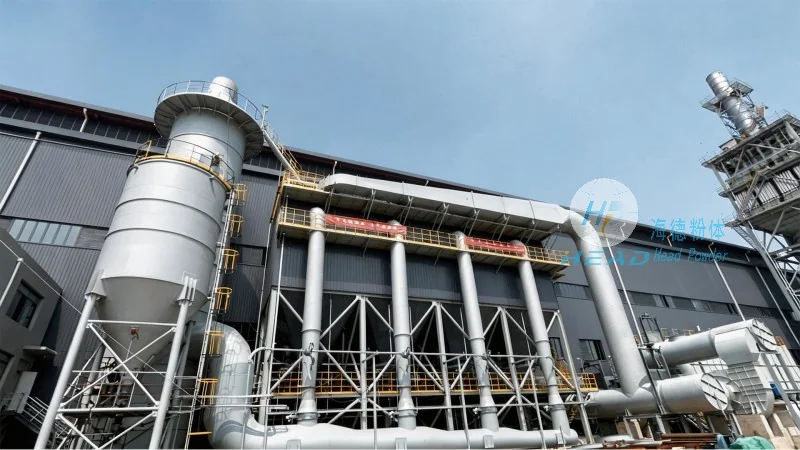
Conveying distance and system layout are also critical. Positive pressure systems are often preferred for longer distances or complex routing, as the pressure can be maintained throughout the entire line without significant loss. This makes them ideal for large-scale battery manufacturing facilities where materials need to be transported from raw material storage to processing lines over considerable distances. Negative pressure systems, while suitable for shorter distances, may require additional boosters or vacuum pumps to maintain performance over longer routes, which can increase complexity and maintenance requirements.
Environmental and safety considerations are another important factor. Battery anode materials can be flammable or produce dust that poses explosion risks. Positive pressure systems are generally safer in this regard because they prevent external air from entering the system, reducing the risk of dust ignition. Negative pressure systems, by contrast, may draw in external air, which could introduce contaminants or increase the risk of explosion if the material is flammable. For battery anode applications, where safety is paramount, a positive pressure system is often the preferred choice to mitigate these risks.
Cost is also a significant factor, though it's not the only one. Positive pressure systems typically have higher initial costs due to the need for high-pressure components and robust infrastructure. However, they may offer lower long-term costs due to reduced maintenance and the ability to handle more demanding materials. Negative pressure systems are generally less expensive to install but may have higher operating costs due to increased energy consumption and more frequent maintenance. The total cost of ownership (TCO) should be evaluated over the system's lifespan to make an informed decision.
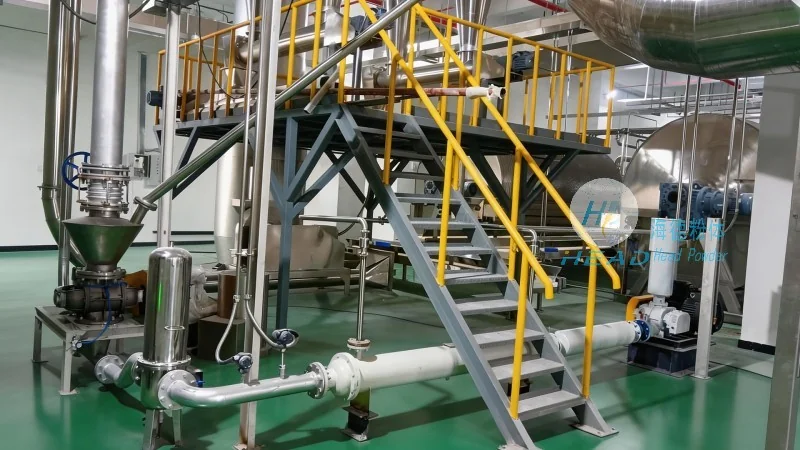
Expert Insights from Shandong HeadPowder Engineering Co., Ltd.
Shandong HeadPowder Engineering Co., Ltd., a leading provider of pneumatic conveying solutions, emphasizes the importance of understanding the material's specific characteristics when selecting a system. "For battery anode materials, the choice between positive and negative pressure depends heavily on the material's particle size and abrasiveness," explains a company representative. "Our team conducts thorough material analysis to determine the optimal system design, ensuring that the conveying process maintains material integrity and efficiency." The company specializes in custom-designed pneumatic conveying systems tailored to the unique needs of battery manufacturers, offering solutions that balance performance, safety, and cost-effectiveness.
HeadPowder's expertise extends to the entire conveying process, from material feeding to discharge. The company's systems are engineered to handle the specific challenges of battery anode materials, such as fine particle size and potential for agglomeration. By integrating advanced control systems and wear-resistant components, their solutions ensure consistent material flow and minimal degradation. This approach not only improves operational efficiency but also enhances the quality of the final battery anode product, which is critical for performance and longevity.