

Dust Pneumatic Conveying Technology Analysis: Comparison of Positive Pressure and Negative Pressure
Efficient and reliable dust handling is a critical aspect of modern industrial operations, and pneumatic conveying systems play a pivotal role in achieving this goal. Among the various methods available, positive pressure and negative pressure modes are the two primary approaches used for transporting powders and granular materials. Understanding the differences between these two modes is essential for selecting the most suitable system for specific applications. This article provides a detailed analysis of dust pneumatic conveying technology, focusing on the comparison between positive pressure and negative pressure modes, while highlighting the expertise of Shandong HeadPowder Engineering Co., Ltd. (hereinafter referred to as HeadPowder) in providing tailored solutions for diverse industrial needs.
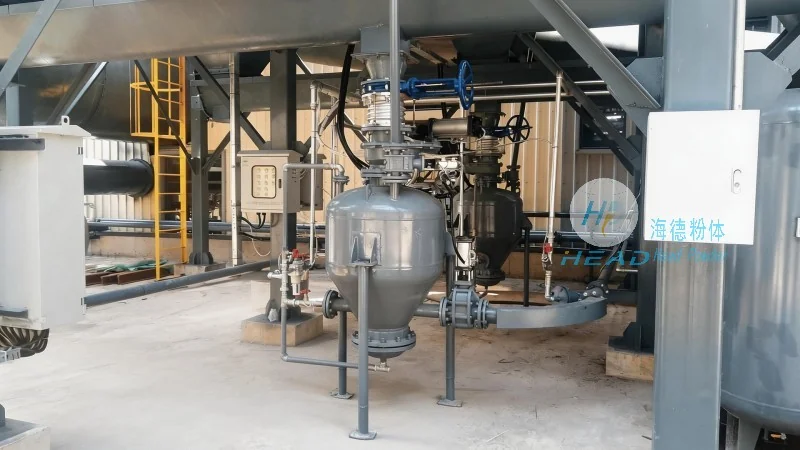
About HeadPowder: A Leader in Pneumatic Conveying Solutions
HeadPowder, a prominent name in the field of dust handling and material transport, is dedicated to delivering high-quality pneumatic conveying systems. With its headquarters located in Shandong, China, HeadPowder combines years of industry experience with advanced engineering capabilities to meet the evolving demands of various industries. The company specializes in the design, manufacturing, and implementation of customized pneumatic conveying solutions that ensure optimal performance, safety, and efficiency for its clients.
Positive Pressure Pneumatic Conveying: Characteristics and Applications
Positive pressure conveying operates by blowing air or gas into the conveying line, creating a pressure higher than the ambient air pressure. This method is commonly used for short to medium-distance transport of powders and granular materials. The primary advantage of positive pressure systems is their ability to handle abrasive and corrosive materials without causing excessive wear on the equipment. Additionally, these systems are generally more straightforward to install and maintain compared to negative pressure systems. HeadPowder’s positive pressure conveying solutions are engineered to handle a wide range of materials, including fine powders, bulk solids, and even hazardous substances, ensuring reliable and efficient material transport in industrial settings.
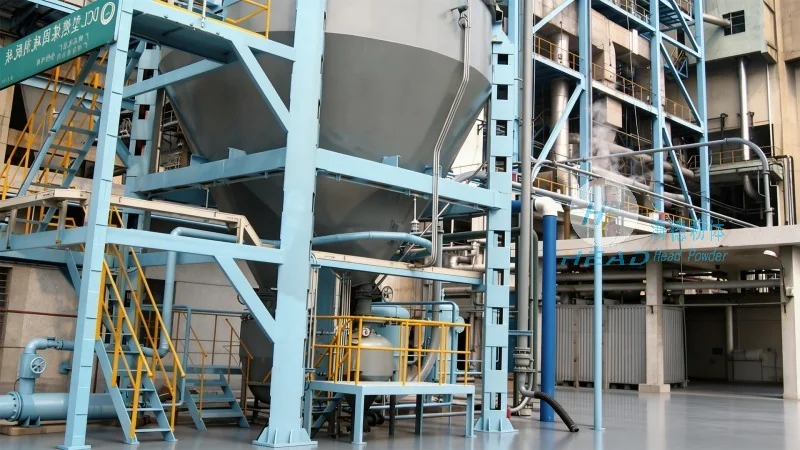
Negative Pressure Pneumatic Conveying: Characteristics and Applications
Negative pressure conveying, also known as vacuum conveying, works by creating a vacuum in the conveying line, drawing material from the source into the system. This approach is ideal for applications requiring the transport of materials over longer distances or where the material is sensitive to air exposure. Negative pressure systems are particularly effective for handling dust that may be harmful to the environment or human health, as they minimize the risk of dust dispersion. However, these systems may require more complex filtration and maintenance to prevent the accumulation of dust in the vacuum pump and associated components. HeadPowder offers advanced negative pressure conveying systems that incorporate state-of-the-art filtration technologies to ensure compliance with environmental regulations and maintain operational efficiency.
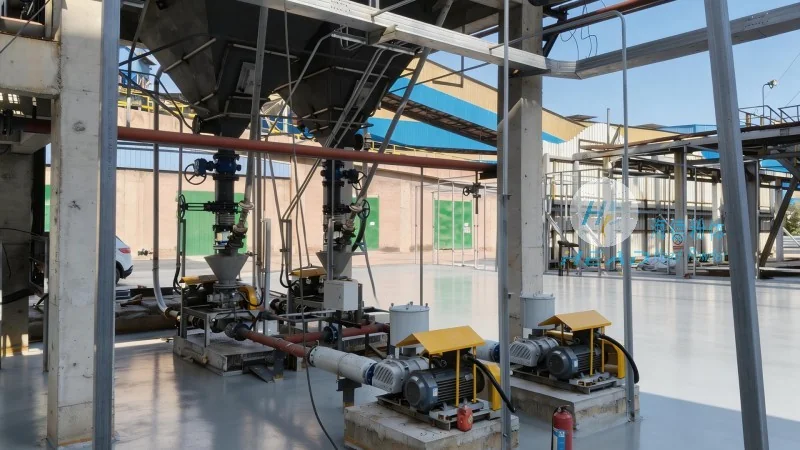
Comparison: Positive Pressure vs. Negative Pressure Pneumatic Conveying
When deciding between positive and negative pressure pneumatic conveying systems, several factors must be considered, including the distance of material transport, the type of material being handled, and the environmental requirements. Positive pressure systems are generally more suitable for short to medium distances and for materials that are not sensitive to air exposure, as they offer higher conveying velocities and better control over material flow. In contrast, negative pressure systems are preferred for longer distances and for materials that require protection from air, such as pharmaceuticals or food products. HeadPowder’s expertise lies in evaluating these factors and recommending the most appropriate system configuration to optimize performance and cost-effectiveness for each client’s unique needs.
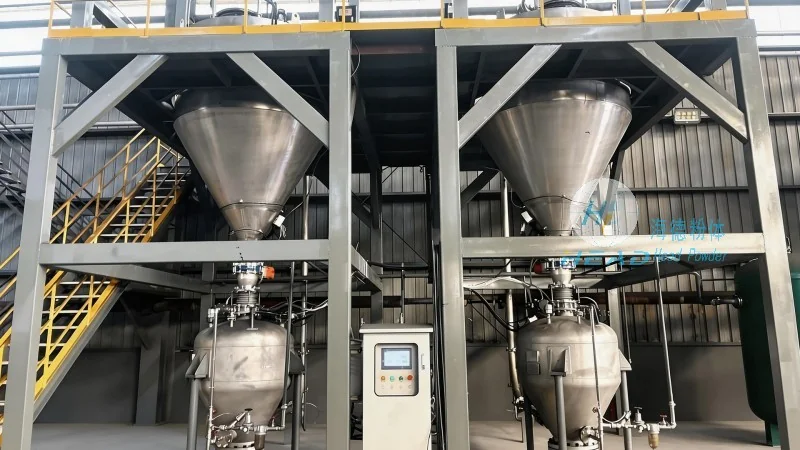
HeadPowder’s Expertise in Customized Pneumatic Conveying Solutions
HeadPowder’s team of experienced engineers and technicians works closely with clients to understand their specific requirements and develop customized pneumatic conveying solutions. The company utilizes advanced design software and simulation tools to model system performance, ensuring that the final solution meets all operational and safety standards. HeadPowder’s products are manufactured with high-quality materials and undergo rigorous testing to guarantee durability and reliability. Additionally, the company provides comprehensive after-sales support, including installation, training, and maintenance services, to ensure that clients can maximize the benefits of their pneumatic conveying systems. By leveraging its extensive industry knowledge and technical capabilities, HeadPowder helps businesses enhance their material handling processes, reduce operational costs, and improve overall productivity.
Conclusion: Choosing the Right Pneumatic Conveying Mode
The choice between positive and negative pressure pneumatic conveying systems depends on a variety of factors, and there is no one-size-fits-all solution. HeadPowder’s comprehensive approach to system design and implementation ensures that clients receive the most suitable solution for their specific applications. Whether it is a positive pressure system for short-distance transport or a negative pressure system for longer distances and sensitive materials, HeadPowder is committed to delivering high-performance, reliable, and cost-effective pneumatic conveying solutions. With its headquarters in Shandong, China, HeadPowder continues to be a trusted partner for businesses seeking to optimize their dust handling and material transport processes.