

Analysis of Dust Gas Solid Handling Technology: Comparison of Positive Pressure and Negative Pressur
HeadPowder, a leading provider in the field of dust and solid material handling, specializes in advanced gas solid conveying technologies. This article provides a detailed analysis of positive pressure and negative pressure modes in dust gas solid handling, offering insights into their operational principles, advantages, and practical applications.
Introduction to Dust Gas Solid Handling Technology
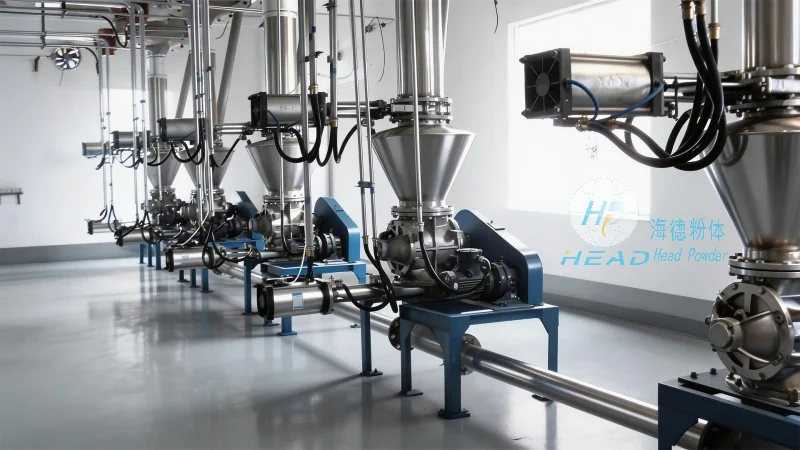
Dust gas solid handling, also known as pneumatic conveying, is a critical process in industries dealing with bulk materials. It involves transporting particulate solids through a pipeline using a gas stream, typically air or other gases. The technology is widely used in sectors such as mining, construction, and chemical manufacturing. The choice between positive pressure and negative pressure systems depends on various factors including material characteristics, distance, and system complexity.
Positive Pressure Conveying System
Positive pressure conveying systems operate by blowing air or gas into the pipeline, creating a pressure higher than the ambient air pressure. This method is particularly effective for transporting materials over long distances or through complex network systems. The primary advantage of positive pressure systems is their ability to handle a wide range of materials, from fine powders to coarse granules. They are also suitable for applications requiring high conveying velocities, which can enhance material flow and reduce system blockages.
One of the key benefits of positive pressure systems is their self-cleaning capability. As the gas flows through the pipeline, it helps to dislodge any accumulated material, minimizing the risk of clogging. This feature makes them ideal for handling abrasive or sticky materials that are prone to sticking to pipeline walls. Additionally, positive pressure systems can be easily integrated with other process equipment, such as mixers and classifiers, to form a comprehensive material handling solution.
Negative Pressure Conveying System
Negative pressure conveying systems, on the other hand, operate by creating a vacuum or suction in the pipeline, drawing material from the source to the destination. This approach is commonly used for short-distance conveying or for applications where the material needs to be collected from a specific point. The main advantage of negative pressure systems is their ability to handle fine powders and dusts without generating excessive dust emissions. The suction process helps to capture and transport particles that might otherwise be released into the environment, making them more suitable for applications requiring strict environmental control.
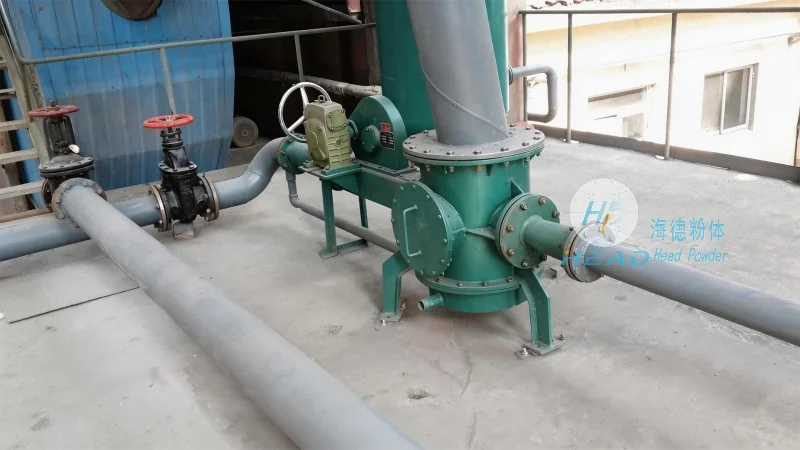
Another benefit of negative pressure systems is their lower energy consumption compared to positive pressure systems, especially for short conveying distances. However, they are generally less effective for handling coarse or abrasive materials, as the suction force may not be sufficient to move such materials through the pipeline. Additionally, negative pressure systems are more susceptible to clogging due to the accumulation of material on the suction side, requiring more frequent maintenance and cleaning.
Comparison of Positive and Negative Pressure Modes
When selecting between positive and negative pressure conveying systems, several factors must be considered. The choice is often determined by the material's properties, such as particle size, density, and moisture content. For example, positive pressure systems are preferred for transporting coarse materials over long distances, while negative pressure systems are better suited for fine powders in shorter conveying applications.
Operational costs and energy efficiency are also critical considerations. Positive pressure systems typically consume more energy due to the need to maintain higher pressure levels, whereas negative pressure systems are more energy-efficient for short distances. However, the overall cost-effectiveness depends on the specific application and the scale of operation.
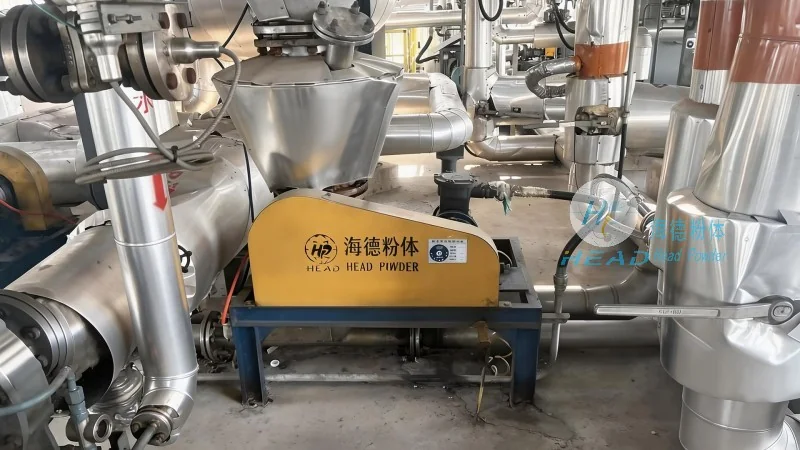
Environmental impact is another important factor. Negative pressure systems are generally more effective at controlling dust emissions, making them suitable for applications where air quality regulations are stringent. Positive pressure systems, while capable of handling abrasive materials, may require additional dust collection equipment to comply with environmental standards.
Applications and Practical Considerations
HeadPowder's expertise in dust gas solid handling technology enables us to provide tailored solutions for various industrial needs. Our systems are designed to meet the specific requirements of each application, whether it involves long-distance transport of bulk materials or the collection of fine powders in a controlled environment.
For industries dealing with abrasive or sticky materials, positive pressure systems offer superior performance and reliability. These systems are capable of handling materials that would otherwise cause significant wear and tear on equipment, ensuring longer service life and reduced maintenance costs. In contrast, negative pressure systems are ideal for applications where dust control is paramount, such as in pharmaceutical or food processing industries.
HeadPowder, based in Shandong, China, leverages advanced engineering and manufacturing capabilities to deliver high-quality dust gas solid handling solutions. Our products are designed to meet international standards and are backed by comprehensive technical support and after-sales service. Whether you need a new system installation or retrofitting of existing equipment, HeadPowder provides the expertise and resources to ensure optimal performance and efficiency.