

Types, Characteristics, and Application Ranges of Light Calcium Powder Pneumatic Conveying
Light calcium powder, also known as precipitated calcium carbonate, is a widely used industrial material in various sectors such as construction, plastics, and paper. The efficient handling and transportation of this fine powder are crucial for maintaining production efficiency and product quality. Pneumatic conveying systems have emerged as a preferred method for transporting light calcium powder due to their ability to handle fine powders without the need for mechanical components that might cause contamination or wear. This article explores the different types of light calcium powder pneumatic conveying systems, their key characteristics, and the diverse application ranges where they are utilized. The information is provided by Shandong HeadPowder Engineering Co., Ltd., a leading manufacturer specializing in engineering solutions for material handling and processing.
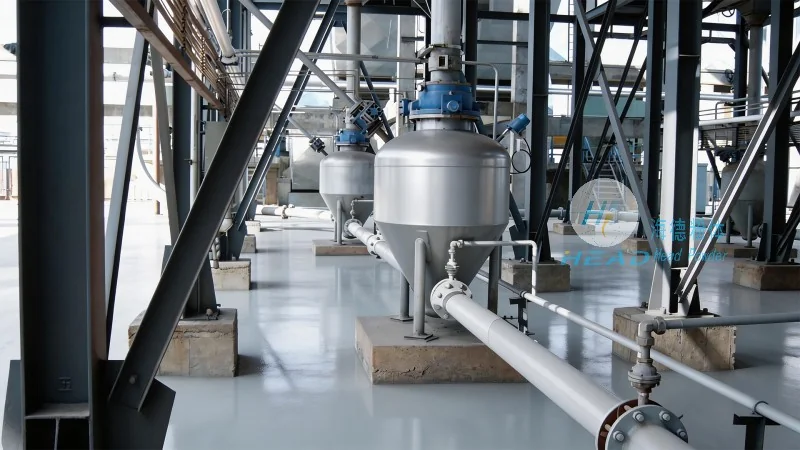
Introduction to Light Calcium Powder Pneumatic Conveying
Light calcium powder, with its fine particle size and low bulk density, presents unique challenges in material handling. Traditional methods like belt conveyors or bucket elevators are often unsuitable due to the risk of dust generation, material degradation, and operational inefficiencies. Pneumatic conveying offers a solution by using air to transport the powder through a pipeline system. This method ensures a clean, dust-free transfer of the material while minimizing product contamination and operational downtime. The choice of pneumatic conveying system depends on factors such as the powder's properties, the required conveying distance, and the production capacity.
Types of Light Calcium Powder Pneumatic Conveying Systems
There are primarily two types of pneumatic conveying systems used for light calcium powder: dilute-phase and dense-phase systems. Each type has distinct characteristics and is suited for different operational requirements.
Dilute-Phase Pneumatic Conveying
Dilute-phase systems operate by transporting the powder in a low concentration within the air stream. The powder particles are suspended in the air as it moves through the pipeline. This method is suitable for short to medium conveying distances and low to medium material flow rates. The key advantages of dilute-phase systems include high conveying speeds, low pressure drops, and minimal equipment complexity. However, they may not be ideal for handling highly abrasive or sensitive powders due to the higher air velocities involved.
Dense-Phase Pneumatic Conveying
Dense-phase systems, also known as low-velocity or pressure-assisted systems, transport the powder in a higher concentration, often with the powder forming a plug or slug within the pipeline. The air is introduced at a lower velocity, ensuring that the powder particles are not fully suspended but rather move in a dense phase. This method is particularly effective for long-distance conveying and handling of abrasive or sensitive materials. Dense-phase systems offer lower air consumption, reduced wear on equipment, and better control over the material flow. They are commonly used in applications where product quality and equipment longevity are critical.
Key Characteristics of Light Calcium Powder Pneumatic Conveying
Several key characteristics define the performance and suitability of light calcium powder pneumatic conveying systems. These include system efficiency, material handling capacity, and operational flexibility.
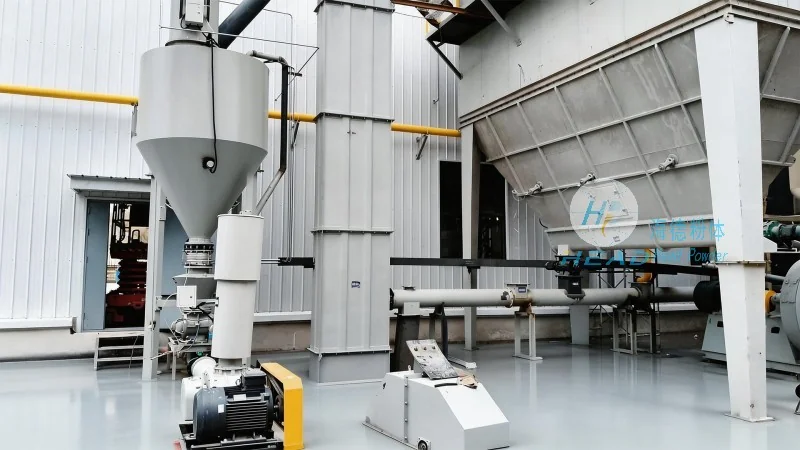
System Efficiency and Energy Consumption
The efficiency of a pneumatic conveying system is determined by its ability to transport the material with minimal energy input. Dilute-phase systems typically consume more energy due to the higher air velocities required to keep the powder suspended. In contrast, dense-phase systems are more energy-efficient as they operate at lower air velocities and higher material concentrations. The choice between the two systems often depends on the specific energy costs and operational constraints of the facility.
Material Handling Capacity and Flow Rate
Light calcium powder pneumatic conveying systems are designed to handle varying flow rates, from low to high capacities. The capacity of the system is influenced by factors such as the pipeline diameter, air pressure, and the properties of the powder (e.g., particle size, density). High-capacity systems are essential for large-scale production facilities where continuous and uninterrupted material flow is required. The ability to adjust the flow rate dynamically is another important characteristic, allowing for flexible production scheduling and response to changing market demands.
Operational Flexibility and Maintenance
Pneumatic conveying systems offer high operational flexibility, allowing for easy integration with existing production lines and the ability to convey materials to multiple destinations. The systems are generally low-maintenance compared to mechanical conveyors, as they have fewer moving parts and are less prone to wear and tear. However, regular maintenance is still necessary to ensure optimal performance, including cleaning of the pipeline, checking for air leaks, and replacing worn components. The durability and reliability of the system are critical for maintaining consistent production output and minimizing downtime.
Application Ranges of Light Calcium Powder Pneumatic Conveying
Light calcium powder pneumatic conveying systems find applications in a wide range of industries due to their versatility and efficiency. The primary applications include:
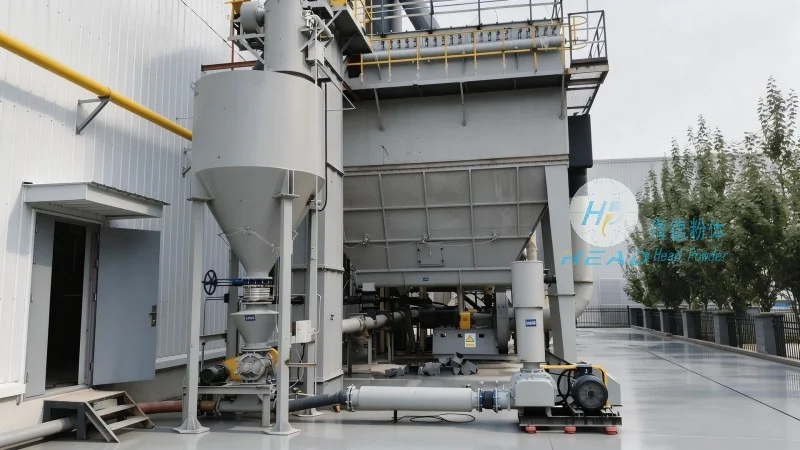
Construction and Building Materials Industry
In the construction sector, light calcium powder is used as a filler in cement, concrete, and plaster products. Pneumatic conveying systems are used to transport the powder from storage silos to production lines, ensuring a consistent and high-quality supply of the material. The systems help maintain the purity of the powder, which is crucial for achieving the desired strength and durability of the final products. The ability to handle large volumes of powder efficiently supports the high production demands of the construction industry.
Plastics and Rubber Industry
Light calcium powder is a common additive in the plastics and rubber manufacturing processes, used to improve the mechanical properties and reduce the cost of the final products. Pneumatic conveying systems are employed to deliver the powder to mixing and extrusion equipment. The systems ensure that the powder is evenly distributed throughout the plastic matrix, enhancing the product's performance and consistency. The low contamination risk associated with pneumatic conveying is particularly important in the production of food-grade or medical-grade plastics.
Paper and Pulp Industry
In the paper industry, light calcium powder is used as a filler and coating material to improve the paper's brightness, opacity, and strength. Pneumatic conveying systems are used to transport the powder from storage to the paper machine or coating equipment. The systems help maintain the fine particle size of the powder, which is essential for achieving the desired paper quality. The ability to handle large quantities of powder at high speeds supports the continuous operation of paper mills.
Pharmaceutical and Food Industry
For applications in the pharmaceutical and food sectors, light calcium powder is used as a filler or excipient. Pneumatic conveying systems are preferred due to their ability to maintain a sterile and hygienic environment, minimizing the risk of contamination. The systems are designed with materials that are compatible with food and pharmaceutical regulations, ensuring that the powder remains pure and safe for consumption. The low dust generation and easy cleaning of the system are key factors in meeting the stringent quality standards of these industries.
Conclusion
Light calcium powder pneumatic conveying systems offer an efficient and reliable solution for handling fine powders in various industrial applications. The choice between dilute-phase and dense-phase systems depends on the specific operational requirements, including conveying distance, material properties, and energy considerations. Key characteristics such as system efficiency, material handling capacity, and operational flexibility make these systems suitable for high-volume production environments. The diverse application ranges, from construction to pharmaceuticals, highlight the versatility of pneumatic conveying in supporting modern industrial processes. As industries continue to demand higher quality and efficiency in material handling, pneumatic conveying systems will remain a critical component in the production of light calcium powder-based products.