

Types, Characteristics, and Applications of Rubber Powder Pneumatic Conveying
Welcome to Shandong HeadPowder Engineering Co., Ltd., a leading manufacturer specializing in rubber powder processing solutions. This article provides an in-depth overview of the different types of rubber powder pneumatic conveying systems, their key characteristics, and the diverse applications where they are employed. As a company dedicated to delivering high-quality engineering solutions, HeadPowder offers advanced equipment tailored to meet the specific needs of various industries.
Introduction to Rubber Powder Pneumatic Conveying
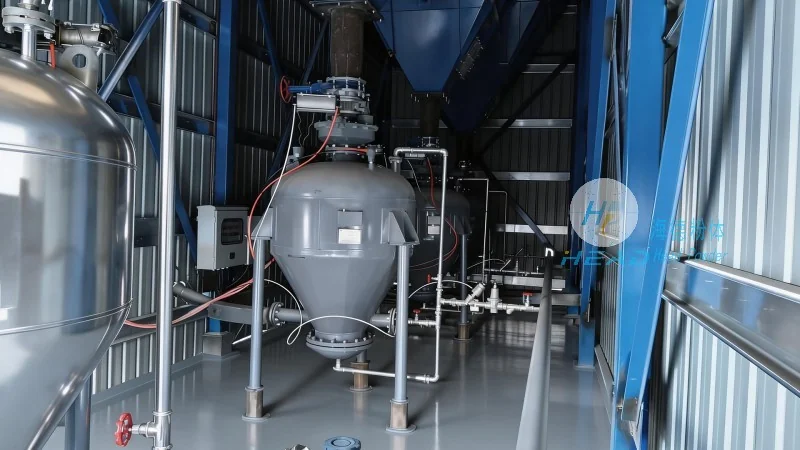
Rubber powder pneumatic conveying is a method used to transport rubber powder through a pipeline using air or gas as the conveying medium. This technology offers numerous advantages over traditional mechanical conveying methods, including reduced material degradation, improved safety, and enhanced process efficiency. The choice of pneumatic conveying system depends on several factors, including the properties of the rubber powder, the distance of transport, and the required throughput. Understanding the different types and their characteristics is crucial for selecting the most suitable system for a given application.
Types of Rubber Powder Pneumatic Conveying Systems
There are primarily two main types of rubber powder pneumatic conveying systems: positive pressure and negative pressure systems. Each type has distinct features and is suitable for different operational requirements.
Positive Pressure Pneumatic Conveying
Positive pressure systems operate by blowing air or gas into the material to be conveyed. The pressure is maintained above atmospheric pressure throughout the system. This method is commonly used for short to medium-distance transport and is particularly effective for handling abrasive or sticky materials. The positive pressure system ensures that the material is continuously pushed through the pipeline, minimizing the risk of blockages. The key characteristic of this system is its ability to handle high concentrations of material, often up to 20% by volume, which makes it suitable for high throughput applications. The equipment used in positive pressure systems typically includes a blower, a material feeder, and a pipeline network. The blower provides the necessary pressure to move the rubber powder, while the feeder ensures a consistent flow of material into the system. The pipeline network connects the feeder to the destination point, such as a storage silo or processing unit.
Negative Pressure Pneumatic Conveying
Negative pressure systems, also known as vacuum systems, operate by creating a vacuum in the pipeline. The vacuum draws the rubber powder from the source to the destination. This method is ideal for long-distance transport and is commonly used in applications where the material needs to be transported from a storage area to a processing plant. The negative pressure system is particularly effective for handling fine powders and can transport materials over distances of several hundred meters. The key characteristic of this system is its ability to handle low concentrations of material, typically around 5% by volume. The equipment used in negative pressure systems includes a vacuum pump, a material hopper, and a pipeline network. The vacuum pump creates the necessary suction to draw the rubber powder, while the hopper collects the material from the source. The pipeline network connects the hopper to the destination point, ensuring a smooth and continuous flow of material.
Key Characteristics of Rubber Powder Pneumatic Conveying
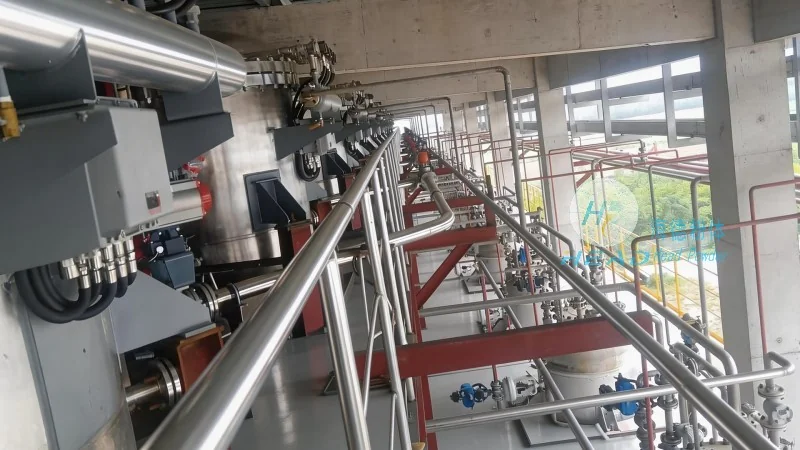
Regardless of the type of system used, rubber powder pneumatic conveying systems share several key characteristics that make them advantageous for material handling. One of the most significant advantages is the ability to transport rubber powder without the need for mechanical components that come into direct contact with the material. This reduces wear and tear on the equipment and minimizes the risk of contamination. Another important characteristic is the flexibility of the system, which allows for easy integration with existing processing lines. The systems can be designed to handle a wide range of particle sizes and shapes, making them suitable for various types of rubber powders, including crumb rubber, ground rubber, and recycled rubber.
Applications of Rubber Powder Pneumatic Conveying
Rubber powder pneumatic conveying systems are widely used in various industries due to their efficiency and versatility. Some of the main applications include:
Industrial Manufacturing
In the industrial manufacturing sector, rubber powder is used as a raw material in the production of various products, such as tires, rubber gloves, and seals. Pneumatic conveying systems are used to transport rubber powder from storage silos to processing machines, ensuring a continuous and reliable supply of material. The systems are particularly useful in tire manufacturing plants, where large quantities of rubber powder are required for the production of tire compounds. The positive pressure system is often used in this application due to its ability to handle high throughput and abrasive materials.
Construction Materials
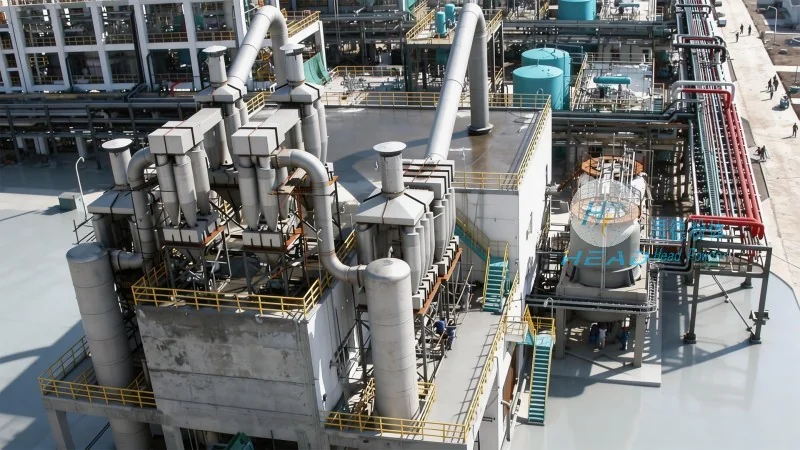
Rubber powder is also used in the construction industry as an additive in concrete and asphalt. Pneumatic conveying systems are used to transport rubber powder from storage facilities to construction sites, ensuring that the material is delivered in a clean and efficient manner. The negative pressure system is commonly used in this application due to its ability to handle long-distance transport and fine powders.
Recycling and Waste Management
In the recycling and waste management industry, rubber powder is used to process waste tires and other rubber products. Pneumatic conveying systems are used to transport the rubber powder from the recycling facility to the processing plant, ensuring that the material is handled safely and efficiently. The systems are designed to handle the abrasive and sticky nature of recycled rubber, making them ideal for this application.
Pharmaceutical and Food Industries
While less common, rubber powder is also used in the pharmaceutical and food industries as a filler or additive. Pneumatic conveying systems are used to transport rubber powder from storage areas to processing units, ensuring that the material is handled in a sterile and hygienic manner. The negative pressure system is often used in this application due to its ability to handle fine powders and maintain a clean environment.
Conclusion
Rubber powder pneumatic conveying systems offer a reliable and efficient method for transporting rubber powder in various industrial applications. The choice of system depends on the specific requirements of the application, including the distance of transport, the material properties, and the required throughput. Shandong HeadPowder Engineering Co., Ltd. specializes in designing and manufacturing custom pneumatic conveying systems that meet the unique needs of each client. By leveraging advanced technology and engineering expertise, HeadPowder provides solutions that enhance process efficiency, reduce costs, and improve overall operational performance.