For industries dealing with sensitive materials, the choice of an appropriate conveying system is crucial. Nitrogen protective pneumatic conveying systems represent a sophisticated solution designed to maintain material integrity while ensuring operational safety. This article explores the fundamental working principles and key characteristics of such systems, highlighting their importance in modern industrial applications.
Understanding the Core Working Principle
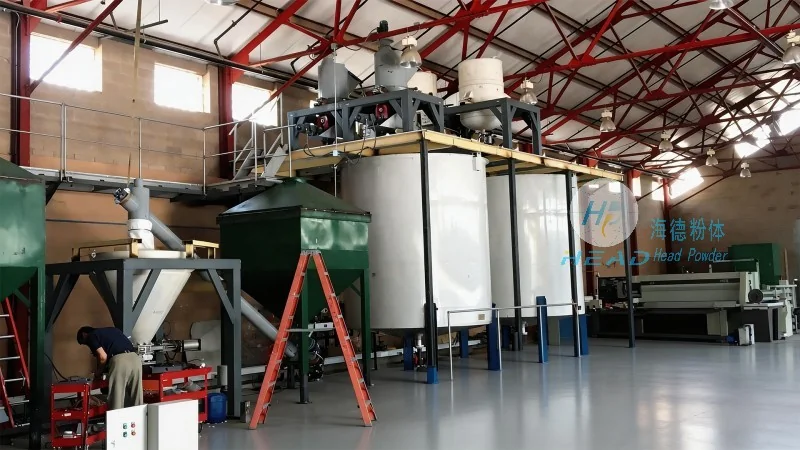
The operation of a nitrogen protective pneumatic conveying system is built upon the principles of pneumatic transport, where materials are conveyed through a pipeline using a gas stream. In the case of nitrogen-protected systems, the gas medium is typically nitrogen, which is introduced to create a protective inert atmosphere. This approach is particularly valuable when handling materials that are susceptible to oxidation, moisture absorption, or contamination from ambient air. The system comprises several critical components, including a material feeder, a nitrogen injection unit, a conveying pipeline, a separation and collection unit, and a pressure control system.
During operation, the material to be conveyed is first fed into the system through the feeder. Simultaneously, nitrogen gas is introduced into the pipeline, creating a low-oxygen environment that prevents material degradation. The material is then entrained by the nitrogen stream and transported through the pipeline to the destination point. At the receiving end, the material is separated from the gas stream, often through a cyclone or other separation device, and collected for further processing. The nitrogen gas is then filtered and recycled, ensuring minimal environmental impact and operational efficiency.
Key Features and Advantages
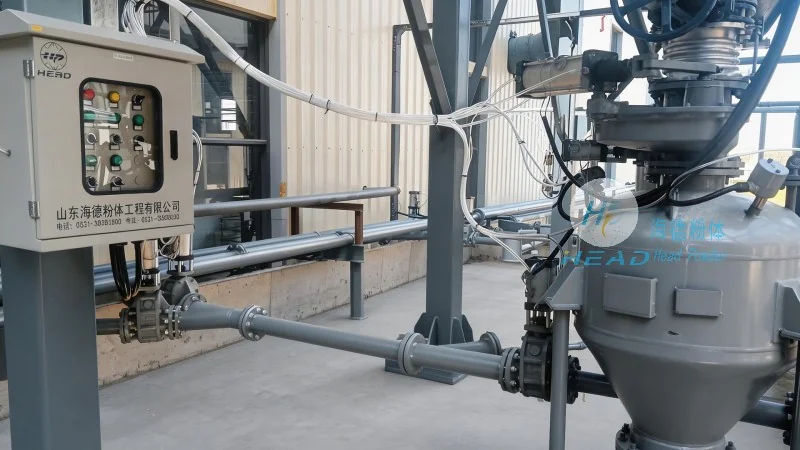
One of the primary advantages of nitrogen protective pneumatic conveying systems is their ability to maintain the quality of sensitive materials. By eliminating exposure to oxygen and moisture, these systems are ideal for transporting products like pharmaceutical powders, food ingredients, and chemical powders that require strict contamination control. Additionally, the inert atmosphere provided by nitrogen reduces the risk of fire or explosion, making the system safer for handling flammable or reactive materials.
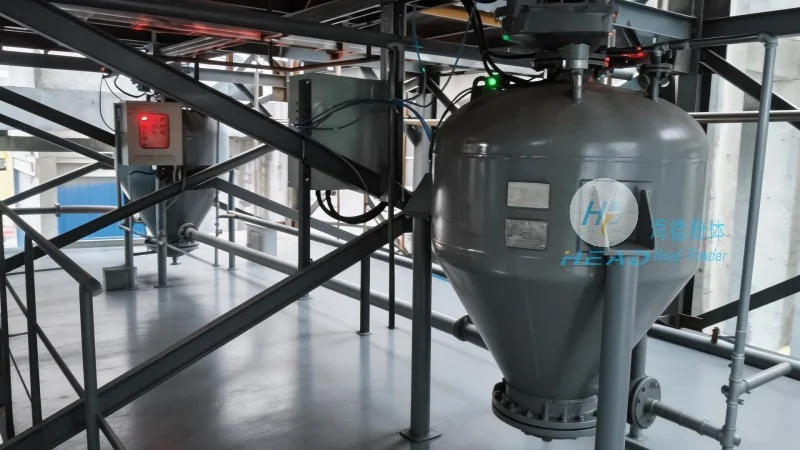
Efficiency is another significant feature of these systems. Compared to traditional mechanical conveying methods, pneumatic systems can achieve higher material throughput with lower energy consumption, especially over longer distances. The flexibility of the pipeline design allows for easy integration into existing production lines, and the system can handle a wide range of material types and particle sizes. Furthermore, the use of nitrogen as the conveying medium ensures consistent flow rates and reduces the likelihood of material blockages or clogging, which are common issues in other conveying technologies.
Applications and Industry Relevance
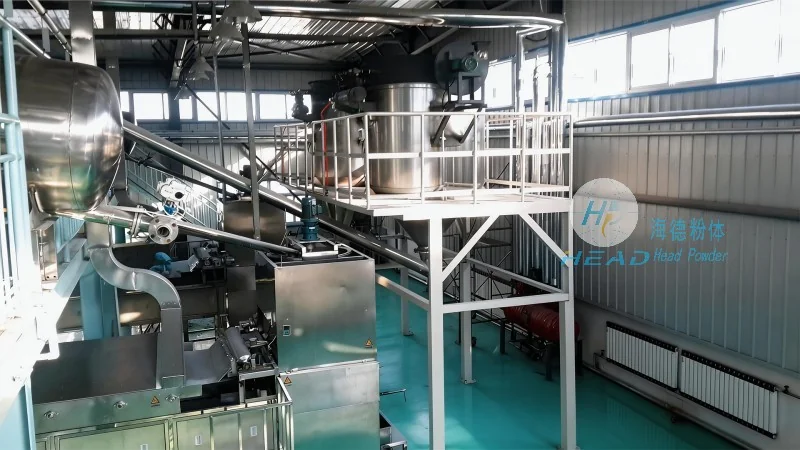
Nitrogen protective pneumatic conveying systems are widely used across various industries, including pharmaceuticals, food processing, chemical manufacturing, and aerospace. In the pharmaceutical industry, for example, these systems are essential for transporting active pharmaceutical ingredients (APIs) and excipients while maintaining sterile and contamination-free conditions. In the food industry, they are used to convey ingredients such as flour, sugar, and spices, ensuring that the products remain fresh and free from spoilage. The chemical industry benefits from the system's ability to handle hazardous materials safely, while the aerospace sector utilizes it for transporting sensitive components that require precise control over environmental conditions.
Conclusion
Overall, nitrogen protective pneumatic conveying systems offer a reliable and efficient solution for transporting sensitive materials while ensuring operational safety and product quality. The integration of nitrogen as a protective medium, combined with advanced pneumatic technology, makes these systems a preferred choice for industries where material integrity is paramount. As demand for high-quality, safe material handling continues to grow, the adoption of such systems is expected to increase, driven by their ability to meet stringent industry standards and improve overall operational performance.




