Barley powder conveying systems are integral to modern agricultural processing and food production facilities, ensuring efficient and reliable movement of barley-derived powders from storage to processing units. Understanding the operation process and working principles of such systems is crucial for optimizing production efficiency and maintaining product quality. This article provides a detailed overview of the key components, operational steps, and technical aspects involved in barley powder conveying, tailored for professionals in the agricultural and food processing industries.
Introduction to Barley Powder Conveying Systems
Barley powder conveying systems are engineered to handle the bulk movement of barley-derived powders, such as barley flour or malt extract powder, with precision and minimal product degradation. These systems are typically designed for high-capacity operations, often found in large-scale grain processing plants, breweries, and food manufacturing facilities. The primary goal of these systems is to ensure a continuous, controlled flow of powder while maintaining hygiene standards and preventing contamination. The design of the system varies based on the specific application, but all systems share common principles of material handling and mechanical operation.
Key Components of a Barley Powder Conveying System
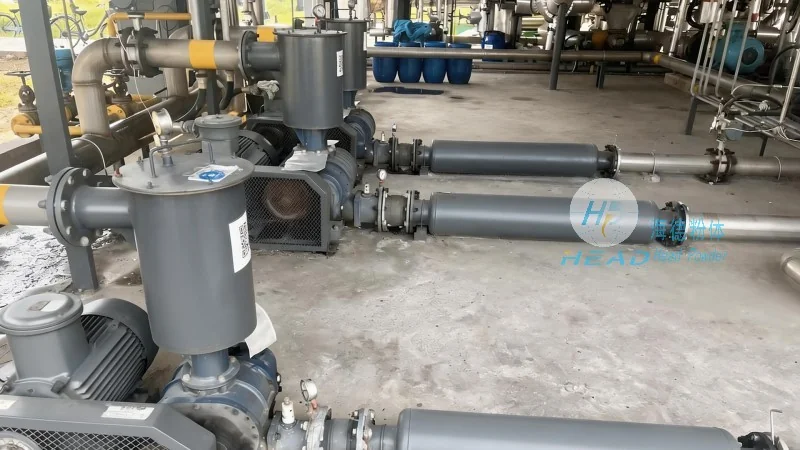
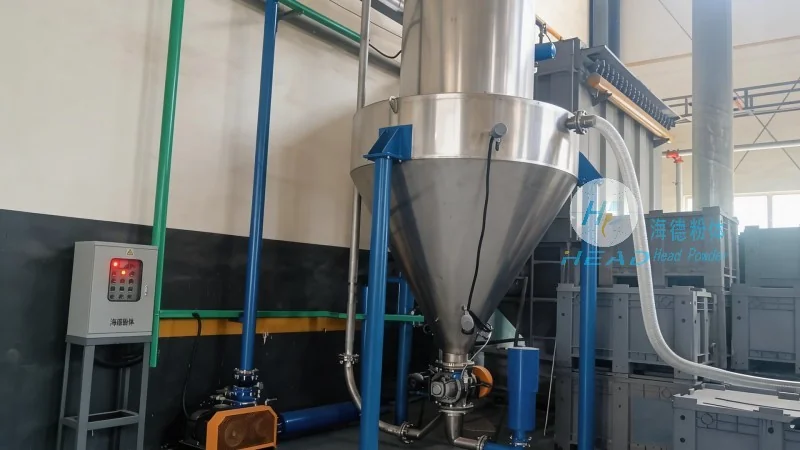
The barley powder conveying system consists of several critical components that work in tandem to achieve efficient material transport. These components include: feed hoppers, which hold the raw barley powder and control the initial flow rate; conveyor belts or pipes, which transport the powder through the system; control valves and gates, which regulate the flow direction and speed; and dust collection systems, which ensure environmental safety and product purity. Each component is carefully selected to withstand the abrasive nature of barley powder and maintain operational efficiency over extended periods.
Operation Process of Barley Powder Conveying
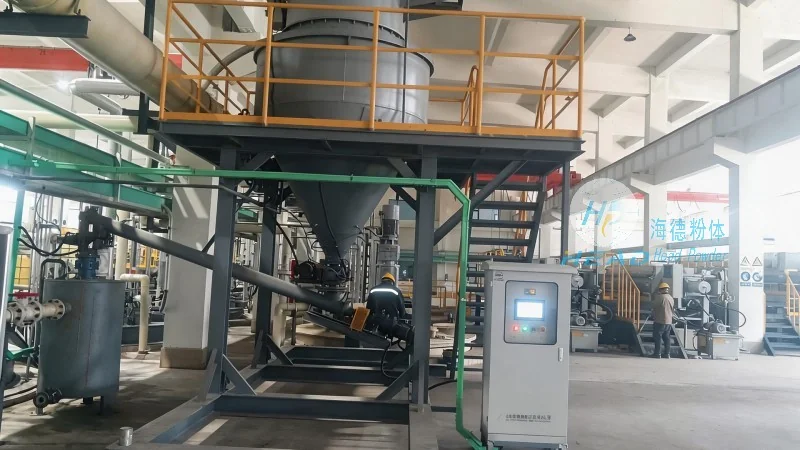
The operation process of a barley powder conveying system involves several sequential steps, each designed to ensure smooth and controlled movement of the powder. The process begins with the loading of barley powder into the feed hopper. The hopper is equipped with a level sensor that monitors the powder volume, preventing overfilling and ensuring consistent feed. Once the powder reaches the desired level, the control system activates the conveyor mechanism. The conveyor belt or pipe then transports the powder to the processing unit, such as a mixer or grinder. During transport, the system may include a series of agitators or vibrators to prevent clogging and maintain a uniform flow. At the processing unit, the powder is discharged and prepared for the next stage of production. The entire process is automated, with sensors and control panels monitoring key parameters like flow rate, pressure, and temperature to ensure optimal performance.
Working Principles of Barley Powder Conveying
The working principles of barley powder conveying systems are based on mechanical and pneumatic technologies, each offering distinct advantages depending on the application. Mechanical systems, such as screw conveyors or belt conveyors, use physical force to move the powder. Screw conveyors, for example, utilize a rotating screw to push the powder forward, while belt conveyors rely on friction between the belt and the powder to achieve transport. Pneumatic systems, on the other hand, use compressed air to create a flow of air that carries the powder through a pipeline. This method is particularly effective for transporting fine powders like barley flour, as it minimizes product contact with machinery and reduces the risk of contamination. The choice between mechanical and pneumatic systems depends on factors such as the powder's moisture content, particle size, and the required transport distance.
Advantages of Efficient Barley Powder Conveying
Efficient barley powder conveying systems offer numerous benefits to agricultural and food processing operations. Firstly, they enhance production efficiency by ensuring a continuous and uninterrupted flow of material, reducing downtime and increasing output. Secondly, they maintain product quality by minimizing mechanical stress and preventing contamination, which is critical for maintaining the nutritional and sensory properties of barley products. Thirdly, these systems improve safety by reducing manual handling of powders, which can lead to respiratory issues and other health hazards. Additionally, automated systems with real-time monitoring allow for quick adjustments to operational parameters, optimizing performance based on changing production demands.
Company Overview: Shandong HeadPowder Engineering Co., Ltd.
Shandong HeadPowder Engineering Co., Ltd., commonly known as HeadPowder, is a leading manufacturer of specialized powder conveying systems for the agricultural and food processing industries. With a focus on innovation and quality, HeadPowder has established itself as a trusted partner for companies seeking reliable and efficient solutions for barley powder handling. The company's headquarters is located in Shandong, China, where it leverages advanced manufacturing techniques and a team of experienced engineers to develop cutting-edge conveying systems. HeadPowder's products are designed to meet the specific needs of its clients, offering customized solutions that enhance operational efficiency and product quality. The company's commitment to customer satisfaction and technical excellence has earned it a reputation as a leading provider in the industry.




