

What is Calcined Gypsum Pneumatic Conveying? An Introduction to the Working Principle of Powder Hand
Calcined gypsum, also known as plaster of Paris, is a widely used material in construction and industrial applications due to its versatility and ease of processing. Efficient handling and transportation of this fine powder are crucial for maintaining product quality and operational efficiency. Pneumatic conveying systems have emerged as a reliable solution for transporting calcined gypsum, offering advantages over traditional methods like bulk handling and manual transport. This article provides an overview of the working principle of pneumatic conveying systems, specifically tailored for calcined gypsum, and highlights the key aspects of such systems.
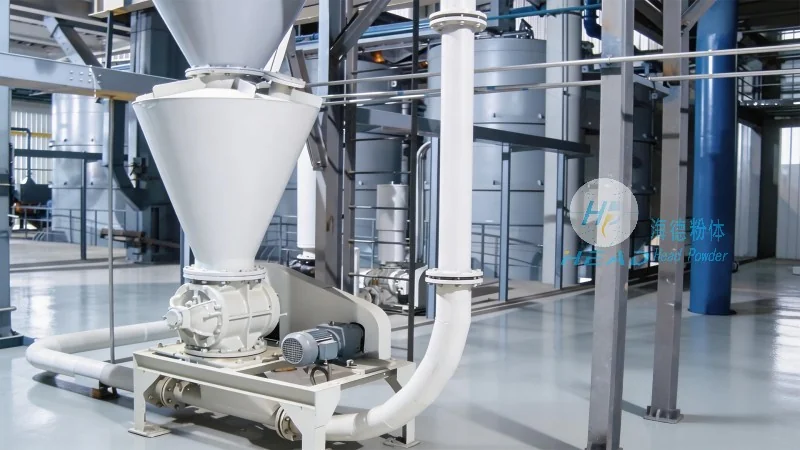
The Working Principle of Pneumatic Conveying Systems
Pneumatic conveying systems utilize air or gas to transport bulk materials like calcined gypsum through a pipeline network. The process typically involves a series of components that work in concert to move the material from the source to the destination. The core principle is the creation of a pressure differential that propels the material along the pipeline. There are two main types of pneumatic conveying: pressure and vacuum systems. Pressure systems use compressed air to push the material, while vacuum systems use a vacuum to pull the material. For calcined gypsum, which is a fine powder, a pressure system is often preferred as it can handle the material more effectively without causing excessive wear or degradation.
Key Components in a Pneumatic Conveying System for Calcined Gypsum
A pneumatic conveying system for calcined gypsum consists of several critical components that ensure smooth operation. The primary components include a material feeder, a conveying line, a receiver, and a control system. The material feeder is responsible for feeding the calcined gypsum into the system at a controlled rate. This component is crucial to prevent blockages and ensure consistent flow. The conveying line is the pipeline through which the material is transported. It is typically made of materials like stainless steel or plastic to withstand the abrasive nature of the calcined gypsum and prevent contamination. The receiver is the container where the calcined gypsum is deposited at the end of the conveying line. It is designed to handle the material's characteristics, such as its fine particle size and potential for dust generation. The control system manages the operation of the entire system, including the feeder, conveying line, and receiver, ensuring that the process runs efficiently and safely.
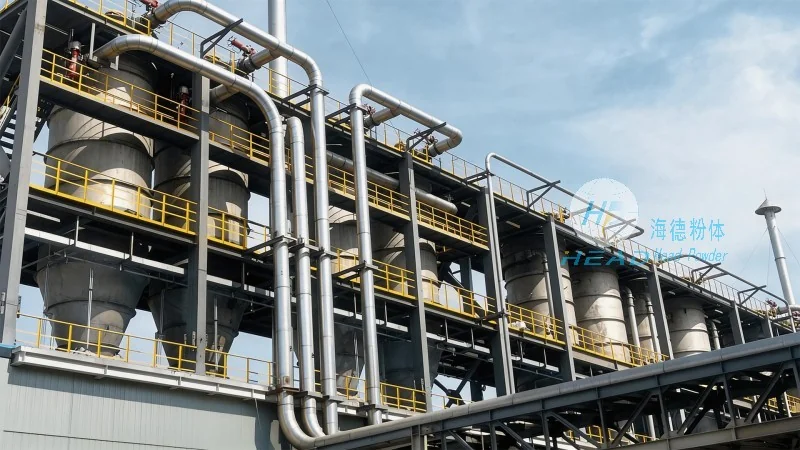
Application of Pneumatic Conveying in Calcined Gypsum Handling
The application of pneumatic conveying in calcined gypsum handling is widespread across various industries. In construction, calcined gypsum is used as a raw material for plaster and drywall products. Pneumatic conveying systems are used to transport the material from storage silos to production lines, ensuring a continuous and clean supply. In industrial manufacturing, calcined gypsum is used in the production of gypsum boards and other building materials. The systems help in moving the material between different stages of the production process, such as from grinding to mixing and packaging. Additionally, in the agricultural and pharmaceutical sectors, calcined gypsum is used as a soil amendment and in certain formulations. Pneumatic conveying systems provide a hygienic and efficient way to handle these applications, maintaining the purity and quality of the material.
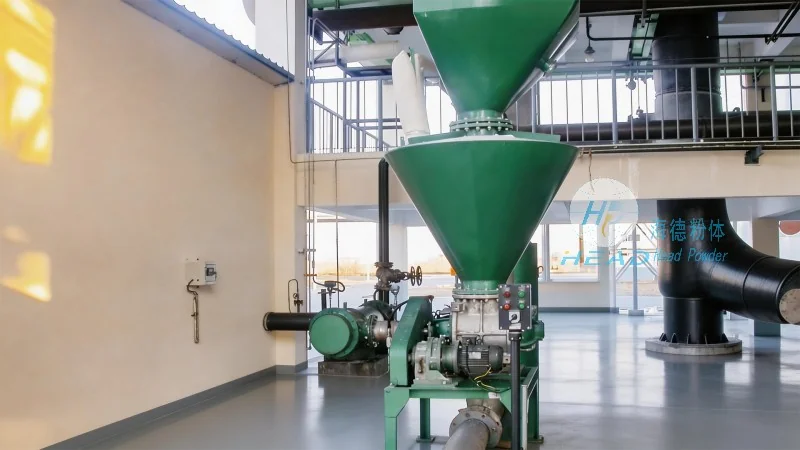
Advantages of Using Pneumatic Conveying for Calcined Gypsum
There are several advantages to using pneumatic conveying systems for calcined gypsum. One of the key benefits is the ability to handle fine powders without the need for additional equipment like conveyors or elevators. This reduces the risk of material degradation and contamination, which is critical for maintaining product quality. Another advantage is the reduced labor costs and increased operational efficiency. Pneumatic conveying systems can operate continuously, minimizing downtime and labor requirements. Additionally, these systems are more hygienic and easier to clean compared to traditional methods, which is important for industries where product purity is paramount. The systems also offer flexibility in terms of layout and design, allowing for easy integration into existing production facilities.
Conclusion
Pneumatic conveying systems are an essential technology for the efficient and reliable handling of calcined gypsum. By understanding the working principle and key components of such systems, industries can optimize their operations and improve product quality. The use of pneumatic conveying not only enhances operational efficiency but also reduces costs and environmental impact. As a leading provider of engineering solutions for powder handling, Shandong HeadPowder Engineering Co., Ltd. specializes in designing and manufacturing pneumatic conveying systems tailored to the specific needs of calcined gypsum applications. With a focus on quality and innovation, HeadPowder offers comprehensive solutions that meet the demands of modern industrial processes.