

What is Silicate Pneumatic Conveying? An Introduction to the Working Principles of Powder Handling S
Understanding silicate pneumatic conveying is crucial for industries that handle fine powders and granular materials. This method involves transporting solid particles through a pipeline using pressurized air or gas. The process is widely used in sectors such as ceramics, glass, and chemical manufacturing, where efficient and reliable material transport is essential.
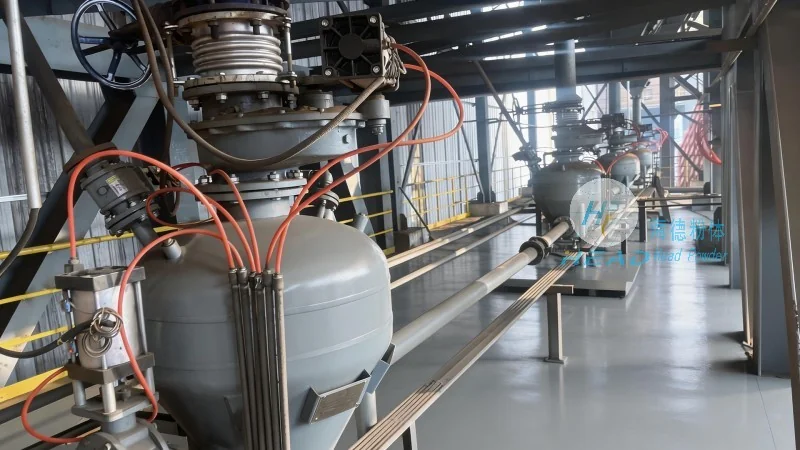
HeadPowder: Your Expert in Powder Handling Solutions
At Shandong HeadPowder Engineering Co., Ltd., we specialize in designing and manufacturing advanced pneumatic conveying systems tailored to the unique needs of silicate and other powder industries. Our company, based in Shandong, China, combines decades of experience with cutting-edge technology to deliver high-performance solutions that enhance productivity and safety in material handling operations.
The Working Principles of Pneumatic Conveying Systems
Pneumatic conveying systems operate on the fundamental principle of using air or gas to move bulk materials through a sealed pipeline. There are two primary types of systems: dilute-phase and dense-phase. Dilute-phase systems utilize high-velocity air to suspend particles, enabling long-distance transport with minimal pressure drops. This method is ideal for materials that are light and free-flowing, as the air flow maintains particle suspension without causing excessive wear on the pipeline. Dense-phase systems, conversely, employ lower air velocities and higher pressure to push particles in a more controlled manner. This approach is suitable for materials that are more abrasive or prone to degradation, as it reduces the risk of product damage and ensures precise delivery to the destination.
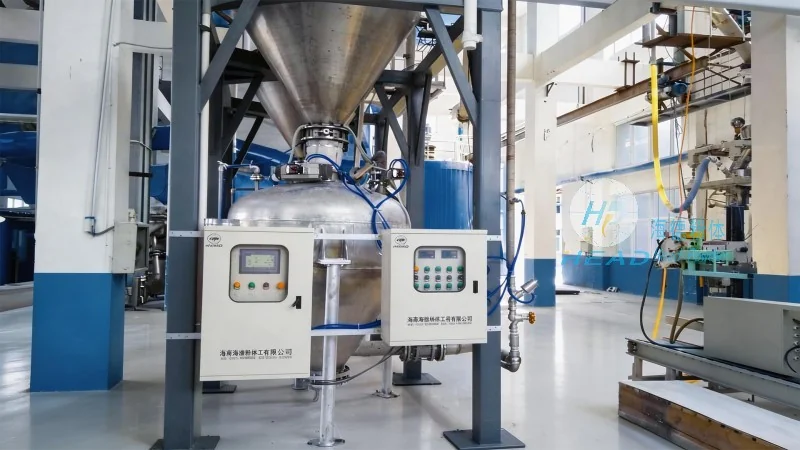
In a typical silicate pneumatic conveying setup, the process begins with the material being fed into a hopper or feeder. The feeder is designed to regulate the flow rate of the material, preventing overloading or underloading that could disrupt the system. From the feeder, the material is drawn into a pipeline by a vacuum or pressure source. The air or gas, introduced at the inlet, creates a flow that carries the particles along the pipeline. The system is engineered to maintain consistent flow rates and pressure, ensuring that the material reaches its destination without clogging or loss of quality. This consistency is crucial for maintaining production efficiency and product integrity.
Key Components and Their Functions
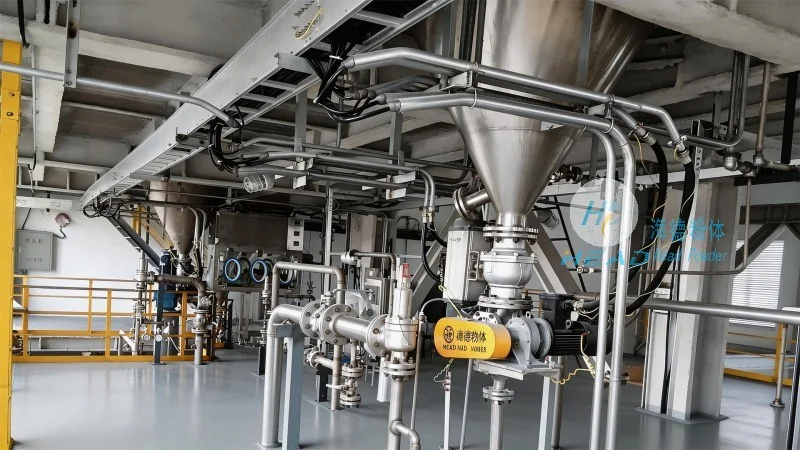
Several critical components work together to ensure the smooth operation of a pneumatic conveying system. These include the feeder, which controls the flow rate of the material; the pipeline, which provides the path for transport; the air or gas source, which supplies the necessary pressure; and the receiver, where the material is collected. Each component is engineered to handle the specific characteristics of silicate materials, such as their density, moisture content, and particle size, to prevent issues like blockages or material degradation. For example, the feeder may be equipped with a rotary valve or screw mechanism to ensure a steady flow, while the pipeline is often made of corrosion-resistant materials like stainless steel to withstand the chemical properties of silicate powders.
Benefits of Using Pneumatic Conveying for Silicate Materials
Implementing a pneumatic conveying system for silicate materials offers numerous advantages. First, it eliminates the need for mechanical components like belts or buckets, reducing maintenance costs and increasing operational reliability. Second, the sealed pipeline prevents contamination from external sources and minimizes dust emissions, which is critical for maintaining environmental standards and worker safety. Third, the system allows for precise control over material flow, enabling accurate dosing and reducing waste. Finally, pneumatic conveying can handle a wide range of particle sizes and shapes, making it versatile for various industrial applications. This adaptability is particularly valuable in the silicate industry, where materials can vary significantly in their physical properties.
Applications in the Silicate Industry
Silicate pneumatic conveying is widely used in the production of ceramics, where raw materials like clay and feldspar are transported from storage to processing equipment. In the glass industry, it is essential for moving sand, soda ash, and other raw materials to furnaces. Additionally, it plays a role in chemical manufacturing, where silicate-based powders are used in the production of coatings and adhesives. The ability to transport these materials efficiently and safely makes pneumatic conveying an indispensable part of modern industrial processes. For instance, in ceramic manufacturing, pneumatic conveying ensures that raw materials are delivered to the kiln at the correct rate, optimizing the firing process and improving product quality. In the glass industry, it helps maintain consistent furnace temperatures by delivering raw materials without introducing contaminants that could affect the glass's properties.