

What is Cotton Fiber Pneumatic Conveying? An Introduction to the Working Principle of Powder Handlin
Understanding the mechanics of cotton fiber pneumatic conveying is crucial for industries dealing with bulk material handling. This article provides a detailed overview of how pneumatic conveying systems operate, focusing on the specific challenges and solutions associated with transporting cotton fibers efficiently and effectively.
Introduction to Pneumatic Conveying Systems
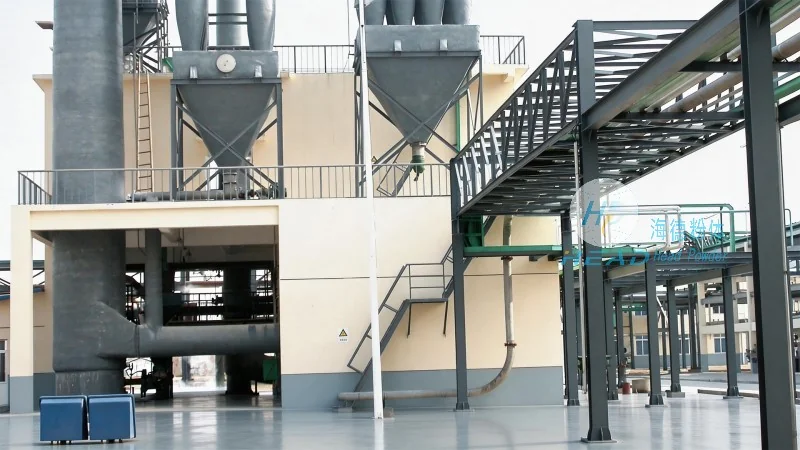
Pneumatic conveying, also known as air conveying, is a method of transporting bulk materials through a pipeline using a stream of air. This technology is widely used in various industries, including agriculture, food processing, and manufacturing, due to its ability to handle a wide range of materials, including fine powders and fibrous substances like cotton. The core principle involves using air pressure or vacuum to move materials from a source to a destination, often with minimal equipment and space requirements compared to traditional methods like belt conveyors or bucket elevators.
Key Components of a Cotton Fiber Pneumatic Conveying System
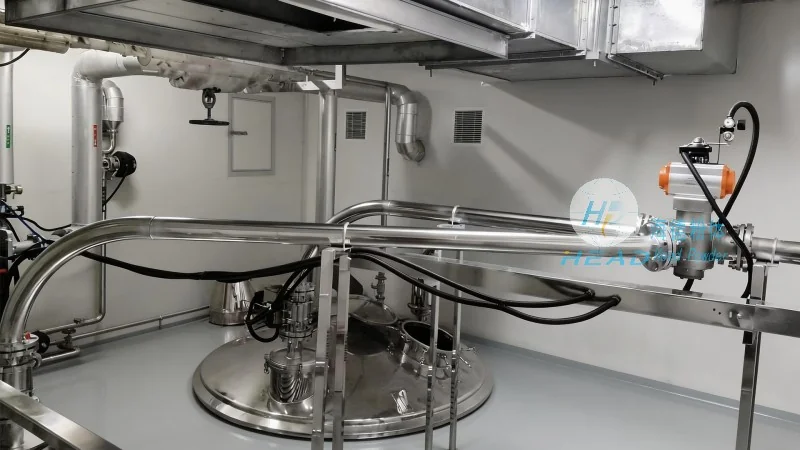
A typical cotton fiber pneumatic conveying system consists of several essential components that work in tandem to ensure smooth material transport. These components include a material hopper or feeder, an air compressor or vacuum pump, a pipeline system, and a discharge device. The material hopper is designed to store and feed the cotton fibers into the system at a controlled rate, preventing blockages and ensuring consistent flow. The air compressor or vacuum pump generates the necessary pressure or vacuum to move the material through the pipeline. The pipeline itself is usually made of metal or plastic, with appropriate fittings and valves to control the flow direction and pressure. The discharge device, such as a rotary valve or a venturi, is used to release the material at the destination point, ensuring it is deposited accurately without spillage or contamination.
Working Principle of Cotton Fiber Pneumatic Conveying
The working principle of a cotton fiber pneumatic conveying system involves the interaction between the material and the air stream. In a pressure system, the air compressor increases the air pressure inside the pipeline, which forces the cotton fibers to move along with the air. The fibers are suspended in the air stream, and the velocity of the air is maintained at a level sufficient to keep the fibers airborne and prevent them from settling. In a vacuum system, the vacuum pump creates a low-pressure environment, drawing the cotton fibers into the pipeline as the air is pulled through. The key to efficient operation is maintaining the correct air velocity and pressure to ensure that the fibers are conveyed without excessive wear on the equipment or degradation of the material.
Advantages of Cotton Fiber Pneumatic Conveying
There are several advantages to using pneumatic conveying for cotton fiber transport. One of the primary benefits is the ability to handle fibrous materials that are difficult to transport using other methods. The system can transport cotton fibers over long distances with minimal loss of quality or integrity. Additionally, pneumatic conveying systems are relatively compact and can be installed in confined spaces, making them suitable for facilities with limited floor space. The process is also clean and hygienic, as the material is contained within the pipeline, reducing the risk of dust contamination or exposure to the environment. Furthermore, the system can be easily integrated with other processing equipment, such as cleaning or sorting machines, to form a complete production line.
Applications of Cotton Fiber Pneumatic Conveying
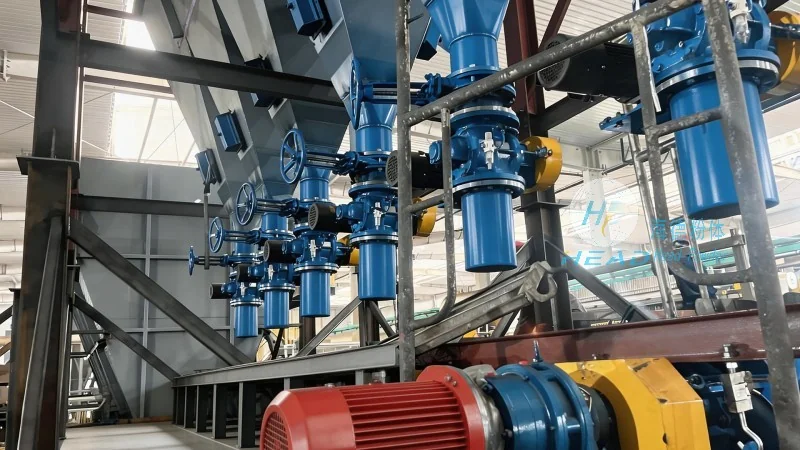
Cotton fiber pneumatic conveying is used in various applications within the textile and agricultural industries. For example, in cotton ginning facilities, the system is used to transport raw cotton from the field to the processing plant. In textile mills, it is used to move cotton fibers from the bale storage area to the spinning machines. The system is also used in the production of cotton-based products, such as cottonseed oil or cottonseed meal, where the fibers are separated from the seeds and transported to the next stage of processing. The versatility of the system allows it to be adapted to different production requirements, making it a valuable tool for manufacturers dealing with cotton fibers.
Conclusion
In conclusion, cotton fiber pneumatic conveying is an efficient and effective method for transporting bulk materials in industries dealing with cotton fibers. The system's ability to handle fibrous materials, its compact design, and its hygienic operation make it a preferred choice for many manufacturers. By understanding the working principle and key components of the system, industries can optimize their material handling processes and improve overall productivity. As technology continues to advance, pneumatic conveying systems are likely to become even more efficient and versatile, further enhancing their role in the cotton fiber processing industry.