

What is Concrete Pneumatic Conveying? An Introduction to the Working Principle of Powder Handling Sy
Concrete pneumatic conveying is a specialized method used to transport bulk materials, particularly in the construction and industrial sectors. This technology involves the use of air pressure to move materials like concrete, powders, and granules through a pipeline system. Understanding the working principle of such systems is crucial for optimizing material handling processes and ensuring efficiency in various applications.
Introduction to Concrete Pneumatic Conveying Systems
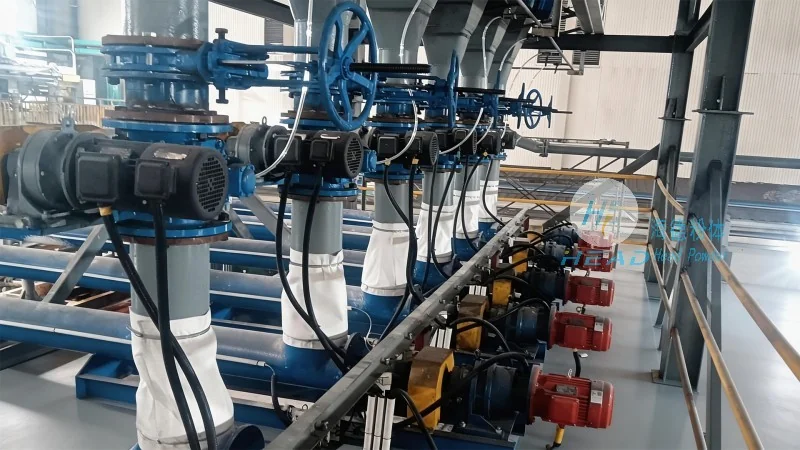
Concrete pneumatic conveying systems are designed to transport dry or semi-dry concrete materials from a source to a destination without the need for mechanical components like belts or buckets. The process relies on the principles of fluidization and air movement to move the material through a network of pipes. This method is widely adopted in the construction industry due to its ability to handle large volumes of material with minimal maintenance and operational complexity.
About Shandong HeadPowder Engineering Co., Ltd.
Shandong HeadPowder Engineering Co., Ltd., commonly known as HeadPowder, is a leading provider of advanced powder handling solutions. With a strong presence in China, particularly in Shandong province, the company specializes in designing, manufacturing, and implementing efficient pneumatic conveying systems for various industrial applications. HeadPowder's expertise lies in developing customized solutions that meet the specific needs of clients in the construction and material processing sectors.
The Working Principle of Concrete Pneumatic Conveying
The core of a concrete pneumatic conveying system is the ability to create a consistent flow of material using air pressure. The process typically involves several key components, including a hopper for material storage, a blower or compressor to generate air pressure, and a pipeline network that transports the material. The system operates by introducing air into the material, causing it to become fluidized and move through the pipes under the force of the air current.
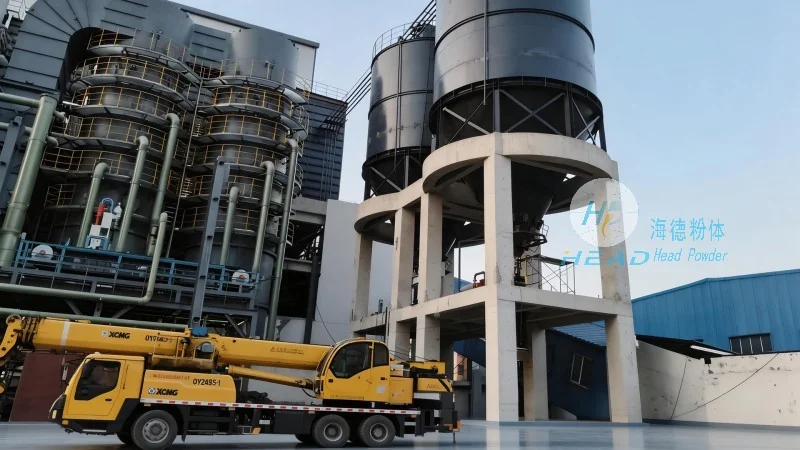
When the material is introduced into the hopper, it is fed into the pipeline system as the air is blown through the pipes. The air pressure creates a negative pressure or positive pressure environment, depending on the system design, which propels the material forward. This method allows for the efficient transport of concrete over long distances and at varying heights, making it suitable for large-scale construction projects.
Key Components and Their Functions
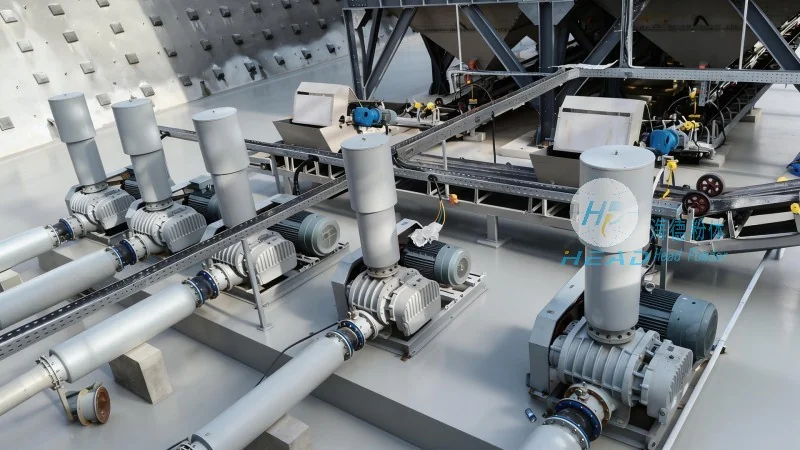
Several critical components work together to ensure the smooth operation of a concrete pneumatic conveying system. These include the material hopper, which stores the concrete and provides a controlled feed; the air compressor or blower, which generates the necessary air pressure to move the material; and the pipeline system, which consists of straight sections, bends, and valves to direct the flow. Additionally, filters and cyclones are used to separate the material from the air at the end of the conveying process, ensuring that the material is delivered in a clean and dry state.
Advantages of Concrete Pneumatic Conveying
Concrete pneumatic conveying offers several advantages over traditional mechanical conveying methods. One of the primary benefits is the reduction in material degradation, as the material is not subjected to mechanical stress during transport. This is particularly important for concrete, which can be sensitive to handling and may degrade if exposed to excessive friction or impact. Additionally, the system is highly efficient in terms of space utilization, as it requires less floor space compared to other conveying methods. The ability to transport material over long distances without the need for intermediate storage or handling points also contributes to increased operational efficiency.
Applications in the Construction Industry
The application of concrete pneumatic conveying systems is widespread in the construction industry. These systems are commonly used in concrete mixing plants, where they are employed to transport raw materials like cement, sand, and gravel from storage silos to the mixing equipment. The ability to handle large volumes of material quickly and efficiently makes this technology essential for meeting the demands of modern construction projects. Additionally, the system is used in precast concrete facilities to transport finished products from production lines to storage or shipping areas.
Conclusion
Concrete pneumatic conveying is a sophisticated and efficient method for transporting bulk materials, particularly in the construction sector. By leveraging the principles of air pressure and fluidization, these systems offer significant advantages over traditional mechanical conveying methods. With the expertise of companies like Shandong HeadPowder Engineering Co., Ltd., the technology continues to evolve, providing construction and industrial clients with reliable and cost-effective solutions for their material handling needs.