

What is Potassium Sulfate Pneumatic Conveying? An Introduction to the Working Principle of Powder Ha
Understanding the mechanics of powder handling systems is crucial for industries dealing with bulk materials like potassium sulfate. This article delves into the concept of pneumatic conveying, specifically focusing on how it applies to the efficient transport of potassium sulfate, a vital fertilizer component. By exploring the working principles behind these systems, we can appreciate the technological advancements that enable seamless material movement in various industrial applications.
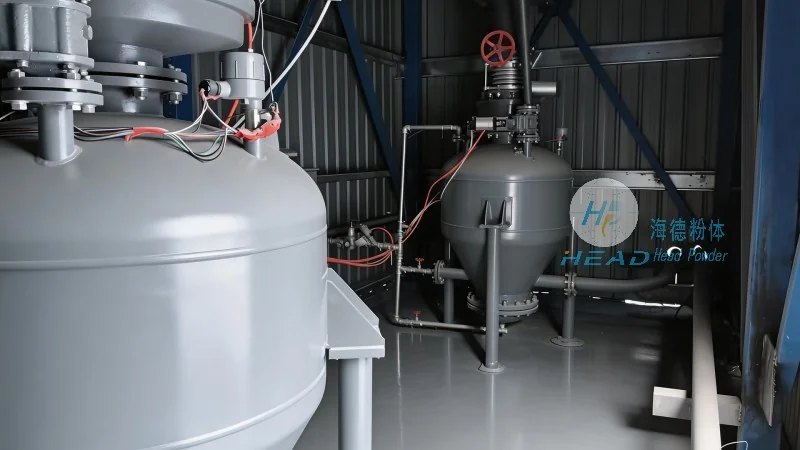
Potassium Sulfate and Its Significance in Industrial Applications
Potassium sulfate, often referred to as K2SO4, is a widely used potassium fertilizer that plays a critical role in agricultural production. It is valued for its high solubility and low salt index, making it an ideal choice for enhancing soil fertility and promoting plant growth. In industrial settings, the efficient handling and transportation of potassium sulfate are essential to maintain production efficiency and ensure product quality. Traditional methods of material transport, such as manual handling or mechanical conveyors, often present challenges like dust generation, material degradation, and operational inefficiencies. This is where pneumatic conveying systems offer a superior solution.
Introduction to Pneumatic Conveying Systems
Pneumatic conveying, or air-assisted material transport, is a method that uses pressurized air or vacuum to move bulk powders through a pipeline. This technology has revolutionized the way industries handle fine and cohesive materials, including fertilizers like potassium sulfate. The core components of a pneumatic conveying system typically include a material feed hopper, a conveying line, a pressure or vacuum source, and a discharge unit. The system operates by creating a flow of air that propels the powder particles through the pipeline, ensuring a continuous and controlled transport process.
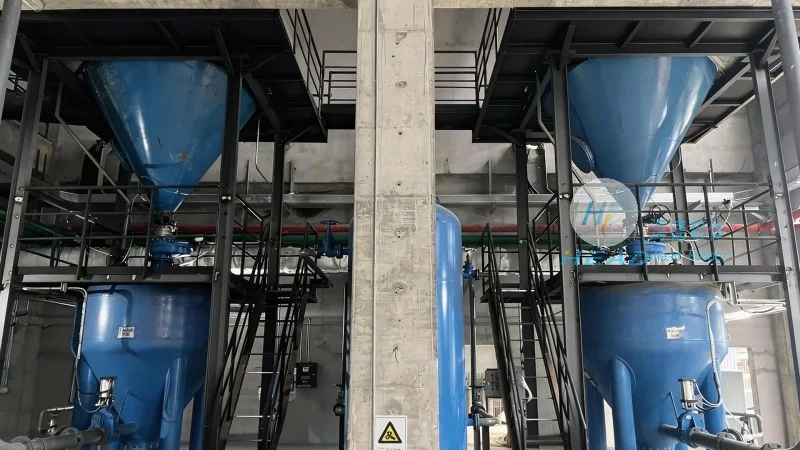
How Pneumatic Conveying Works in Potassium Sulfate Handling
The working principle of pneumatic conveying for potassium sulfate involves several key steps. First, the powder is fed into the system from a storage hopper or silo. The material is then drawn into the conveying line by the air flow, which can be generated through a positive pressure blower or a vacuum pump. As the air and powder mixture travels through the pipeline, the velocity and pressure are maintained to ensure the material remains suspended and moves efficiently. The system may include features like in-line mixers or cyclone separators to enhance the conveying process and prevent material buildup. At the receiving end, the powder is discharged into a collection bin or processing unit, completing the transport cycle.
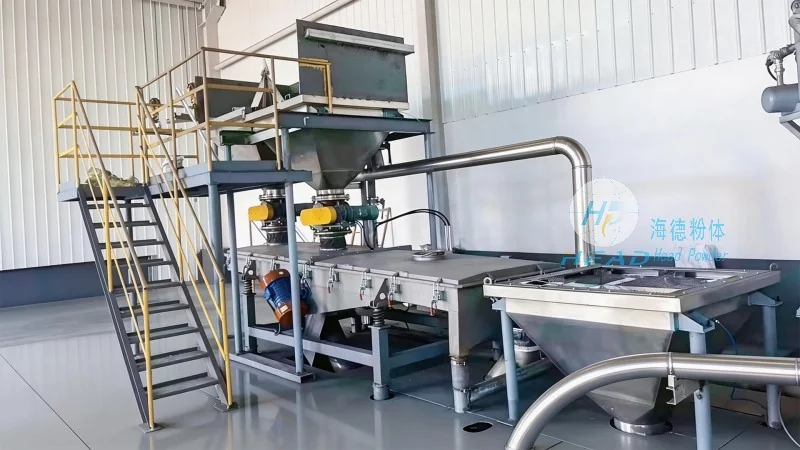
Advantages of Pneumatic Conveying for Potassium Sulfate
Implementing pneumatic conveying systems for potassium sulfate offers numerous advantages over traditional transport methods. One of the primary benefits is the reduction of dust exposure, which enhances workplace safety and compliance with environmental regulations. The enclosed system also minimizes material contamination and degradation, preserving the quality of the fertilizer. Additionally, pneumatic conveying systems are highly flexible and can be easily integrated into existing production lines, allowing for seamless expansion or modification. The ability to transport materials over long distances without the need for multiple transfer points further improves operational efficiency and reduces downtime.
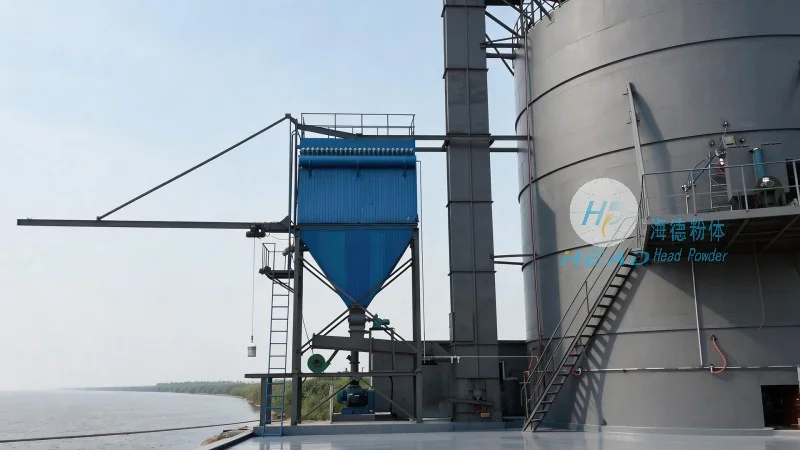
The Role of HeadPowder in Pneumatic Conveying Solutions
Shandong HeadPowder Engineering Co., Ltd., a leading provider of powder handling equipment, specializes in designing and manufacturing customized pneumatic conveying systems tailored to the specific needs of potassium sulfate handling. With years of experience in the industry, HeadPowder leverages advanced engineering and technology to deliver reliable and efficient solutions for bulk material transport. The company's expertise lies in understanding the unique properties of potassium sulfate, such as its flow characteristics and particle size distribution, and adapting the conveying system accordingly. By partnering with HeadPowder, industries can benefit from optimized material handling processes that enhance productivity, reduce costs, and ensure compliance with industry standards.
Conclusion
Pneumatic conveying systems represent a sophisticated approach to handling potassium sulfate, offering significant improvements in efficiency, safety, and material quality. As industries continue to seek innovative solutions for bulk material transport, the adoption of pneumatic conveying technology remains a strategic choice. With the support of companies like Shandong HeadPowder Engineering Co., Ltd., businesses can harness the benefits of this technology to streamline their operations and meet the evolving demands of the agricultural and industrial sectors.