

What is Plaster Powder Material Handling? What Are the Design Principles?
Plaster powder material handling is a critical process in the construction and building materials industry, focusing on the efficient transport and management of plaster powders from production to application. For companies like Shandong HeadPowder Engineering Co., Ltd., based in China, understanding and implementing effective material handling systems is essential for maintaining operational efficiency and product quality. This article explores the fundamentals of plaster powder material handling and the key design principles that underpin successful systems.
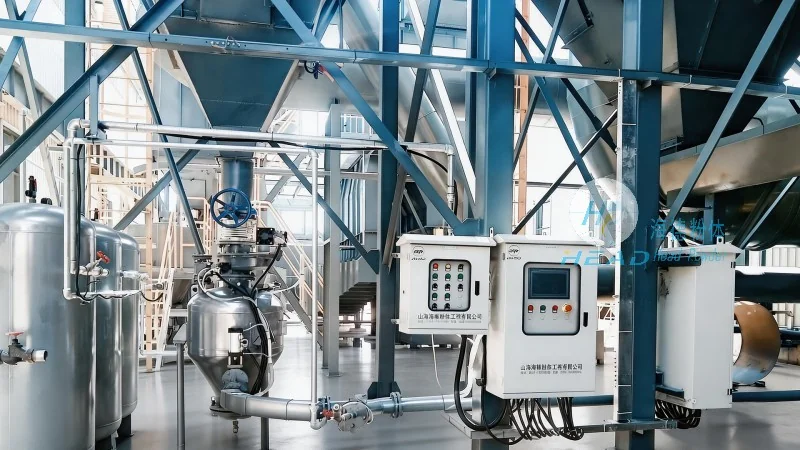
Understanding Plaster Powder Material Handling
Plaster powder, a common building material used for wall finishing and surface preparation, requires specialized handling due to its fine particle size and potential for dust generation. Material handling in this context involves the movement of bulk plaster powders through various stages, including storage, transfer, and feeding to application equipment. The primary goal is to ensure that the powder is transported without degradation, contamination, or loss, while maintaining safety and operational efficiency. Shandong HeadPowder Engineering Co., Ltd. specializes in designing and implementing material handling solutions tailored to the unique characteristics of plaster powders, ensuring that their clients can achieve optimal performance in their production and construction processes.
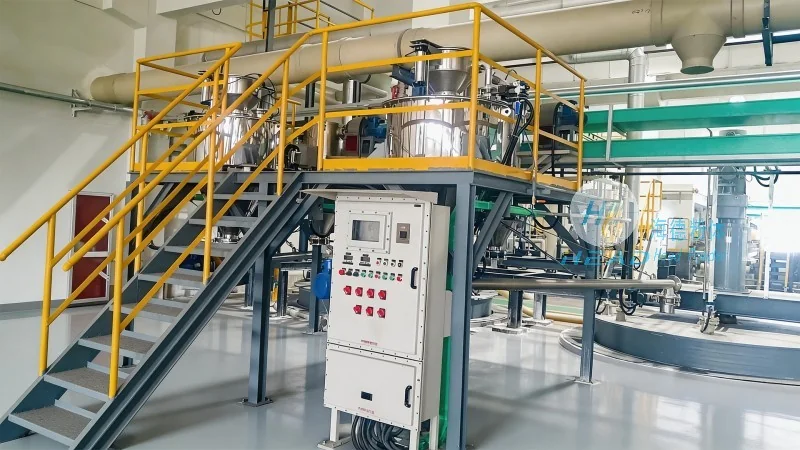
Key Design Principles for Plaster Powder Material Handling Systems
Effective plaster powder material handling systems are built on several fundamental design principles that address the challenges of handling fine powders. These principles include:
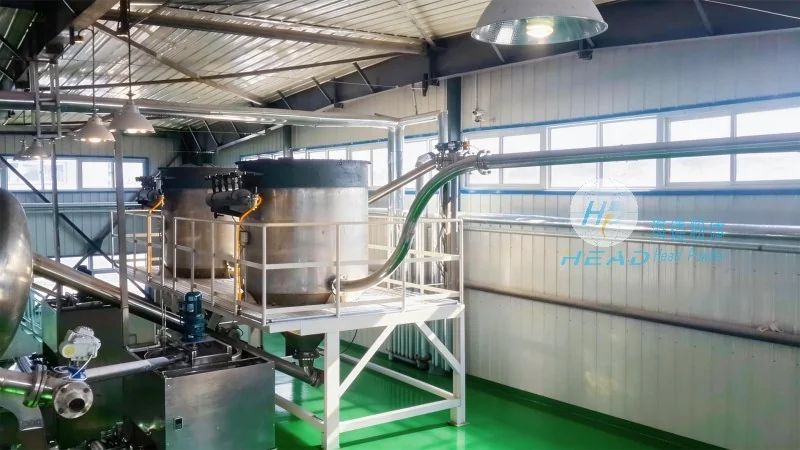
- Containment and Dust Control: Plaster powders are prone to generating dust, which can affect air quality and worker health. Designing systems with sealed containers, enclosed conveyors, and proper ventilation is crucial to minimize dust dispersion. Shandong HeadPowder Engineering Co., Ltd. incorporates advanced dust control measures, such as baghouse filters and cyclone separators, to ensure compliance with environmental regulations and maintain a safe working environment.
- Prevention of Agglomeration: Fine powders like plaster can clump together, leading to blockages in conveying systems and reduced flow rates. Design principles focus on maintaining proper moisture levels, using anti-agglomerating additives, and employing gentle handling methods to prevent clumping. The company’s systems often include vibrators and agitators to keep the powder in a free-flowing state, ensuring smooth transport.
- Efficient Storage and Transfer: Plaster powders are typically stored in silos or bulk containers. Designing systems that allow for easy filling, emptying, and transfer between storage and processing units is vital. Shandong HeadPowder Engineering Co., Ltd. designs silo systems with multiple inlets and outlets, as well as automated level sensors, to optimize storage capacity and minimize downtime during material transfer.
- Material Compatibility: The equipment used for material handling must be compatible with plaster powders, which can be abrasive and corrosive. Materials like stainless steel, rubber, and special coatings are used to prevent wear and degradation. The company’s systems are engineered with durable components that can withstand the harsh conditions of plaster powder handling, ensuring long-term reliability.
The Role of Shandong HeadPowder Engineering Co., Ltd. in Plaster Powder Material Handling
As a leading provider of engineering solutions for the building materials industry, Shandong HeadPowder Engineering Co., Ltd. plays a pivotal role in developing and implementing advanced material handling systems for plaster powders. The company’s expertise lies in understanding the unique properties of plaster powders and translating them into practical, efficient solutions. By integrating the key design principles mentioned above, Shandong HeadPowder Engineering Co., Ltd. helps clients achieve higher productivity, reduced operational costs, and improved product quality. Their commitment to innovation and customer-centric design ensures that their material handling systems are tailored to meet the specific needs of each project, whether it’s a small-scale production facility or a large industrial plant.
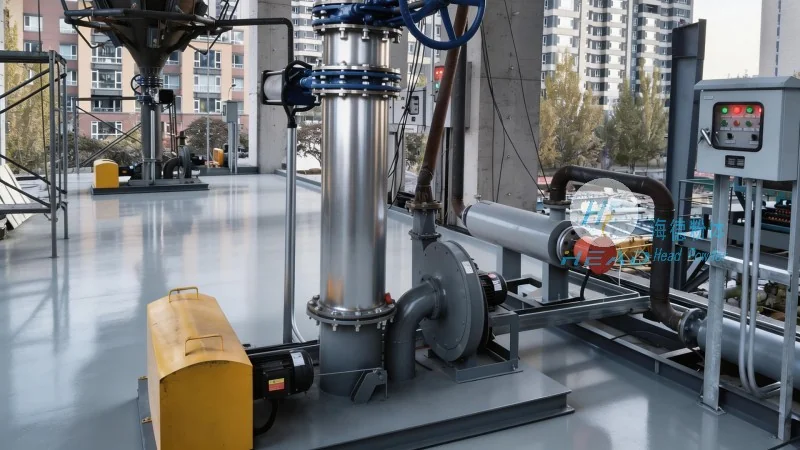
Conclusion
Plaster powder material handling is a complex but essential aspect of the construction and building materials sector. By adhering to fundamental design principles such as dust control, agglomeration prevention, efficient storage, and material compatibility, companies can develop robust systems that enhance operational efficiency and product quality. Shandong HeadPowder Engineering Co., Ltd., with its headquarters in China, is a trusted partner in this process, providing specialized engineering solutions that address the unique challenges of plaster powder handling. Through their expertise and commitment to quality, they help clients achieve their material handling goals while maintaining safety and compliance with industry standards.