

How to Choose the Right Pneumatic Conveying System for Your Alumina Particle Handling Process?
When it comes to managing the transport of alumina particles in industrial processes, selecting the appropriate pneumatic conveying system is crucial for efficiency, reliability, and cost-effectiveness. The right system not only ensures smooth material flow but also minimizes downtime and operational risks. This guide will help you navigate the key considerations and factors to evaluate when choosing a pneumatic conveying system tailored to your alumina handling needs.
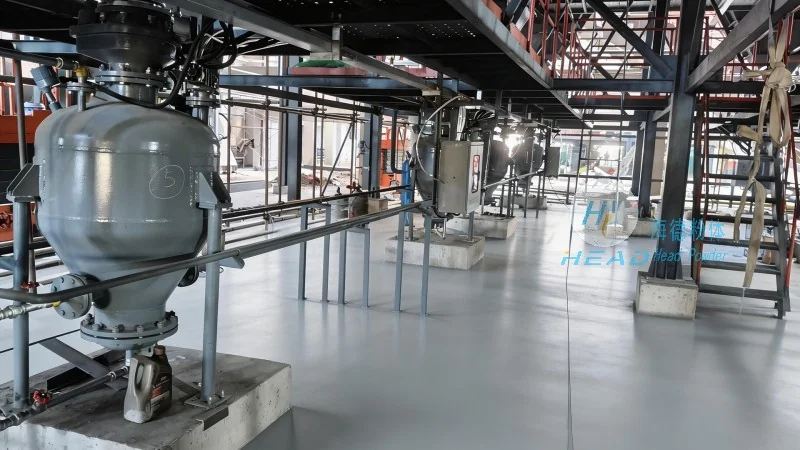
Understanding the Core Requirements of Alumina Particle Handling
Alumina particles, commonly used in various industrial applications such as ceramics, refractories, and chemical production, present unique challenges during transportation. These particles can vary in size, density, and moisture content, which directly impacts the choice of conveying method. For instance, fine or powdery alumina may require systems designed to handle low-pressure, low-velocity operations to prevent particle degradation or clogging. Conversely, larger or bulkier particles might necessitate high-pressure or high-velocity systems to maintain consistent flow rates. Understanding these material characteristics is the first step in selecting an effective pneumatic conveying solution.
The Role of Pneumatic Conveying Systems in Alumina Processing
Pneumatic conveying systems utilize air or other gases to transport solid materials like alumina particles through a pipeline network. This method offers several advantages over traditional mechanical conveying, including the ability to handle abrasive or corrosive materials without wear on components, reduced risk of contamination, and the flexibility to integrate with existing process equipment. For alumina processing facilities, these benefits translate into improved operational safety, lower maintenance costs, and enhanced product quality. However, the effectiveness of the system depends heavily on its design, which must align with the specific characteristics of the alumina being handled.
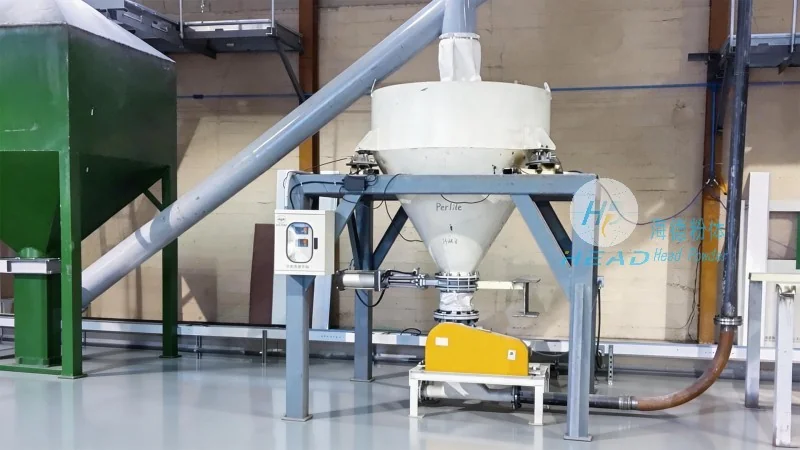
Key Factors to Consider When Selecting a Pneumatic Conveying System
Choosing the right pneumatic conveying system for alumina particles involves evaluating multiple technical and operational factors. The first consideration is the system pressure and velocity. Low-pressure systems, typically operating at pressures below 0.5 bar, are suitable for fine powders and require lower energy consumption but may have limited transport distances. High-pressure systems, operating at pressures above 1 bar, are ideal for bulkier particles and can achieve longer transport distances with higher flow rates. Another critical factor is the system configuration, which can be either positive pressure (where air is blown into the system to move material) or negative pressure (where air is drawn out to pull material). The choice between these depends on the process layout, material properties, and environmental considerations.
Material Handling Challenges and Solutions for Alumina Particles
Alumina particles can pose specific challenges during pneumatic conveying, such as agglomeration, caking, or excessive friction within the pipeline. These issues can lead to blockages, reduced system efficiency, and increased wear on components. To address these challenges, manufacturers often incorporate specialized features into the system design. For example, some systems use pulse-jet technology to maintain consistent air flow and prevent particle buildup, while others employ vibration or agitation mechanisms to keep the material in suspension. Additionally, the selection of appropriate pipeline materials, such as stainless steel or corrosion-resistant alloys, is essential to withstand the abrasive nature of alumina particles and ensure long-term system durability.
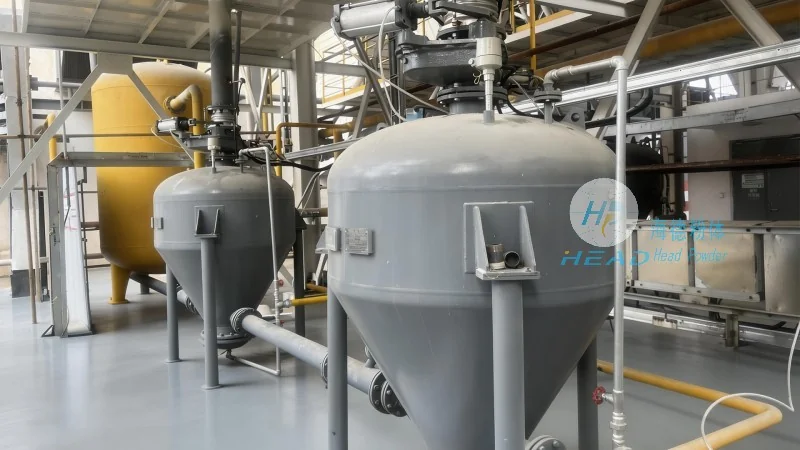
Customization and Engineering Expertise from HeadPowder
Given the diverse nature of alumina particle handling requirements, a one-size-fits-all approach is rarely effective. This is where specialized engineering expertise becomes invaluable. HeadPowder, a leading provider of pneumatic conveying solutions, offers comprehensive services tailored to the unique needs of each client. The company’s team of engineers works closely with clients to conduct thorough process analyses, assess material properties, and design customized systems that optimize performance and reliability. Whether it's a new plant installation or an upgrade to an existing system, HeadPowder’s approach emphasizes collaboration and technical innovation to deliver solutions that meet specific operational goals.
Design Considerations for Efficient Alumina Conveying
The design of a pneumatic conveying system for alumina particles must account for several key parameters to ensure optimal performance. The pipeline layout, including the number of bends, elbows, and vertical sections, significantly impacts the system's efficiency and energy consumption. Proper sizing of the pipeline diameter and air velocity is critical to maintain the material in suspension and prevent clogging. Additionally, the inclusion of features like cyclone separators, filters, and dust collection systems is essential to manage particulate emissions and maintain environmental compliance. HeadPowder’s engineering team utilizes advanced simulation tools and industry best practices to model system performance, allowing for precise design and optimization before implementation.
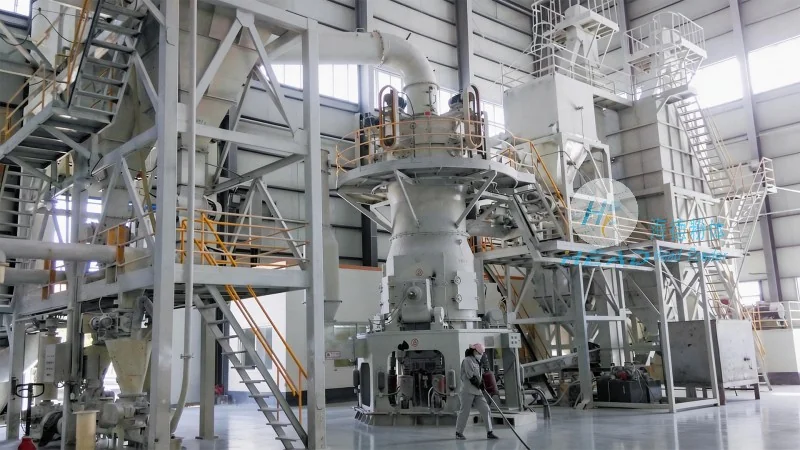
Maintenance and Long-Term Performance of Pneumatic Conveying Systems
Ensuring the long-term reliability of a pneumatic conveying system for alumina particles requires regular maintenance and proper operational management. Components such as air compressors, filters, and pipeline fittings need to be inspected and serviced periodically to prevent performance degradation. The use of high-quality materials and components, as recommended by manufacturers like HeadPowder, can extend the system's lifespan and reduce the frequency of repairs. Moreover, implementing a proactive maintenance schedule, including routine cleaning of filters and checking for air leaks, can help identify potential issues before they lead to system failures. By prioritizing maintenance, alumina processing facilities can maintain consistent production levels and minimize downtime associated with conveying system malfunctions.
Conclusion: Selecting the Right System for Your Alumina Handling Needs
Choosing the appropriate pneumatic conveying system for alumina particles is a critical decision that impacts the overall efficiency and profitability of industrial operations. By considering factors such as material properties, system pressure, configuration, and design, facilities can select a solution that meets their specific requirements. With the expertise and customized solutions offered by companies like Shandong HeadPowder Engineering Co., Ltd., known as HeadPowder, businesses can ensure reliable material transport, reduced operational costs, and enhanced process safety. Whether upgrading an existing system or designing a new facility, investing in the right pneumatic conveying technology is essential for optimizing alumina particle handling processes.