

Operation Process and Working Principle of Small Bag Unpacking Pneumatic Conveying Equipment
HeadPowder, a leading engineering company based in Shandong, China, specializes in the design and manufacturing of advanced pneumatic conveying systems. This article provides a detailed overview of the operation process and working principle of small bag unpacking pneumatic conveying equipment, which is widely used in various industrial applications for efficient material handling.
Company Profile and Background
HeadPowder Engineering Co., Ltd. is a professional manufacturer and supplier of pneumatic conveying equipment. With a strong focus on innovation and quality, the company has established itself as a trusted partner in the industry. HeadPowder's facilities are located in Shandong, China, where the company leverages local resources and expertise to deliver high-performance solutions tailored to customer needs.
Overview of Small Bag Unpacking Pneumatic Conveying Equipment
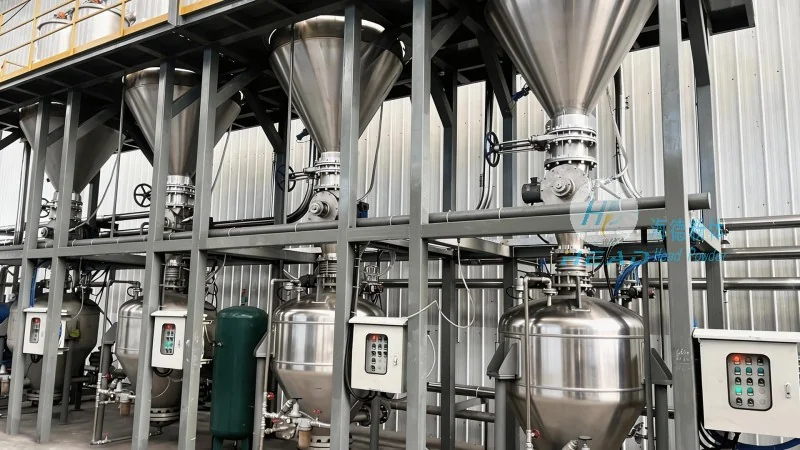
Small bag unpacking pneumatic conveying equipment is a specialized system designed to handle bulk materials that are packaged in small bags or sacks. The primary function of this equipment is to efficiently transfer these materials from the source container to the processing or storage area without manual intervention. The system typically integrates several key components, including a bag opening mechanism, a hopper for material collection, a conveying pipeline, and a discharge unit. Each component works in tandem to ensure smooth and continuous material flow.
Working Principle of the Equipment
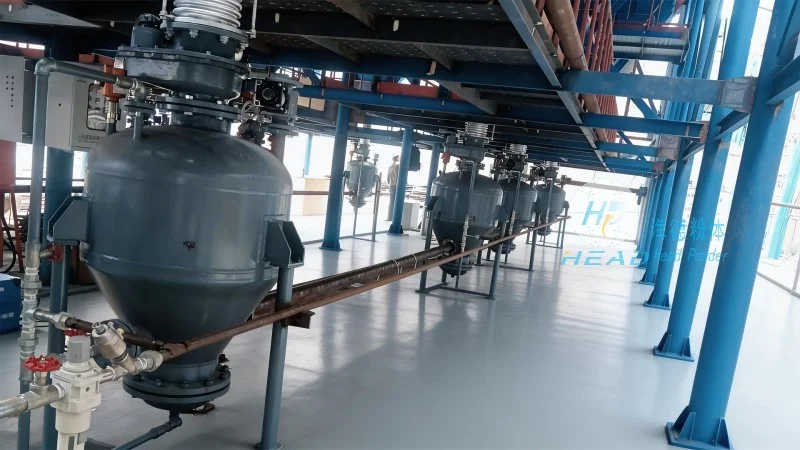
The working principle of small bag unpacking pneumatic conveying equipment is based on the fundamental concept of pneumatic transport, which utilizes air or gas to move solid particles through a pipeline. In the case of small bag unpacking systems, the process begins with the opening of the bag, which may involve mechanical or pneumatic mechanisms to break the seal and release the contents. Once the bag is opened, the material falls into a hopper or a collection chamber. From there, the material is drawn into the conveying pipeline by a vacuum or pressure source, depending on the system design. The conveying medium, usually air, is controlled by a blower or a vacuum pump to create the necessary pressure differential that propels the material forward. The system may employ different types of conveying modes, such as pressure or vacuum systems, to suit the specific characteristics of the material being handled.
Operation Process Step-by-Step
The operation process of small bag unpacking pneumatic conveying equipment can be broken down into several sequential steps. First, the small bags containing the bulk material are placed in the designated position, often on a conveyor or a feeding platform. The bag opening mechanism then activates, either by mechanical force or pneumatic pressure, to open the bag and allow the material to flow into the hopper. The material is then collected in the hopper, which may be equipped with a vibrating or rotating mechanism to ensure uniform feeding. Next, the conveying system is activated, and the material is drawn into the pipeline by the vacuum or pressure source. The material travels through the pipeline, which may include bends, elbows, or other components to direct the flow to the discharge point. Finally, the material is discharged from the pipeline into the target container or processing unit. The entire process is automated, minimizing human involvement and ensuring consistent performance.
Key Components and Their Functions
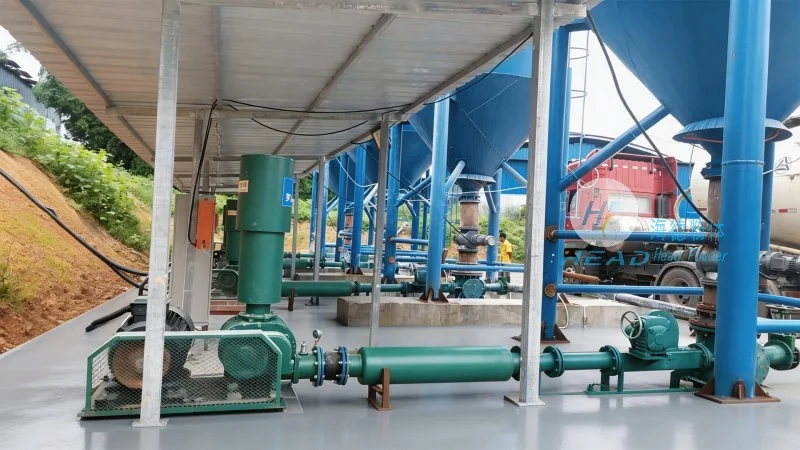
Several critical components contribute to the efficient operation of small bag unpacking pneumatic conveying equipment. The bag opening device is responsible for accessing the material inside the bag, which may include cutting, tearing, or pneumatic bursting mechanisms. The hopper or collection chamber serves as a buffer to accumulate the material before it is conveyed, preventing blockages and ensuring a steady flow. The conveying pipeline, typically made of metal or plastic, transports the material and air mixture. The blower or vacuum pump provides the necessary air flow to create the pressure differential. The discharge unit, such as a rotary valve or a venturi, controls the release of the material into the next stage of the process. Each component is designed to work in harmony, ensuring that the system operates reliably and efficiently.
Advantages and Applications
Small bag unpacking pneumatic conveying equipment offers several advantages over traditional manual handling methods. It significantly reduces labor costs and improves safety by eliminating the need for workers to handle heavy bags or perform manual unloading. The automated process also ensures consistent material flow and reduces the risk of contamination or loss. This equipment is widely used in industries such as food processing, pharmaceuticals, chemicals, and minerals, where handling bulk materials in small bags is common. The versatility of the system allows it to handle a wide range of materials, from fine powders to granules, with minimal modifications.
Maintenance and Operational Considerations
To ensure optimal performance and longevity of small bag unpacking pneumatic conveying equipment, regular maintenance is essential. This includes checking the condition of the bag opening mechanism, cleaning the hopper and pipeline to prevent clogging, and inspecting the blower or vacuum pump for proper operation. The system should also be monitored for air leaks or pressure fluctuations, as these can affect the conveying efficiency. Proper training of operators is also crucial to ensure that the equipment is used correctly and safely. By following these maintenance and operational guidelines, the equipment can provide reliable service for extended periods, maximizing its return on investment.