HeadPowder, a leading manufacturer based in Shandong, China, specializes in the design and production of advanced fly ash silo pneumatic conveying equipment. This equipment is crucial for the efficient handling and transportation of fly ash from storage silos to processing or disposal facilities. The following article provides a detailed overview of the operation process and working principle of such systems, highlighting the key components and their functions.
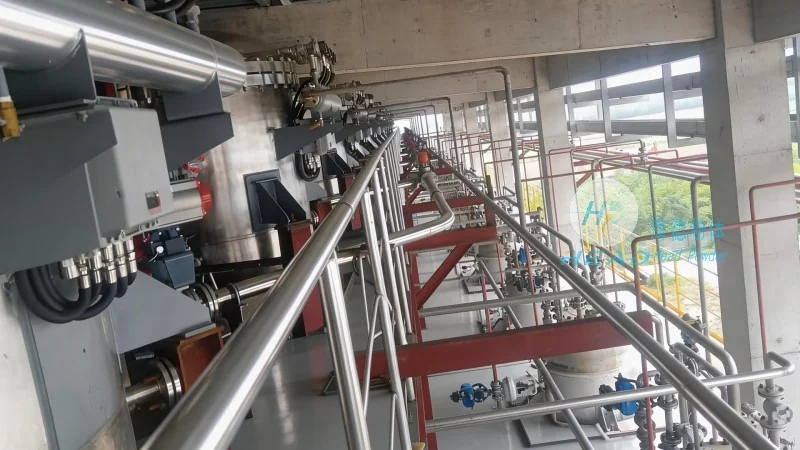
Key Components of the Pneumatic Conveying System
The fly ash silo pneumatic conveying system typically consists of several essential components that work in tandem to ensure smooth and reliable operation. These include the fly ash silo, a conveying pipeline network, a blower or air compressor, a control system, and a discharge unit. Each component plays a vital role in the overall functionality of the system.
Operation Process of the Equipment
The operation process of the fly ash silo pneumatic conveying equipment begins with the preparation of the fly ash in the storage silo. The silo is equipped with a feeding mechanism, such as a rotary valve or a screw feeder, which regulates the flow of fly ash into the conveying pipeline. Once the fly ash is fed into the pipeline, the blower or air compressor generates a high-pressure air stream that propels the material through the system. The air stream creates a negative pressure in the pipeline, which draws the fly ash particles along with the air flow. The conveying process continues until the fly ash reaches the discharge point, where it is collected and processed further.
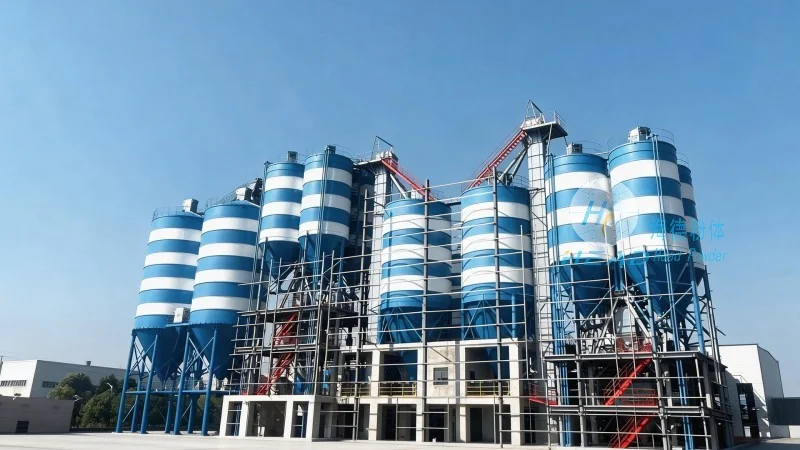
Working Principle of the Pneumatic Conveying System
The working principle of the fly ash silo pneumatic conveying system is based on the principle of pneumatic transport, where solid materials are transported using a gas stream. The system operates by creating a pressure differential between the inlet and outlet of the conveying pipeline. The blower or air compressor supplies the necessary air pressure to move the fly ash particles. The air stream carries the fly ash particles through the pipeline, and the control system regulates the flow rate and pressure to maintain optimal performance. The discharge unit at the end of the pipeline collects the fly ash and prepares it for subsequent use or disposal.
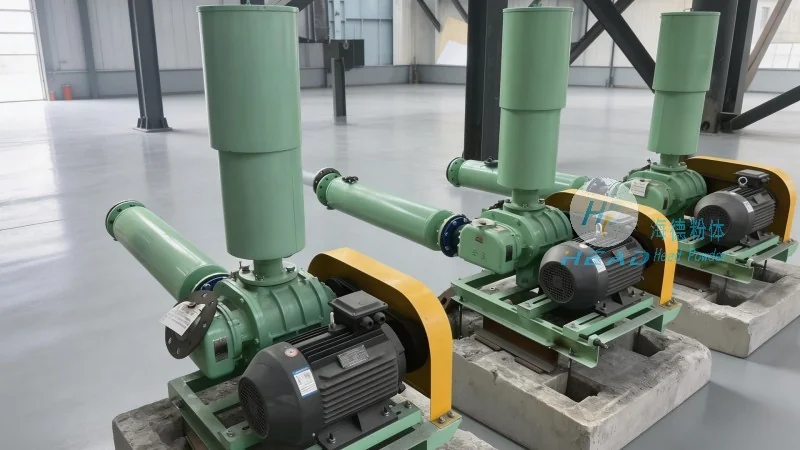
Advantages of Using Pneumatic Conveying for Fly Ash Handling
Utilizing pneumatic conveying systems for fly ash handling offers several advantages over traditional methods. These include reduced labor costs, improved safety by minimizing manual handling, and enhanced efficiency in material transportation. The system also helps in maintaining a clean and dust-free environment, which is crucial for compliance with environmental regulations. Additionally, the equipment is designed to handle various types of fly ash, including dry and wet ash, with minimal maintenance requirements.
Conclusion
HeadPowder's fly ash silo pneumatic conveying equipment is a reliable and efficient solution for the transportation of fly ash from storage silos. By understanding the operation process and working principle of such systems, users can optimize their operations and ensure compliance with industry standards. The company's commitment to quality and innovation ensures that its products meet the highest standards of performance and durability.




