

Operation Process and Working Principle of Pulse Dust Removal Pneumatic Conveying Equipment
For industrial applications that require efficient dust removal and material transport, pulse dust removal pneumatic conveying equipment plays a crucial role. This equipment integrates dust collection and material conveying functions, offering a compact and effective solution for various production environments. In this article, we will explore the operation process and working principle of such equipment, providing a comprehensive understanding of its functionality and application.
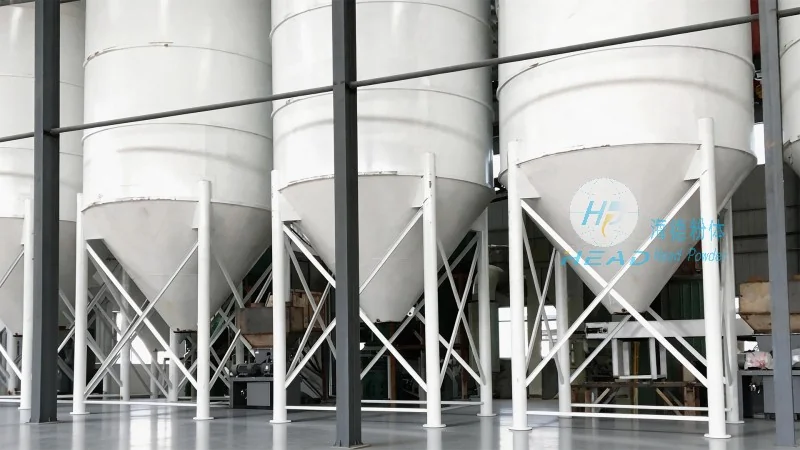
HeadPowder, a leading manufacturer in the field, specializes in the design, development, and production of advanced dust removal and pneumatic conveying systems. With a focus on innovation and quality, the company has established itself as a trusted partner for industries seeking reliable solutions to manage dust and transport bulk materials. The company's headquarters is located in Shandong, China, where it leverages local resources and expertise to deliver high-performance equipment tailored to customer needs.
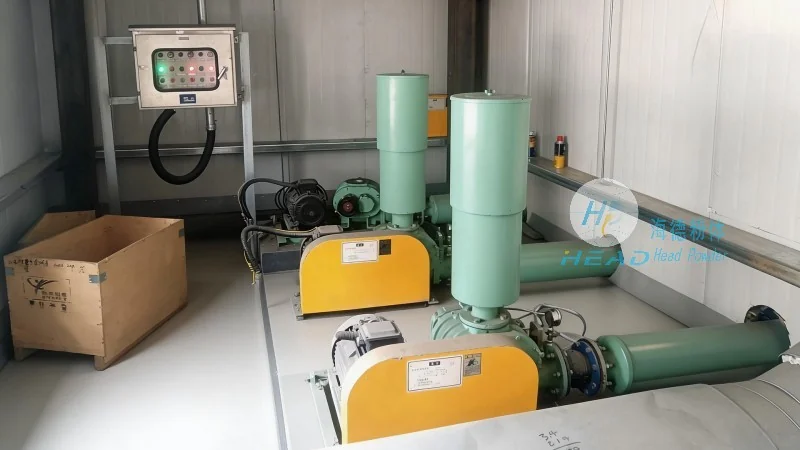
Operation Process of Pulse Dust Removal Pneumatic Conveying Equipment
The operation process of pulse dust removal pneumatic conveying equipment typically involves several key steps, each designed to ensure efficient material handling and dust control. The process begins with the material being fed into the dust collection hopper. From there, the material is drawn into the conveying line through the action of a pulse valve, which creates a series of high-pressure air pulses. These pulses generate a negative pressure in the conveying line, pulling the material particles along with the air stream. The material is then transported to the discharge point, where it is collected in a designated container. Throughout the process, the pulse control system regulates the frequency and duration of the air pulses, optimizing the conveying efficiency and minimizing energy consumption. The system operates continuously, with the dust collector capturing airborne particles and the conveying line ensuring that the material is moved from the collection point to the discharge point without interruption.
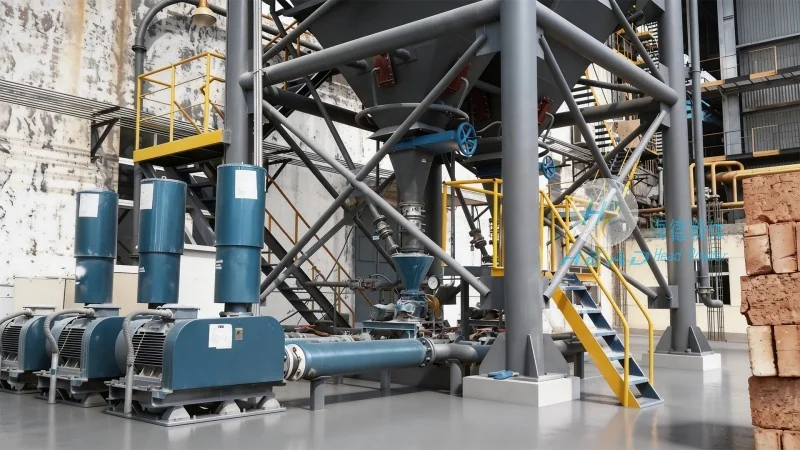
Working Principle of Pulse Dust Removal Pneumatic Conveying Equipment
The working principle of pulse dust removal pneumatic conveying equipment is based on the principle of pneumatic transport, where materials are conveyed using a gas stream. The system consists of several components, including a dust collector, a conveying line, a pulse valve, and a control system. The dust collector captures airborne particles, while the conveying line transports the material from the collection point to the discharge point. The pulse valve is the core component that generates the air pulses, which create a pressure differential that drives the material flow. The control system monitors the system parameters, such as pressure and flow rate, and adjusts the pulse frequency to maintain optimal operation. This integrated approach ensures that both dust removal and material conveying are achieved efficiently and reliably. The dust collector uses filtration media to trap dust particles, preventing them from being released into the environment. The conveying line is typically made of flexible or rigid tubing, depending on the application requirements. The pulse valve is controlled by an electric or pneumatic actuator, which responds to the control system's signals to regulate the air flow. The entire system is designed to operate with minimal maintenance, ensuring long-term reliability and performance.
Key Components and Their Functions
Several key components work together to ensure the smooth operation of pulse dust removal pneumatic conveying equipment. The dust collector is responsible for capturing airborne particles, which are then collected in a hopper. The conveying line transports the material from the dust collector to the discharge point. The pulse valve generates the air pulses that create the negative pressure needed for material transport. The control system regulates the operation of the pulse valve and monitors system parameters. Each component plays a critical role in the overall performance of the equipment, and any malfunction can affect the efficiency of dust removal and material conveying.
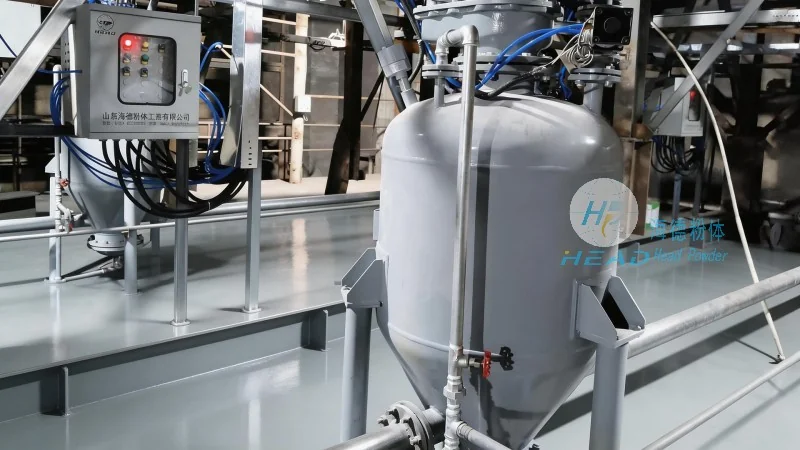
Benefits and Applications
Pulse dust removal pneumatic conveying equipment offers several benefits, including high efficiency, low maintenance, and compact design. It is suitable for a wide range of applications, including chemical, pharmaceutical, food, and cement industries. The equipment can handle various materials, including powders, granules, and bulk solids. It is also environmentally friendly, as it captures dust particles and prevents them from being released into the atmosphere. The compact design makes it suitable for installations with limited space, and the low maintenance requirements reduce operational costs.