

What is Styrene Pneumatic Conveying Equipment? An Introduction to the Structure and Principle of Pow
For industrial applications involving the handling of bulk materials like styrene, efficient and reliable equipment is crucial. Pneumatic conveying systems have emerged as a preferred solution due to their ability to transport powders and granules over long distances with minimal product degradation. This article provides an in-depth look at styrene pneumatic conveying equipment, exploring its structure, working principles, and the key components that make it effective for industrial use.
Introduction to Pneumatic Conveying Systems
Pneumatic conveying systems are mechanical devices designed to transport bulk materials through a pipeline using a gas, typically air or a mixture of air and other gases. These systems are widely used in various industries, including chemical, pharmaceutical, food, and plastics manufacturing, due to their flexibility and ability to handle a wide range of materials. The primary goal of such systems is to move powders and granules from one location to another without the need for mechanical components like belts or buckets, which can cause product contamination or damage.
The Structure of Styrene Pneumatic Conveying Equipment
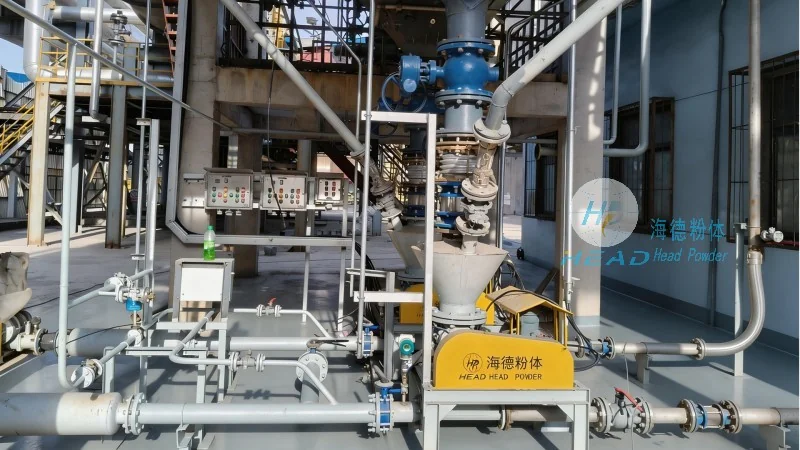
The structure of styrene pneumatic conveying equipment typically consists of several key components that work in tandem to ensure efficient material transport. The main parts include the material feed hopper, the air compressor or blower, the conveying line, the control valves, and the discharge hopper. Each component plays a critical role in the overall operation of the system.
First, the material feed hopper is used to store and feed the styrene powder into the conveying line. It is designed to maintain a consistent flow of material, preventing blockages and ensuring a steady supply to the system. The hopper is often equipped with a rotary valve or a feeder that controls the rate of material discharge, which is crucial for maintaining the desired flow rate and preventing overloading of the conveying line.
Next, the air compressor or blower is responsible for generating the necessary air pressure to move the material through the pipeline. The choice of compressor depends on the specific requirements of the application, such as the distance to be covered, the material characteristics, and the desired flow rate. High-pressure blowers are commonly used for long-distance conveying, while low-pressure systems are suitable for shorter distances or when handling lighter materials.
The conveying line itself is a crucial part of the system, typically made of stainless steel or other corrosion-resistant materials to withstand the chemical properties of styrene and prevent contamination. The pipeline is designed with bends and elbows that minimize pressure loss and ensure smooth material flow. The line is also equipped with pressure sensors and flow meters to monitor the system's performance and detect any issues that may arise.
Control valves are another essential component, used to regulate the air pressure and flow rate within the system. These valves can be automated or manually operated, allowing operators to adjust the system's performance based on changing conditions. The control valves help maintain a stable pressure environment, preventing excessive pressure buildup that could damage the equipment or cause material spillage.
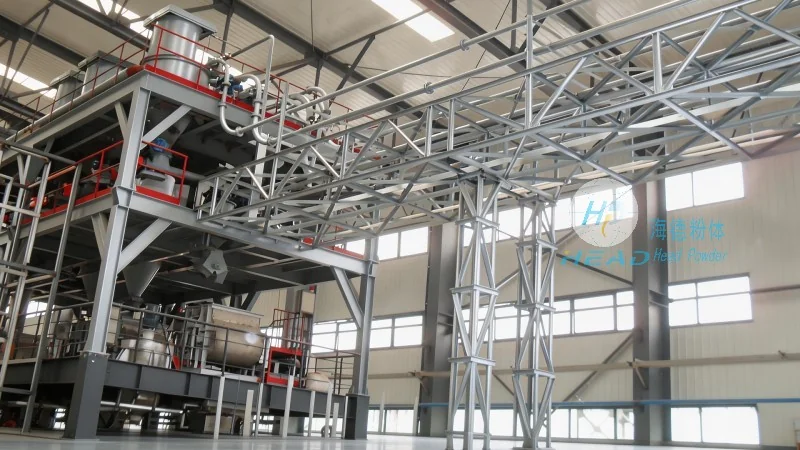
Finally, the discharge hopper is used to collect the material at the end of the conveying line. It is designed to handle the incoming material and direct it to the next processing stage or storage area. The hopper is often equipped with a rotary valve or a feeder that controls the rate of material discharge, similar to the feed hopper, ensuring a consistent flow of material.
The Working Principle of Pneumatic Conveying Systems
The working principle of styrene pneumatic conveying equipment is based on the use of air pressure to move the material through the pipeline. The process typically involves the following steps:
1. Material Feeding: The styrene powder is fed from the material feed hopper into the conveying line. The feeder controls the rate of material discharge, ensuring a consistent flow.
2. Air Compression: The air compressor or blower generates the necessary air pressure, which is then introduced into the conveying line.
3. Material Suspension: The high-pressure air creates a flow that suspends the styrene particles in the air stream, allowing them to be transported through the pipeline.
4. Transportation: The suspended material is carried through the conveying line to the discharge hopper.
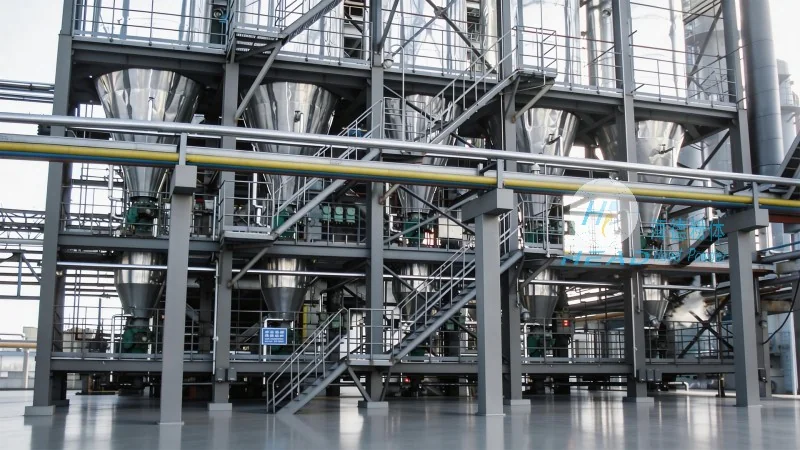
5. Discharge: The material is discharged from the hopper into the next processing stage or storage area.
During the transportation process, the air and material mixture flows through the pipeline, with the air pressure maintaining the suspension of the particles. The system is designed to ensure that the material remains suspended throughout the entire conveying process, preventing settling or blockages.
Application in Styrene Handling
Styrene is a widely used chemical in the production of polystyrene and other plastics. Handling styrene powder requires specialized equipment due to its chemical properties and the need for efficient, contamination-free transport. Pneumatic conveying systems are particularly well-suited for styrene handling due to their ability to transport the material without direct contact with mechanical components, which could introduce contaminants or cause product degradation.
The equipment from Shandong HeadPowder Engineering Co., Ltd. is specifically designed to handle styrene and other similar powders. The company, known as headpowder, specializes in the design and manufacturing of high-quality pneumatic conveying systems tailored to the needs of various industries. Their equipment is built with corrosion-resistant materials to withstand the chemical properties of styrene and other chemicals, ensuring long-term durability and reliability.
The company's facilities are located in Shandong, China, where they leverage advanced manufacturing techniques and quality control processes to produce equipment that meets the highest industry standards. Their commitment to innovation and customer satisfaction has made them a trusted partner for businesses in the chemical and plastics industries.
Advantages of Pneumatic Conveying for Styrene Handling
Pneumatic conveying systems offer several advantages when used for styrene handling, including:
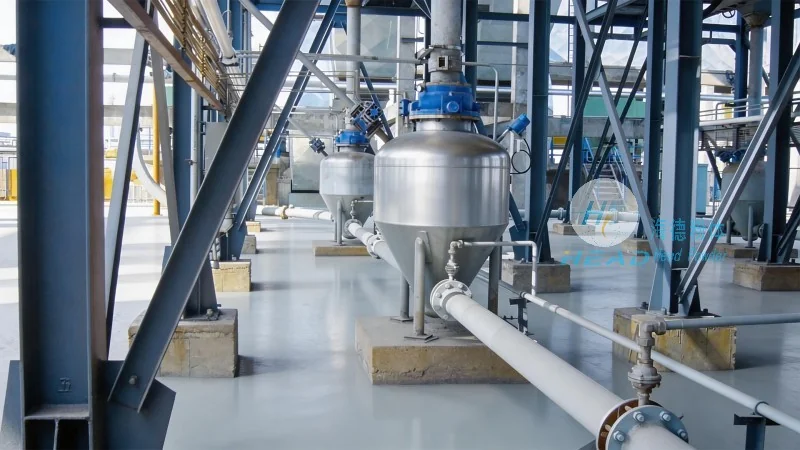
1. Efficient Material Transport: The systems can transport styrene over long distances with minimal pressure loss, ensuring consistent flow rates.
2. Reduced Product Contamination: Since the material is not in direct contact with mechanical components, the risk of contamination is significantly reduced.
3. Flexibility: Pneumatic conveying systems can be easily adjusted to handle different material types and flow rates, making them versatile for various applications.
4. Low Maintenance: The absence of moving parts in the conveying line reduces the need for frequent maintenance, lowering operational costs.
5. Energy Efficiency: Modern pneumatic conveying systems are designed to be energy-efficient, reducing operational costs and environmental impact.
Conclusion
Styrene pneumatic conveying equipment is a critical component in the industrial handling of styrene and other bulk materials. The structure and working principles of these systems are designed to ensure efficient, reliable, and contamination-free transport. Companies like Shandong HeadPowder Engineering Co., Ltd. play a vital role in providing high-quality equipment that meets the specific needs of the industry. By leveraging advanced technology and quality manufacturing, these companies help businesses in the chemical and plastics sectors improve their operational efficiency and product quality.