

Cement and Mineral Powder Pneumatic Conveying Equipment: Structure and Working Principle
Efficient material handling is a critical aspect of modern industrial operations, especially when dealing with bulk powders like cement and mineral powders. The pneumatic conveying equipment, specifically designed for transporting such materials, plays a vital role in ensuring smooth and reliable production processes. This article provides an in-depth look at the cement and mineral powder pneumatic conveying equipment, exploring its structure and working principle to help readers understand its functionality and applications. As a leading manufacturer in the field, Shandong HeadPowder Engineering Co., Ltd. specializes in providing high-quality pneumatic conveying solutions tailored to the unique needs of the cement and mineral processing industries.
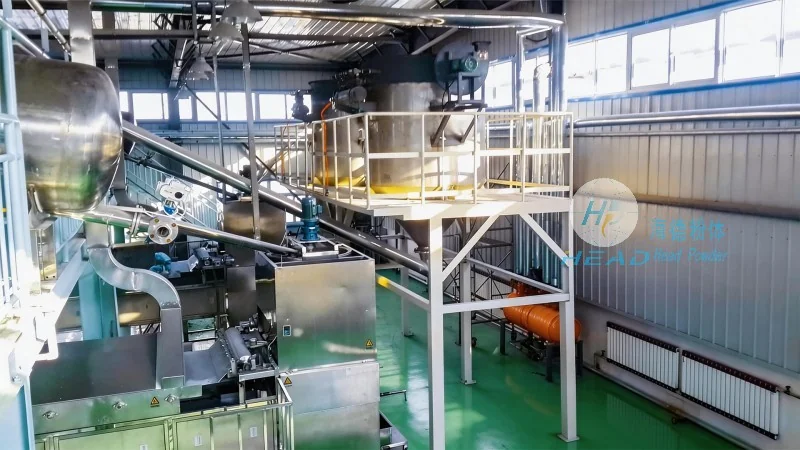
Introduction to Pneumatic Conveying Systems for Cement and Mineral Powders
Pneumatic conveying systems are widely used in the cement and mineral processing industries to transport dry powders over short to medium distances. These systems utilize air or gas as the conveying medium to move materials from one location to another, eliminating the need for mechanical components like belts or buckets. The primary advantage of pneumatic conveying is its ability to handle fine powders without causing dust contamination or material degradation, making it ideal for applications where product purity and process efficiency are paramount.
Key Components of the Pneumatic Conveying Equipment
The cement and mineral powder pneumatic conveying equipment consists of several key components that work in tandem to achieve efficient material transport. The main components include the hopper, feeder, air compressor, conveying line, and receiver. Each component plays a crucial role in the overall operation of the system.
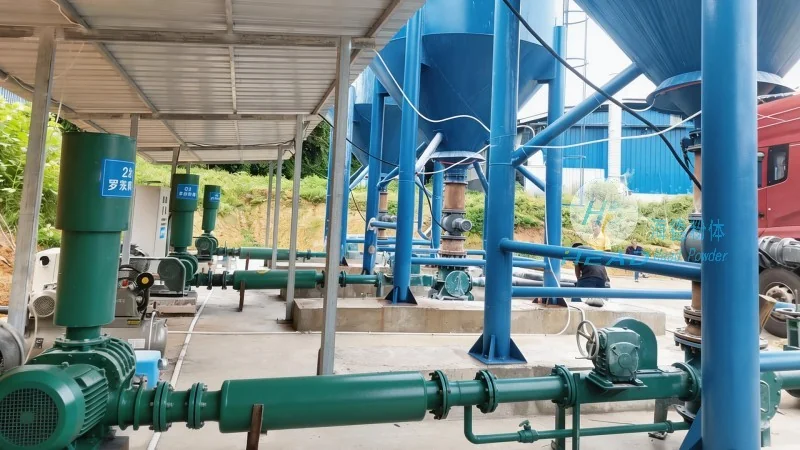
The hopper is the initial storage container where the cement or mineral powder is loaded. It is designed with a conical or rectangular shape to facilitate uniform material flow and prevent clogging. The feeder, typically a rotary valve or a screw feeder, regulates the flow of material from the hopper into the conveying line. This component ensures a consistent and controlled discharge of the powder, preventing overloading or underloading of the system.
The air compressor is the heart of the pneumatic conveying system, responsible for generating the necessary air pressure to move the material. It can be a positive displacement compressor or a centrifugal compressor, depending on the system requirements. The conveying line, usually made of stainless steel or plastic, carries the air and powder mixture from the feeder to the receiver. The receiver is the final storage container where the material is deposited after being conveyed through the system. It is equipped with a dust collection system to ensure that any fine particles are captured and returned to the process.
Working Principle of the Pneumatic Conveying Equipment
The operation of the cement and mineral powder pneumatic conveying equipment follows a simple yet effective principle. The process begins with the material being fed from the hopper into the conveying line through the feeder. Simultaneously, the air compressor supplies compressed air into the conveying line. As the air flows through the line, it creates a low-pressure zone that draws the powder particles into the air stream. The mixture of air and powder is then transported through the conveying line to the receiver.
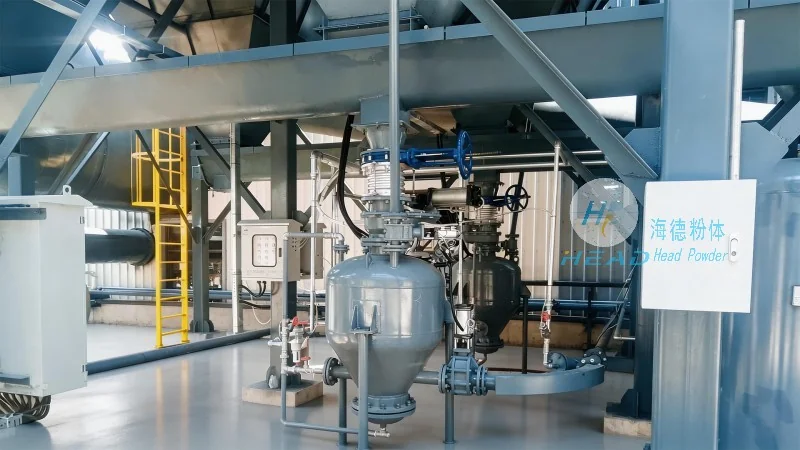
The velocity of the air in the conveying line is a critical factor in determining the efficiency of the system. If the air velocity is too low, the powder may not be fully entrained and could settle in the line, leading to blockages. Conversely, if the air velocity is too high, excessive energy consumption and potential material degradation may occur. The optimal air velocity is determined based on the particle size, density, and moisture content of the material being conveyed.
The pneumatic conveying system can operate in either positive or negative pressure modes. In positive pressure systems, the conveying line is pressurized above atmospheric pressure, which helps to prevent dust leakage and maintain a clean environment. In negative pressure systems, the receiver is kept under a slight vacuum, which draws the material from the feeder into the line. Both modes have their advantages and are chosen based on the specific application requirements and the need to control dust emissions.
Applications and Benefits of the Pneumatic Conveying Equipment
The cement and mineral powder pneumatic conveying equipment is widely used in various industrial applications, including cement production, mineral processing, and chemical manufacturing. Its ability to handle fine powders without causing contamination makes it suitable for applications where product quality is a top priority. The system also offers several benefits, such as reduced labor costs, increased production efficiency, and improved safety compared to traditional mechanical conveying methods.
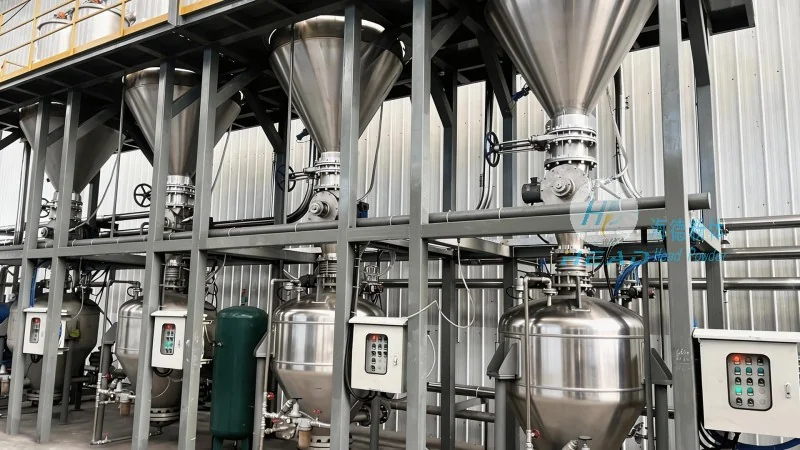
One of the key benefits of pneumatic conveying is its flexibility in terms of system layout. The equipment can be configured to handle materials over different distances and at various heights, making it adaptable to different production environments. Additionally, the system can be integrated with other process equipment, such as mixers and classifiers, to form a complete material handling solution.
The use of pneumatic conveying equipment also contributes to environmental sustainability by reducing the need for manual handling and minimizing dust emissions. The enclosed system design helps to contain dust and prevent it from entering the environment, which is particularly important in industries where air quality regulations are stringent.