

Principle of Pneumatic Conveying System for Dust and Particulate Materials
HeadPowder, a leading engineering company based in Shandong, China, specializes in the design and implementation of advanced pneumatic conveying systems tailored for the efficient handling of dust and particulate materials. This article delves into the fundamental principles underlying such systems, highlighting the technical aspects that ensure optimal performance and reliability in industrial applications.
Understanding Pneumatic Conveying Technology
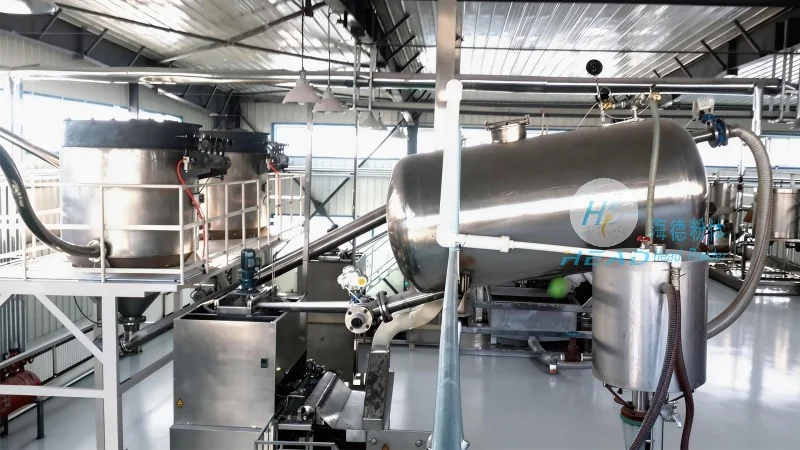
Pneumatic conveying systems utilize compressed air or other gases to transport bulk materials like dust, powders, and granules through a pipeline network. The core principle involves creating a pressure differential that propels the material from the source to the destination. There are primarily two types of pneumatic conveying systems: pressure and vacuum. Pressure systems operate by injecting air or gas into the material stream at the inlet, while vacuum systems draw material into the pipeline using a vacuum source at the outlet. Each type has distinct advantages and is selected based on the material characteristics, distance, and system layout requirements.
Key Components and Their Functions
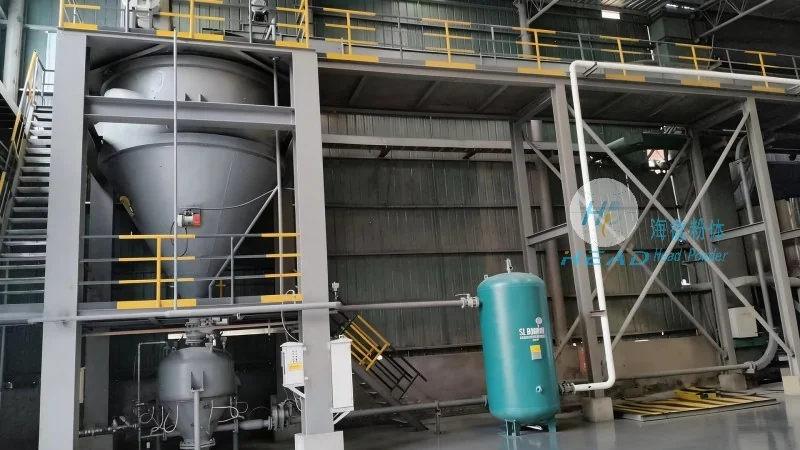
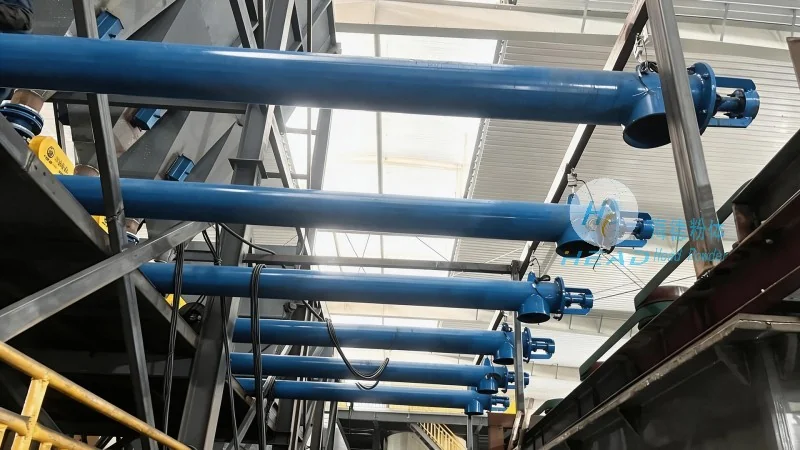
The effectiveness of a pneumatic conveying system for dust and particulate materials depends on several critical components. The primary elements include the material hopper or feeder, which controls the flow rate and prevents material bridging; the conveying line, which can be made of metal or flexible tubing depending on the application; the air compressor or vacuum pump, which provides the necessary pressure or vacuum; and the control valves and regulators that manage the air flow and pressure. Additionally, filters and dust collectors are essential to maintain air quality and comply with environmental regulations, especially when handling fine dust particles.
Material Handling Considerations
When designing a pneumatic conveying system for dust and particulate materials, several factors must be considered to ensure efficient operation. The particle size, density, and moisture content of the material significantly impact the system's performance. Coarser particles may require higher air velocities to prevent blockages, while fine powders might need specialized equipment to avoid segregation or agglomeration. The system's layout, including the number of bends, vertical lifts, and horizontal runs, also affects the air pressure requirements and overall energy consumption. Proper sizing of the conveying line diameter and the air flow rate is crucial to maintain a stable flow and prevent material deposition or erosion of the pipeline.
Advantages of Pneumatic Conveying Systems
Pneumatic conveying systems offer numerous benefits for handling dust and particulate materials. They provide a closed-loop system that minimizes dust emissions and environmental contamination, which is critical for compliance with industrial standards. The technology allows for the safe and efficient transport of hazardous or sensitive materials without the need for manual handling. Additionally, pneumatic conveying systems can integrate with other processing equipment, such as mixers, classifiers, and storage silos, creating a seamless material flow within a production facility. The flexibility of these systems enables easy modifications to accommodate changes in production volume or material types, making them a versatile solution for various industrial applications.
Applications in Industrial Settings
The applications of pneumatic conveying systems for dust and particulate materials span across multiple industries. In the pharmaceutical and food processing sectors, these systems are used to transport powders and granules while maintaining strict hygiene and contamination control. In the chemical industry, they handle various powders and bulk chemicals, ensuring safe and efficient material transfer. The mining and mineral processing industries also rely on pneumatic conveying for transporting ore and fine particles from processing plants to storage or further treatment facilities. Furthermore, in the construction and cement industries, pneumatic conveying systems are employed to transport raw materials like limestone and clinker, improving operational efficiency and reducing labor costs.
Maintenance and Operational Best Practices
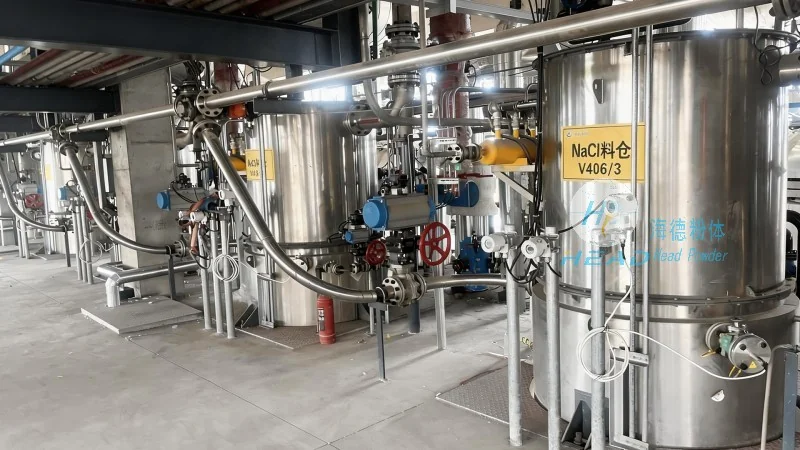
To ensure the long-term reliability and efficiency of a pneumatic conveying system for dust and particulate materials, regular maintenance and adherence to operational best practices are essential. Routine checks of the air compressor or vacuum pump, including oil levels and filter conditions, help prevent system failures. Cleaning the conveying line and filters regularly prevents material buildup and maintains air quality. Monitoring the pressure and flow rates during operation allows for early detection of issues such as blockages or air leaks. Proper training of operators on system operation and troubleshooting procedures ensures that any problems are addressed promptly, minimizing downtime and maintaining consistent performance.
Conclusion
HeadPowder Engineering Co., Ltd., based in Shandong, China, leverages its expertise in pneumatic conveying technology to provide customized solutions for the efficient handling of dust and particulate materials. By understanding the fundamental principles, key components, and operational considerations, industrial facilities can implement effective pneumatic conveying systems that enhance productivity, reduce costs, and ensure compliance with environmental and safety regulations. The versatility and reliability of these systems make them an indispensable part of modern material handling processes across various industries.