

Principle of Pneumatic Conveying System for Flowers
Headpowder, a leading engineering company based in Shandong, China, specializes in the design and implementation of advanced pneumatic conveying systems tailored for the flower industry. This article delves into the fundamental principles behind these systems, explaining how they efficiently transport delicate flower products while maintaining quality and integrity.
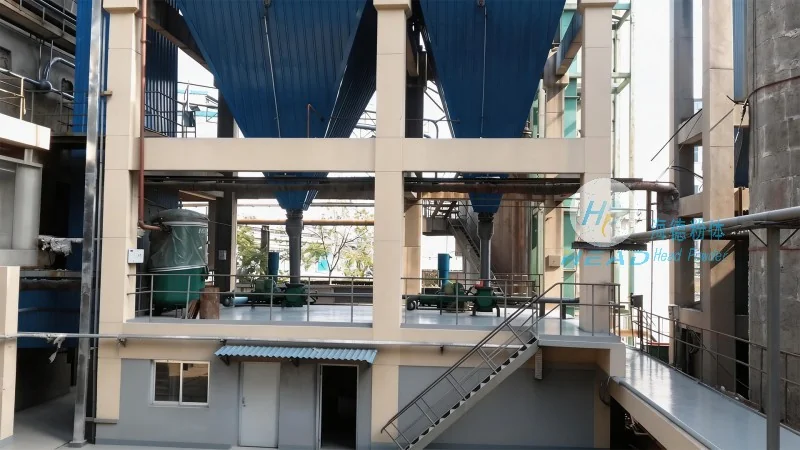
Understanding Pneumatic Conveying Technology
Pneumatic conveying systems utilize air or gas as the primary medium to transport bulk materials, including flowers and related products, through a network of pipes. The core principle involves creating a pressure differential that propels the material forward. There are two main types of pneumatic conveying: pressure and vacuum systems. Pressure systems operate by pushing material with compressed air from a positive pressure source, while vacuum systems draw material using a vacuum pump to create suction.
Key Components of the System
The effectiveness of a pneumatic conveying system for flowers depends on several critical components. These include the hopper or feeder, which feeds the material into the system; the conveying line, which transports the flowers; and the receiver or discharge unit, where the material is collected. Additionally, the system may incorporate features such as cyclones for separation, filters to maintain air quality, and control valves to regulate flow rates. Each component is designed to handle the delicate nature of flowers, minimizing damage during transport.
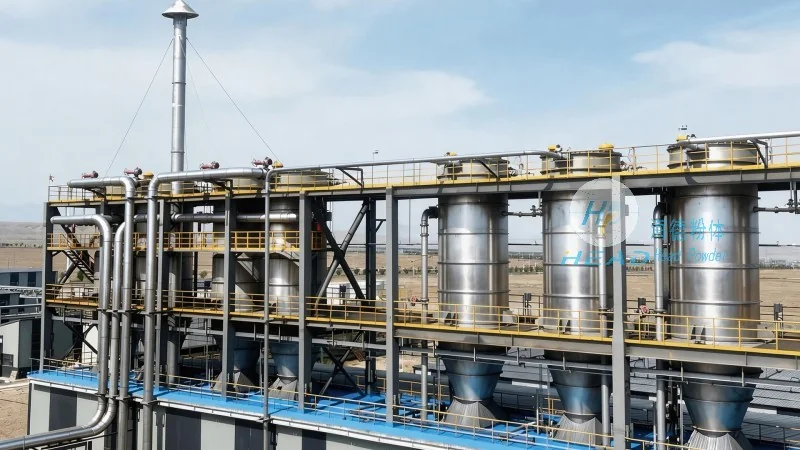
Advantages of Pneumatic Conveying for Flower Industry
Implementing a pneumatic conveying system offers numerous benefits for flower processing and distribution. First, it provides a clean and hygienic method of transport, as the system is enclosed, preventing contamination from external elements. Second, it reduces the risk of damage to delicate petals and stems, which is crucial for maintaining product quality. Third, the system is highly efficient, allowing for continuous operation and minimizing labor costs associated with manual handling. Furthermore, pneumatic conveying systems can be integrated with other processing equipment, creating a seamless workflow from harvesting to packaging.
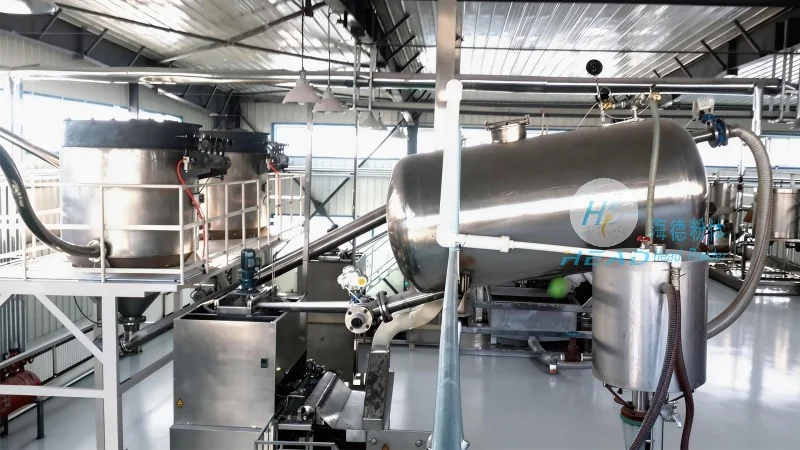
Application in Flower Processing Facilities
In a typical flower processing facility, the pneumatic conveying system may be used to transport cut flowers from the cutting area to the sorting and grading station. It can also move packaged flowers from the packaging line to storage or shipping areas. The system’s ability to handle various flower types, including roses, lilies, and chrysanthemums, makes it versatile for different production needs. By automating the transport process, the system enhances operational efficiency and reduces downtime, ensuring that flowers are processed and delivered on time.
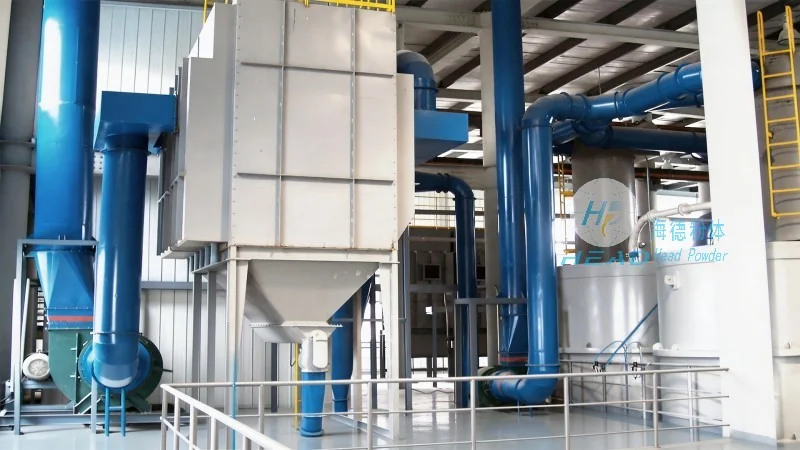
Customization and Scalability
Headpowder recognizes that each flower processing facility has unique requirements. Therefore, their pneumatic conveying systems are customizable to meet specific needs. The company offers solutions that can be scaled from small-scale operations to large industrial facilities. This flexibility allows clients to adapt the system as their business grows. Additionally, Headpowder provides comprehensive support, including installation, maintenance, and technical assistance, ensuring that the system operates at optimal performance levels.
Conclusion
The principle of pneumatic conveying systems for flowers is centered on efficient, gentle, and hygienic transport. By leveraging advanced engineering and design, these systems enhance the overall productivity and quality of flower processing operations. As a trusted provider, Shandong HeadPowder Engineering Co., Ltd. continues to innovate and deliver solutions that meet the evolving demands of the flower industry, ensuring that delicate blooms are handled with the care they deserve.