

What is a Stone and Coal Pneumatic Conveying Equipment? An Introduction to the Structure and Princip
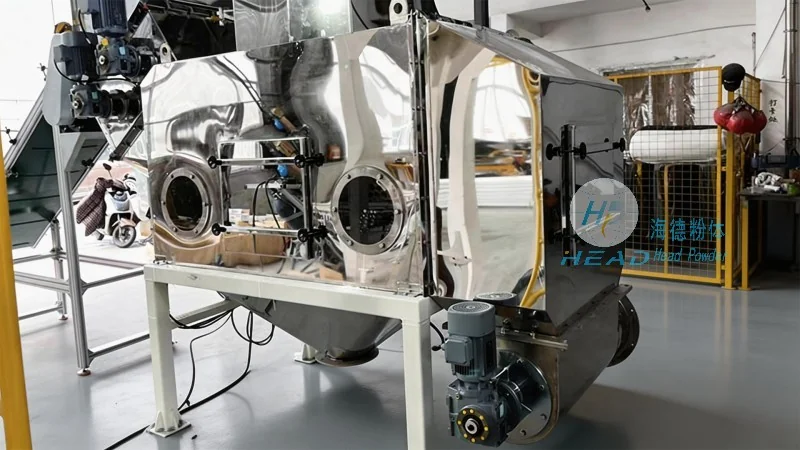
HeadPowder, a leading manufacturer based in Shandong, China, specializes in the design and production of advanced pneumatic conveying systems for various industrial applications. This article provides a detailed overview of the stone and coal pneumatic conveying equipment, focusing on its structural components and operational principles.
Understanding Pneumatic Conveying Systems
Pneumatic conveying equipment is a critical component in many industrial processes, particularly for transporting bulk materials like stone, coal, and other powders. The system operates by using air or gas to move material through a pipeline network. This method offers several advantages over traditional mechanical conveying, including reduced maintenance, lower energy consumption, and the ability to handle materials that are difficult to transport via conventional methods.
Key Structural Components of the Equipment
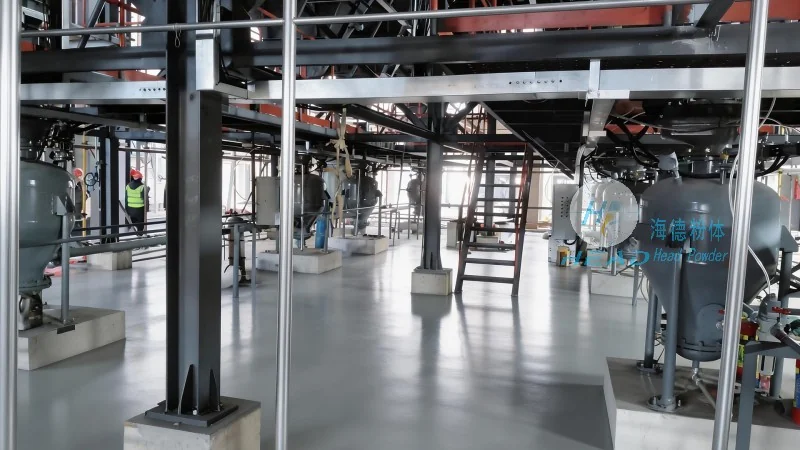
The stone and coal pneumatic conveying system consists of several key components that work in tandem to ensure efficient material transport. These components include the hopper, feeder, air compressor, conveying line, and receiver. Each part plays a crucial role in the overall operation of the system.
The Hopper and Feeder
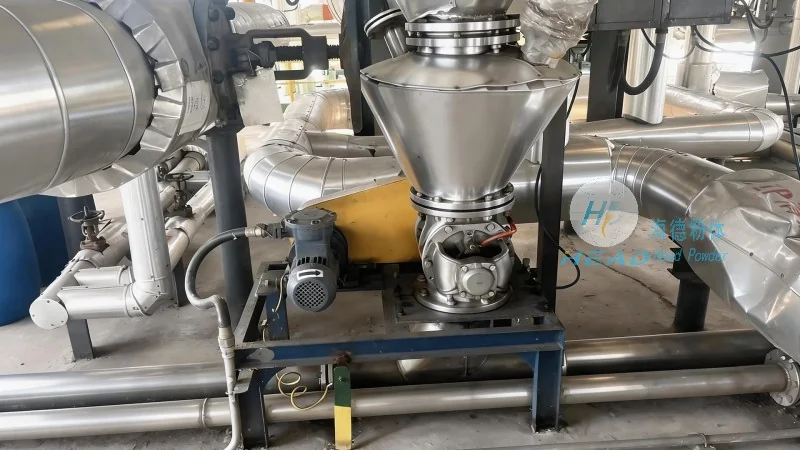
The hopper is the initial storage container where the bulk material is loaded. It is designed to hold a sufficient quantity of material to maintain a consistent flow into the system. The feeder, typically a rotary valve or a screw feeder, regulates the material discharge from the hopper into the conveying line. This component ensures a controlled and steady supply of material, preventing overloading or underloading of the system.
The Air Compressor and Air Treatment System
The air compressor is the heart of the pneumatic conveying system, responsible for generating the necessary air pressure to move the material. The compressor draws in ambient air and compresses it to the required pressure level. The air treatment system, which includes filters and dryers, ensures that the compressed air is clean and dry, preventing contamination of the conveyed material and extending the lifespan of the equipment.
The Conveying Line and Pipeline Design
The conveying line is the main pipeline through which the material and air travel. The design of the pipeline is critical to the system's efficiency. It typically consists of straight sections and bends, with appropriate fittings to maintain the flow of material. The pipeline is usually made of materials such as stainless steel or PVC, chosen for their durability and resistance to corrosion from the conveyed materials.
The Receiver and Discharge System
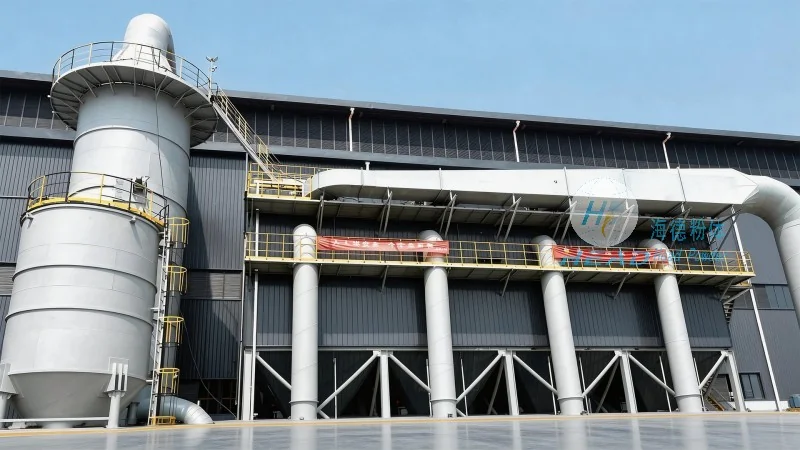
The receiver is the final storage container where the material is deposited after being conveyed. It is designed to handle the incoming material flow and prevent spillage. The discharge system, which may include a rotary valve or a gate valve, controls the release of material from the receiver to the next processing stage. This component ensures that the material is discharged in a controlled manner, avoiding blockages or spills.
Operational Principle of the Pneumatic Conveying System
The operational principle of the stone and coal pneumatic conveying system involves the following steps: First, the material is loaded into the hopper. The feeder then regulates the material flow into the conveying line. The air compressor generates compressed air, which is introduced into the conveying line. The air and material mixture travels through the pipeline, with the air providing the necessary force to move the material. The mixture is then separated in the receiver, where the material is deposited and the air is either vented or recycled back to the compressor.
Advantages of Using Pneumatic Conveying Equipment
HeadPowder's stone and coal pneumatic conveying equipment offers several advantages for industrial applications. These include the ability to transport materials over long distances, the flexibility to handle various material types, and the reduced risk of material contamination. The system also minimizes the need for manual handling, improving workplace safety and efficiency.
Applications in Industrial Settings
The stone and coal pneumatic conveying equipment is widely used in various industrial sectors, including mining, construction, and power generation. In mining operations, it is used to transport raw materials from the mine to processing facilities. In construction, it is used to move aggregates and other materials to construction sites. In power generation, it is used to transport coal to boilers for energy production.
Conclusion
HeadPowder's stone and coal pneumatic conveying equipment is a reliable and efficient solution for bulk material transport. By understanding the structural components and operational principles of the system, industrial users can make informed decisions about its application in their processes. The equipment's design and functionality ensure high performance and durability, making it a valuable asset for any industrial operation.