For industrial applications involving the transport of dry stone powders, understanding the technology behind pneumatic conveying systems is crucial. This article provides an overview of dry stone powder pneumatic conveying equipment, detailing its structure and operational principles, while highlighting the expertise of Shandong HeadPowder Engineering Co., Ltd. from China.
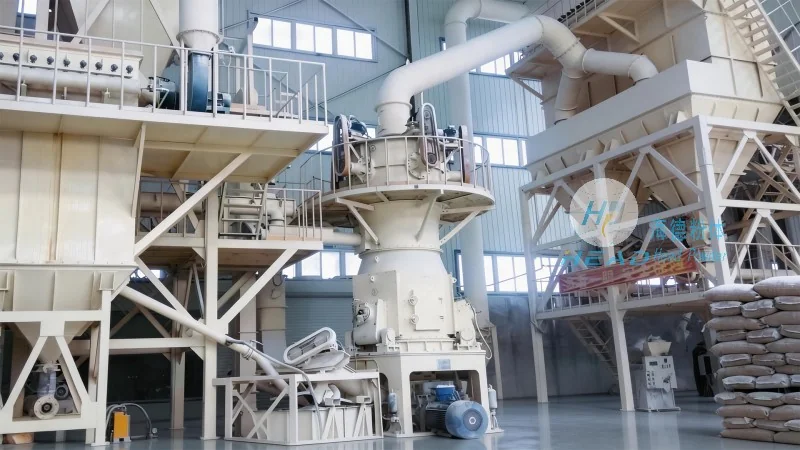
Understanding Dry Stone Powder Pneumatic Conveying Systems
Pneumatic conveying equipment is designed to move dry powders like stone powders through a pipeline using air or gas as the conveying medium. Unlike mechanical systems that rely on belts or screws, pneumatic conveyors use pressure differentials to transport material efficiently. This method is particularly suitable for dry stone powders due to its ability to handle fine particles and minimize product degradation.
Key Components of Dry Stone Powder Pneumatic Conveying Equipment
The core components of a dry stone powder pneumatic conveying system include the hopper, feeder, conveying line, and receiver. The hopper stores the dry stone powder and ensures a consistent feed. The feeder regulates the flow of powder into the conveying line, often using a rotary valve or screw feeder to maintain a steady rate. The conveying line, typically made of stainless steel or other corrosion-resistant materials, transports the powder through the system. The receiver collects the conveyed powder and may include a dust collection system to ensure environmental compliance.
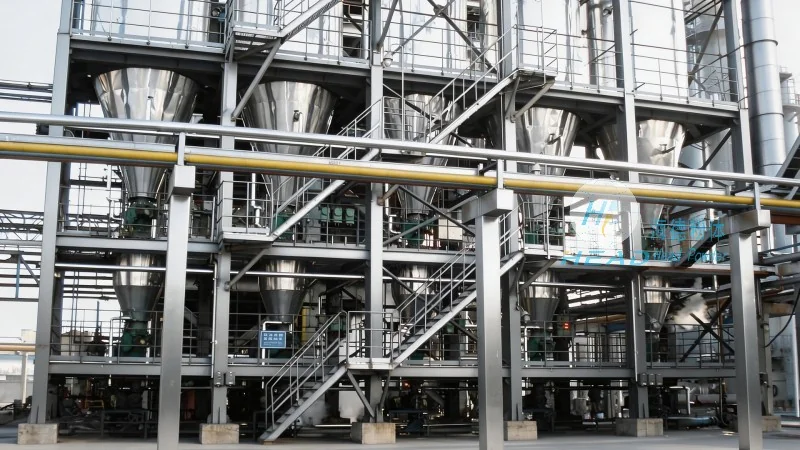
Operational Principle of Pneumatic Conveying for Dry Stone Powders
The operation of a dry stone powder pneumatic conveying system involves creating a pressure difference between the hopper and the receiver. Air is introduced into the system, either by a blower or a positive displacement pump, to generate the necessary airflow. As the air flows through the conveying line, it entrains the dry stone powder particles, forming a slurry that moves through the pipeline. The velocity of the air and the size of the particles determine the efficiency of the conveying process. Proper design ensures that the air velocity is sufficient to keep the particles suspended without causing excessive wear on the equipment.
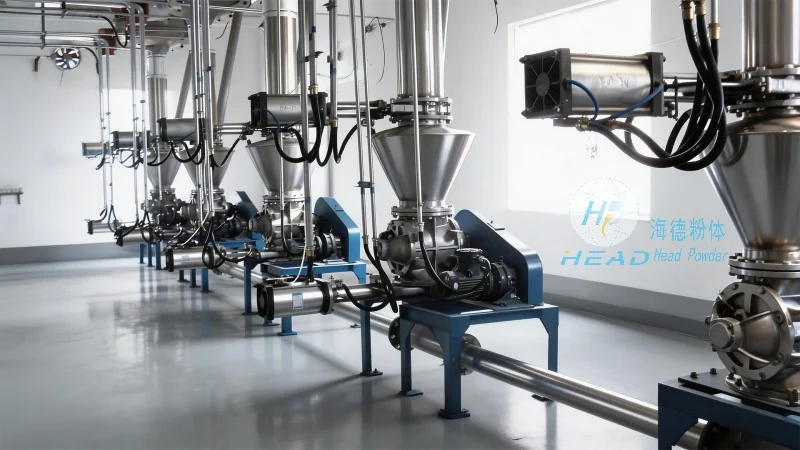
Advantages of Using Pneumatic Conveying for Dry Stone Powders
Compared to traditional mechanical conveying methods, pneumatic conveying offers several advantages for dry stone powders. It reduces product contamination and degradation, as the material is not in direct contact with mechanical parts. The system also allows for flexible layout designs, as the conveying line can be routed around obstacles. Additionally, pneumatic conveyors can handle a wide range of particle sizes and moisture contents, making them versatile for various industrial applications. The ability to transport materials over long distances without the need for multiple transfer points further enhances operational efficiency.
Shandong HeadPowder Engineering Co., Ltd.: Expertise in Dry Stone Powder Conveying Solutions
Shandong HeadPowder Engineering Co., Ltd., based in China, specializes in the design, manufacturing, and installation of pneumatic conveying systems for dry stone powders. With years of experience in the industry, the company has developed advanced solutions tailored to the unique challenges of handling stone powders. Their expertise includes customizing equipment to meet specific process requirements, ensuring optimal performance and reliability. The company’s commitment to quality and innovation has made it a trusted partner for businesses seeking efficient and effective dry stone powder handling solutions.




